Critical Contributions to Critical Challenges

Strategic Technology Solutions
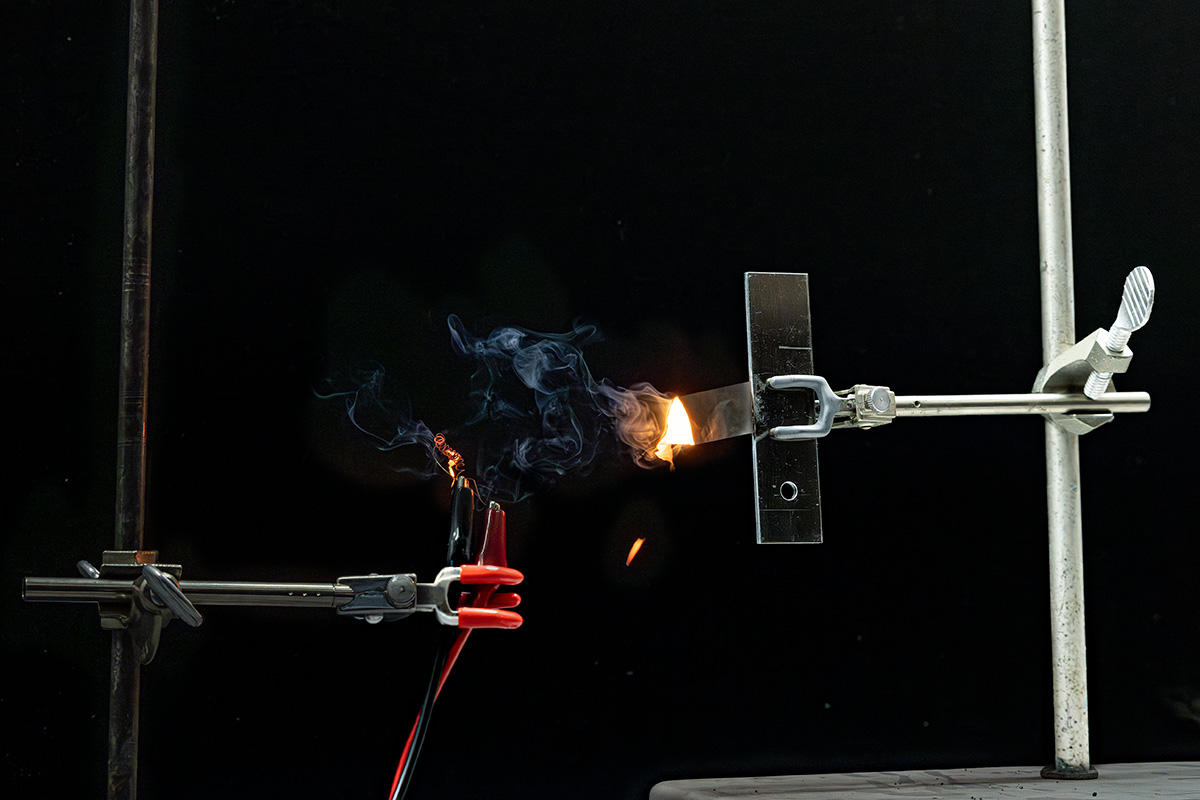
Johns Hopkins APL leverages world-class talent and facilities to conceive and mature critical innovations across multi-domain missions spanning deep sea to space. Learn more about our capabilities in scaled hypersonics, contested logistics technologies, applied artificial intelligence, quantum and battlefield information dominance, biomanufacturing, and scaled directed energy.
Modeling Warfighter Decision-Making
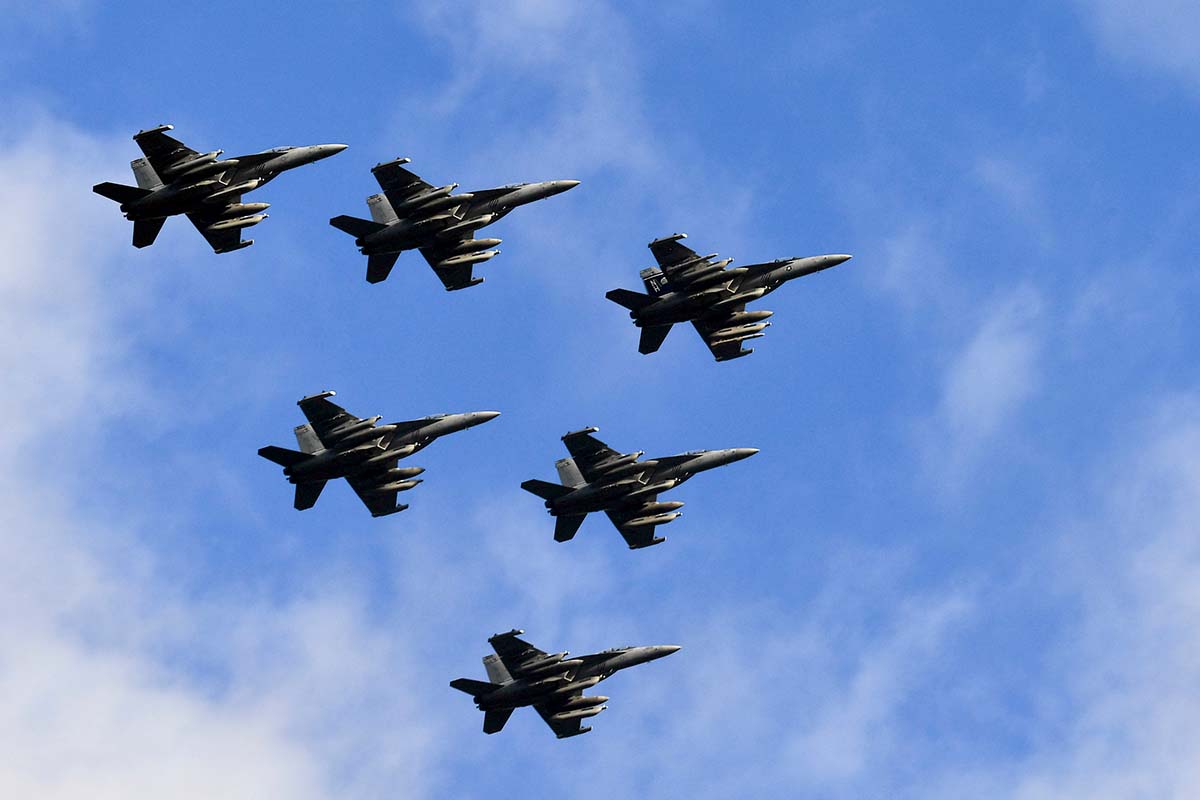
Working with technical consultants and the Navy fighter aircraft community, we created a pilot-behavior model for air-to-air combat.
Precision Targeting
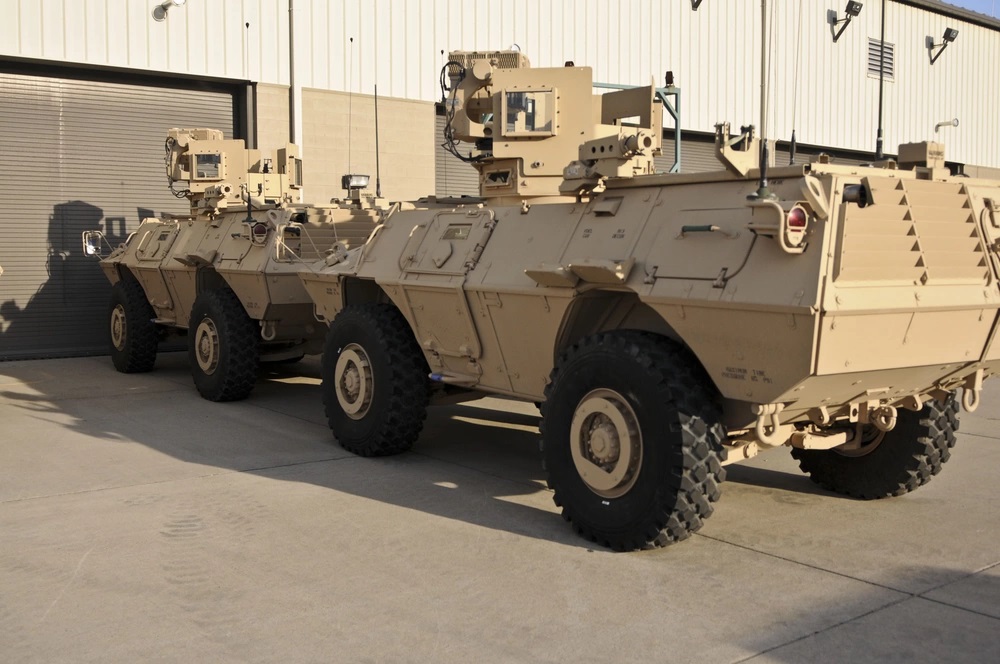
Working to ensure that ground forces can rapidly and accurately provide GPS locations of battlefield targets, APL performed design analyses and developed procedures that resulted in the successful testing of the Joint Effects Targeting System (JETS) and improvements to the system’s precision geolocation capability.
Next Generation Jammer
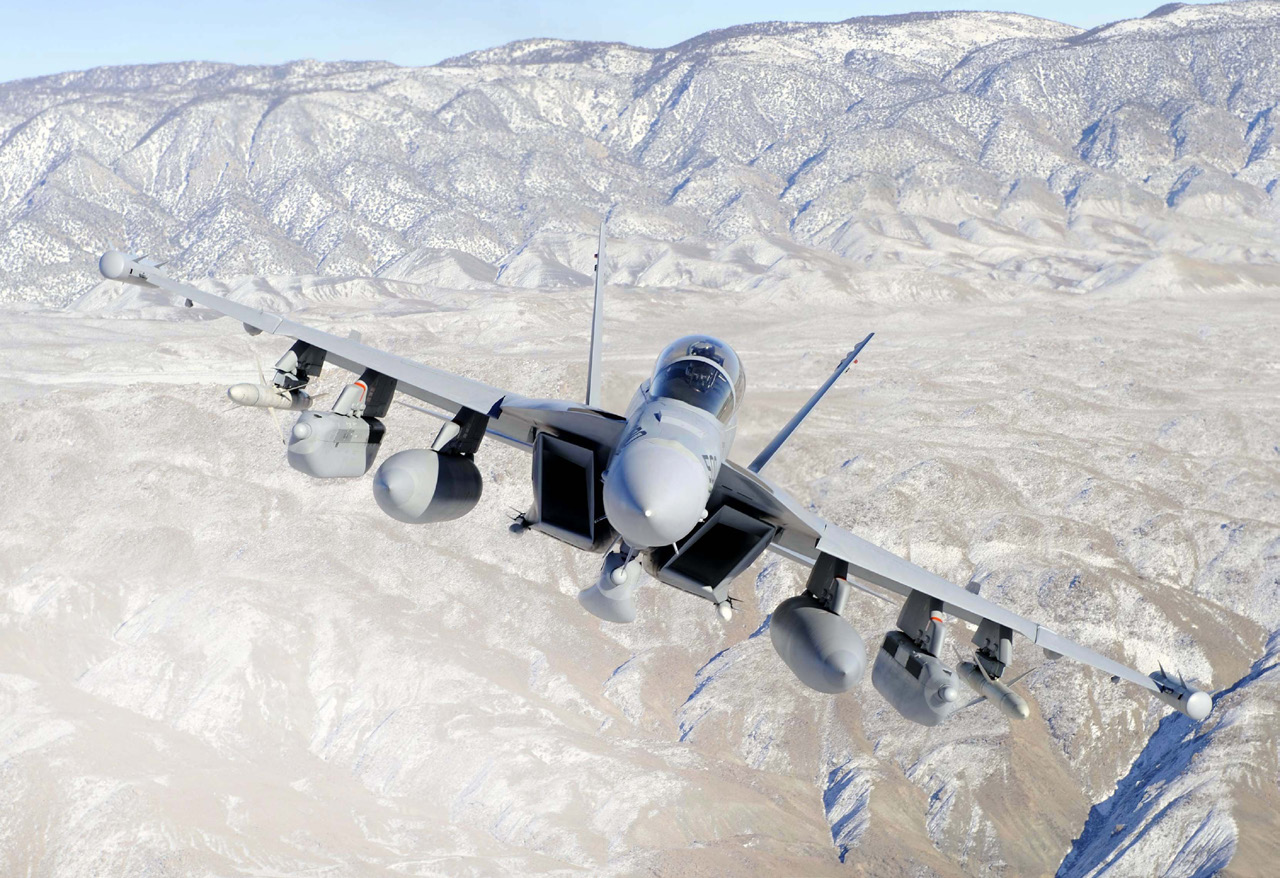
APL has been part of the NGJ team since initial concept development in 2001—playing a key role in the evolution of this initiative to equip warfighters of all services with state-of-the-art technology to address emerging electronic warfare gaps.
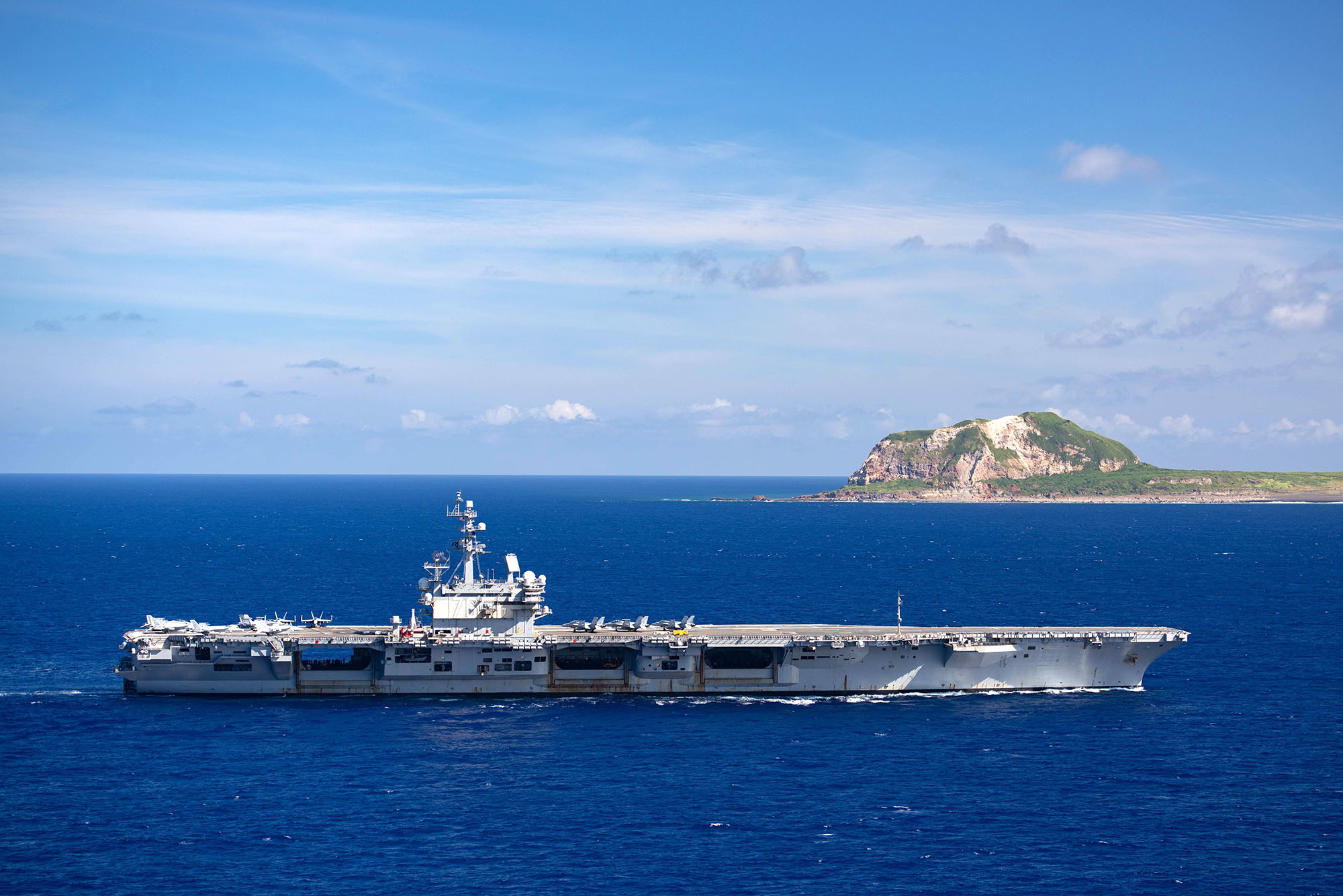
Deployed with the Fleet
In 2017, APL staff members deployed on U.S. Navy Commander, Task Force 70 (CTF-70) patrols aboard the carrier USS Ronald Reagan—an assignment that allowed our engineers to experience the fleet’s challenges and operational workflows, and gather important data to feed future analyses and technology demonstrations in operationally relevant environments.
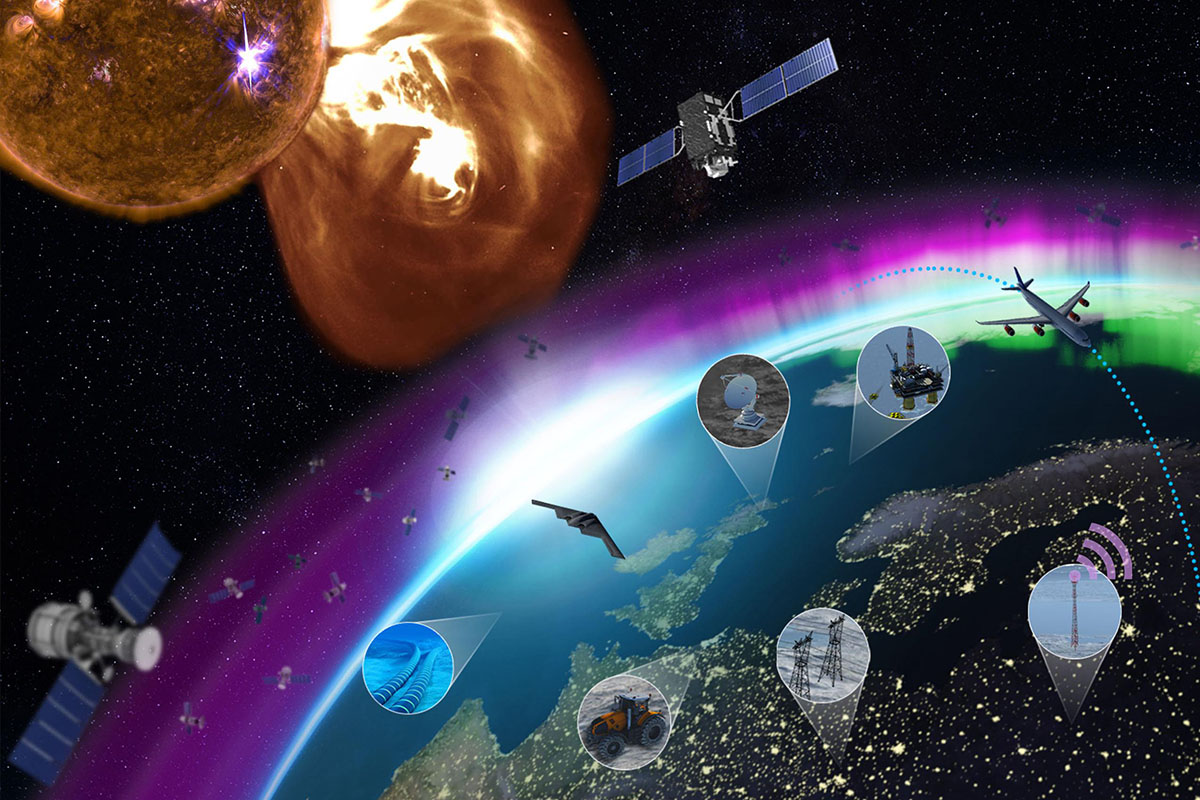
Space Weather Sensors
APL is developing a small, highly capable charged-particle sensor to deliver data that can help Air Force operators assess whether space weather conditions play a role in spacecraft anomalies.

Ensuring Resilient Enabling Capabilities in Denied Environments
Merging technical capabilities with acquisition strategy to mitigate adversary threats to C4ISR in the maritime, terrestrial, air, space, and cyber domains
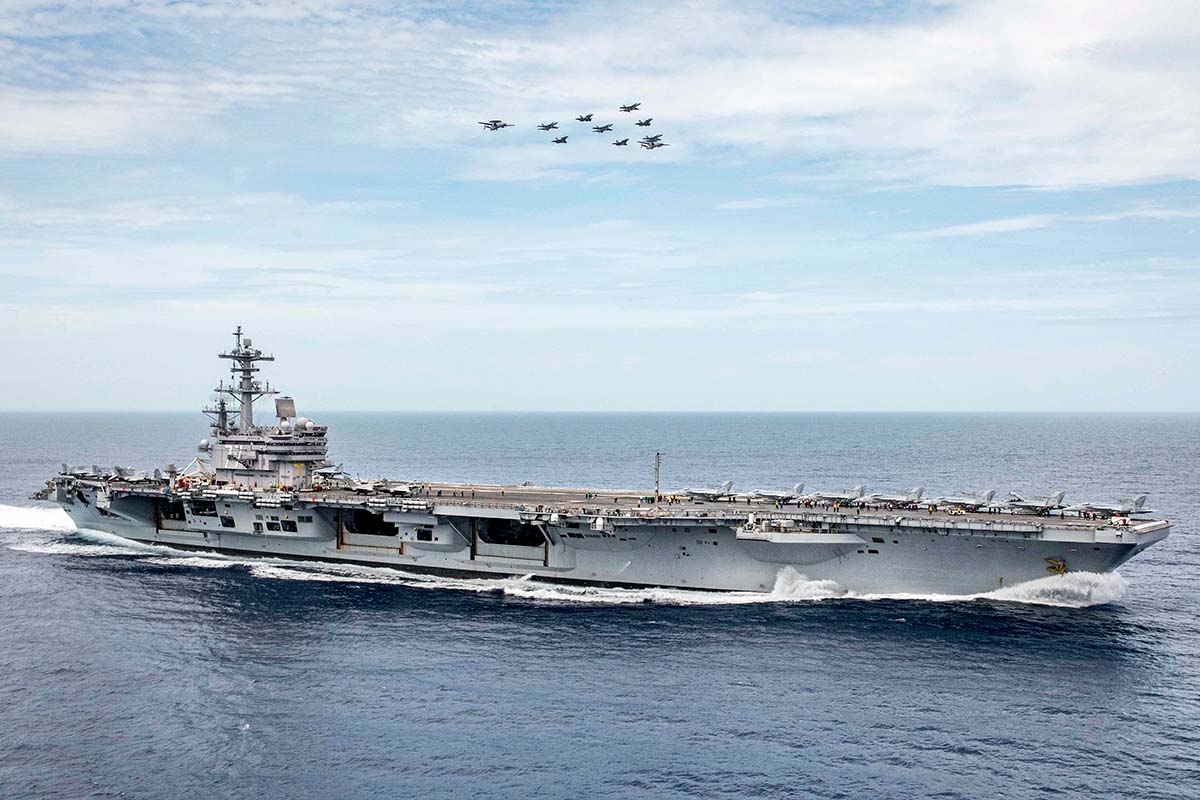
Shaping the Joint Future Operating Environment
On behalf of the chairman of the Joint Chiefs of Staff, APL led development of the Joint Future Operating Environment, which lays the foundation for force development across the services.
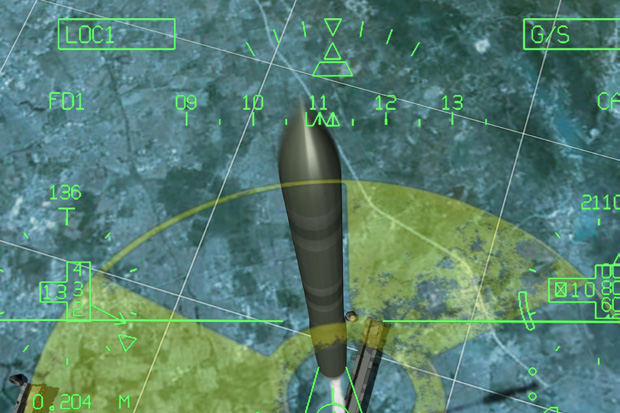
Countering Anti-Access, Area-Denial Threats
APL is an established, critical partner of the Office of the Secretary of War Strategic Capabilities Office, which provides lower-cost, strategic alternatives for shaping and countering emerging threats.
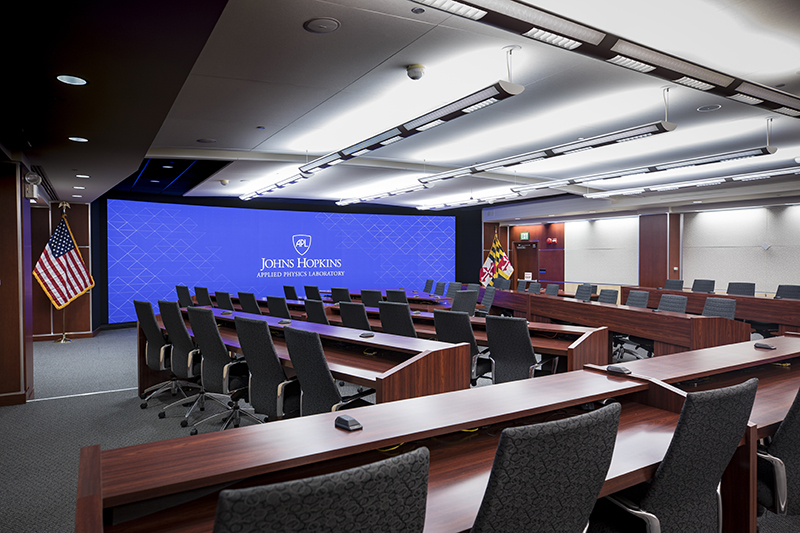
Engaging Senior Decision-Makers
APL partnered with the undersecretary of defense for acquisition, technology and logistics to design and execute a space wargame based on a rigorous analytical framework.

Durable and Portable Therapeutics Production
APL experts have made significant strides in developing methods for portable production of vaccines and other therapeutics, enabling production on demand in remote locations and during emergency outbreaks.
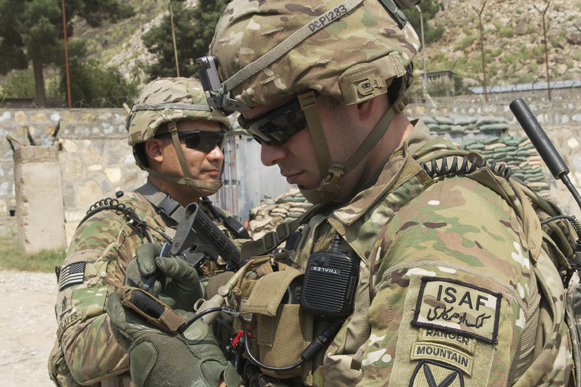
Army Environmental Health Research
APL and the U.S. Army Center for Environmental Health Research are developing capabilities to detect, assess, and prevent effects from exposure to toxic materials—focusing especially on ways to prevent acute and chronic health effects through new biological technologies.

The Systems Approach to Saving Lives
APL’s thought leaders are stirring discussions on the importance of taking a systems approach to health care.