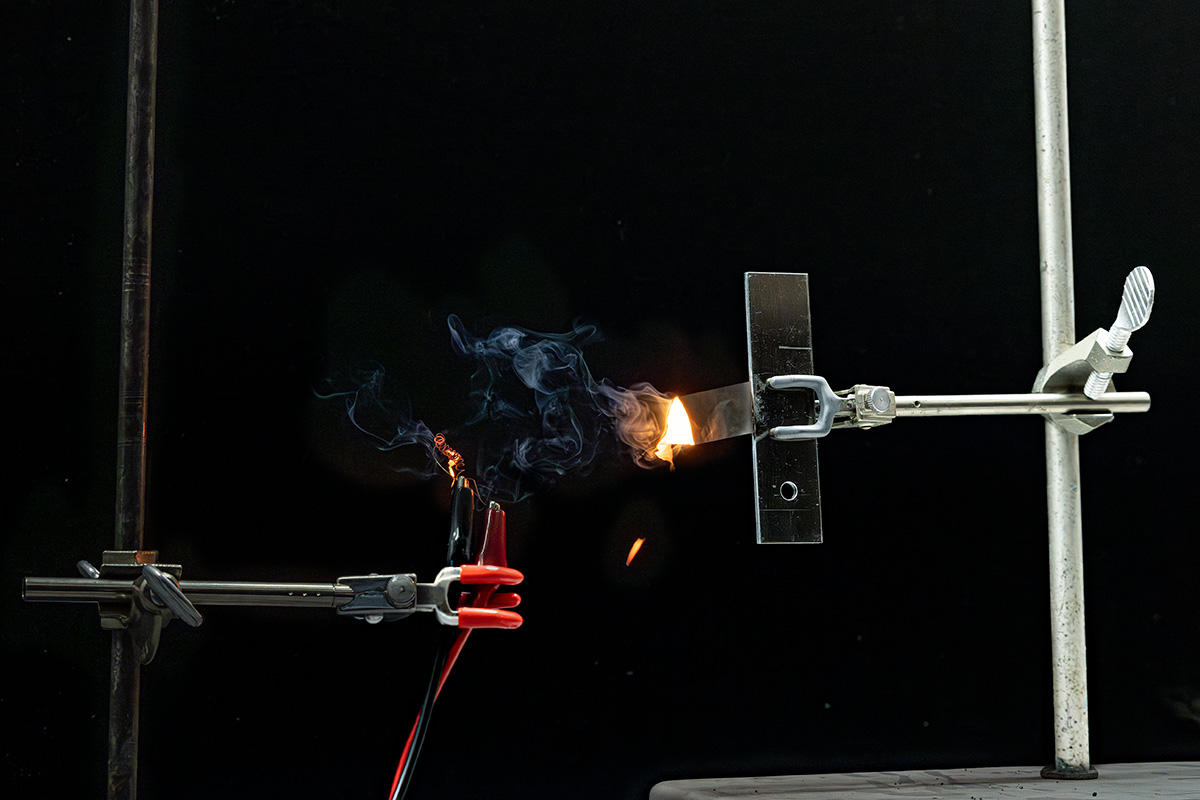
Critical Contributions to Critical Challenges

Strategic Technology Solutions
Johns Hopkins APL leverages world-class talent and facilities to conceive and mature critical innovations across multi-domain missions spanning deep sea to space. Learn more about our capabilities in scaled hypersonics, contested logistics technologies, applied artificial intelligence, quantum and battlefield information dominance, biomanufacturing, and scaled directed energy.
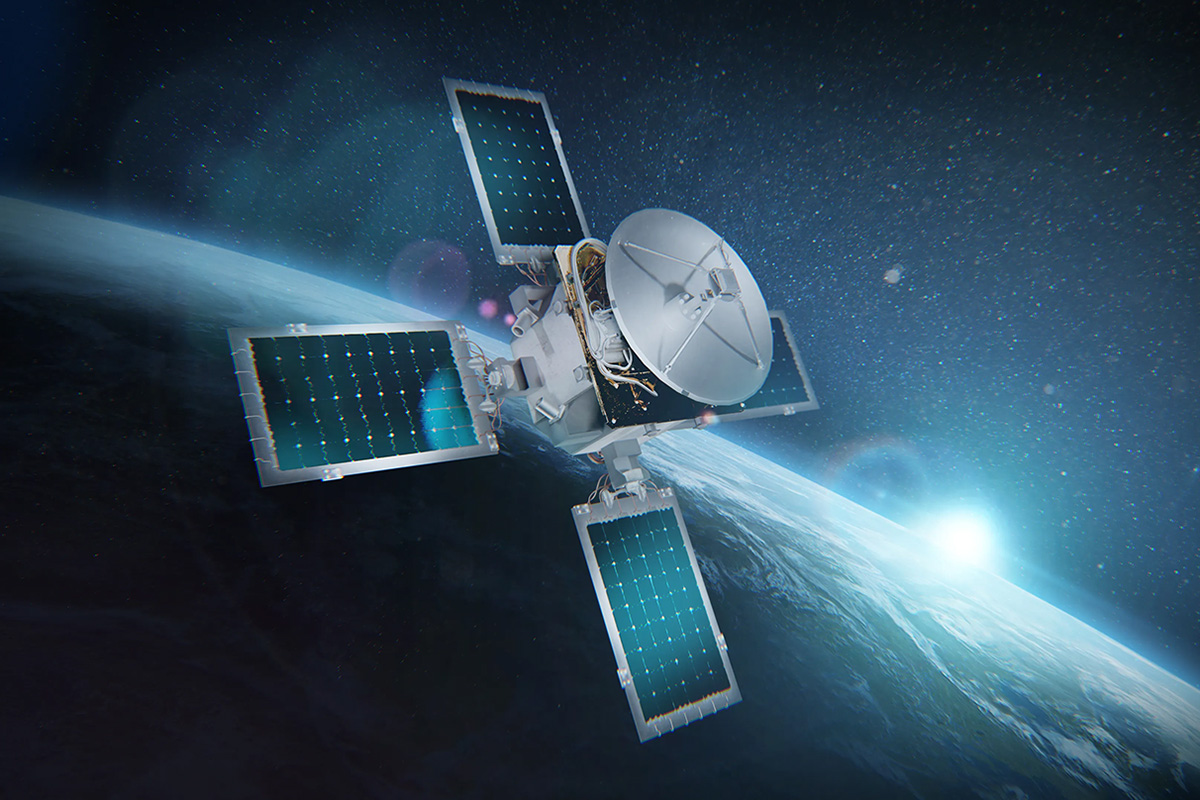
PExT
PExT is a first-of-its-kind wideband multilingual terminal allowing satellites to communicate across the broad range of networks and frequencies used by both commercial and government providers.

BAS/CS™: Behavioral Alerting Sets for Control Systems
APL developed an advanced cybersecurity solution to detect real threats while reducing false alarms.

ACAS X: Airborne Collision Avoidance for the 21st Century
APL researchers played a leading role in the development of ACAS X—a collision avoidance system onboard all international commercial aircraft that will replace existing systems as they are retired.
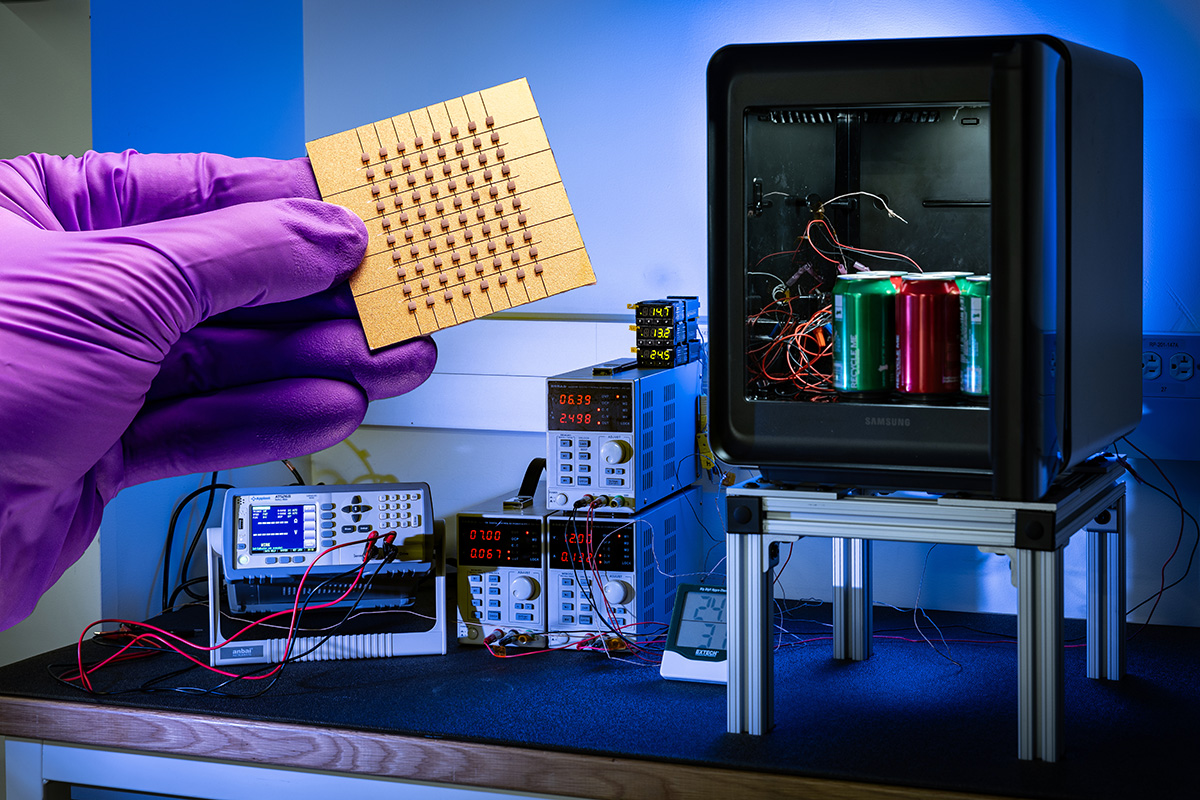
Advanced Thermoelectric Materials for Next-Gen Refrigeration
Researchers at APL have developed nano-engineered thin-film thermoelectric devices that are two times as efficient as currently used bulk devices in refrigeration. This advancement paves the way for compact, scalable, and compressor-free cooling.
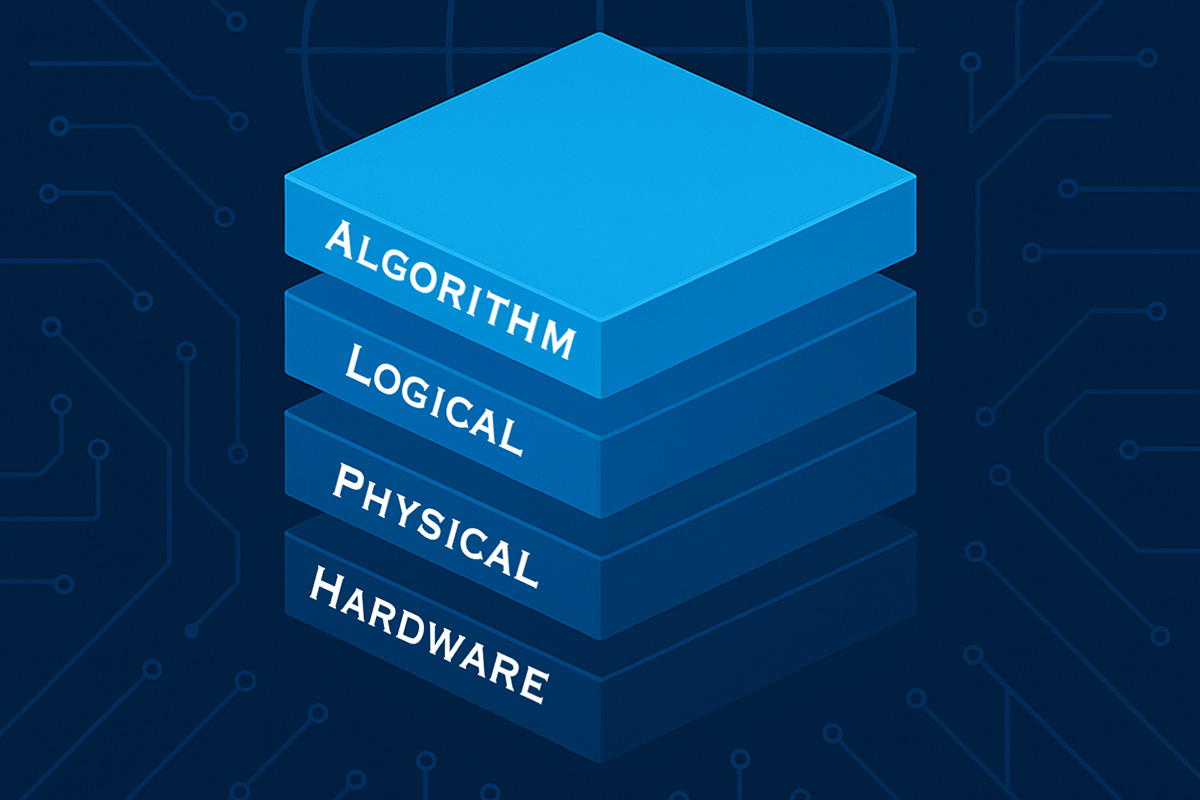
SMART Stack: Enabling Error-Resilient Quantum Computing
Understanding and mitigating quantum noise and errors across the full stack of hardware and software

Mission-Focused Generative AI
Inventing the future of artificial intelligence for the nation by advancing frontier models that enable creativity, subject-matter expertise, and personification
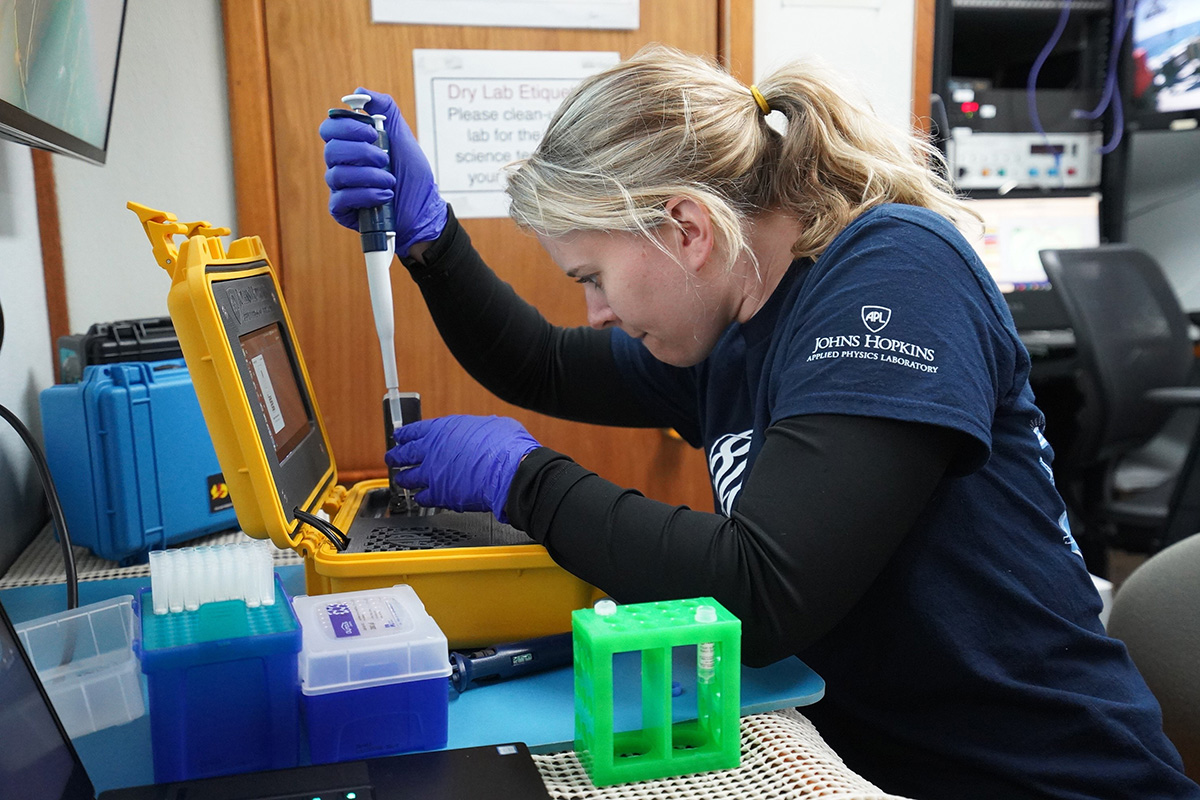
Enlisting eDNA to Understand Ecosystems
APL researchers are using genetic information to observe animals, plants, and microbes in their natural environments, and pioneering environmental DNA (eDNA) analysis methods to study marine ecosystems that the world relies on as the foundation of global food webs.
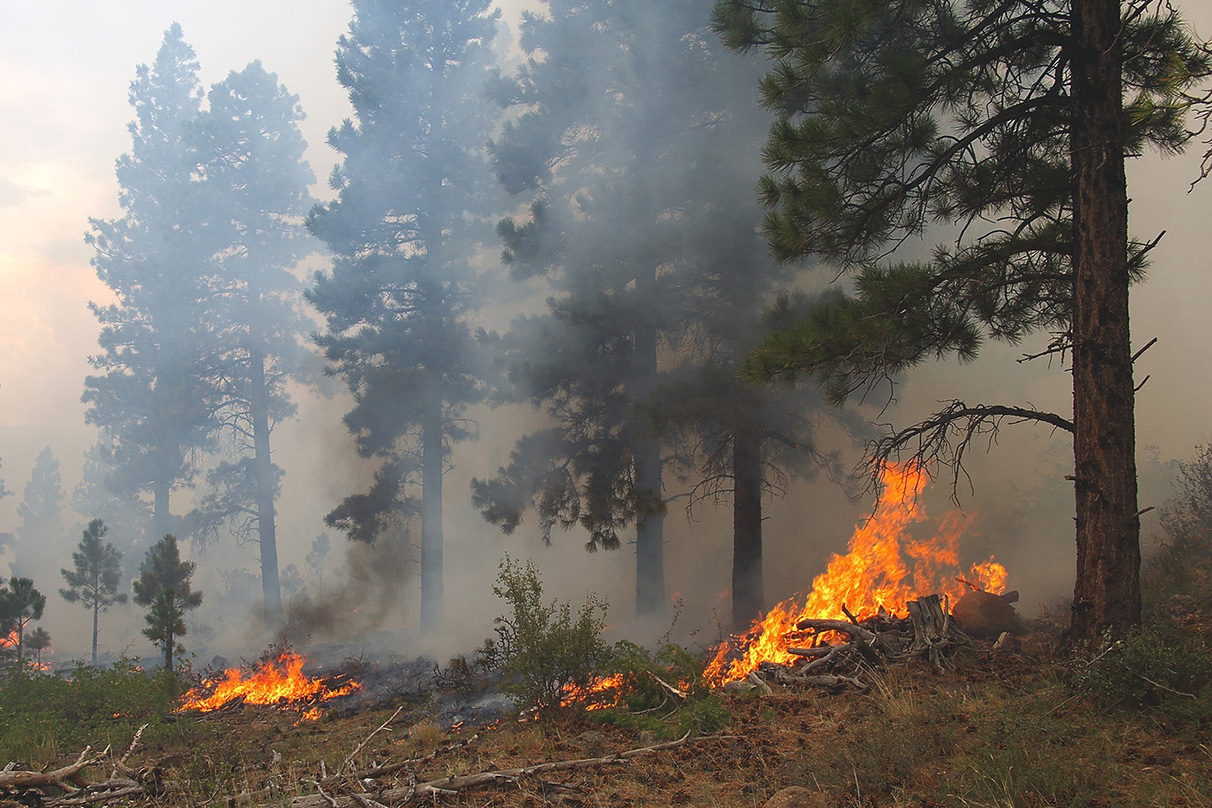
Accelerating Air Quality Forecasts
Severe wildfires have released millions of smoke-borne contaminants into the air, setting off air quality alerts across the country. APL is using artificial intelligence to accelerate air quality forecasts and ultimately deliver a better understanding of how and where these pollutants will travel.
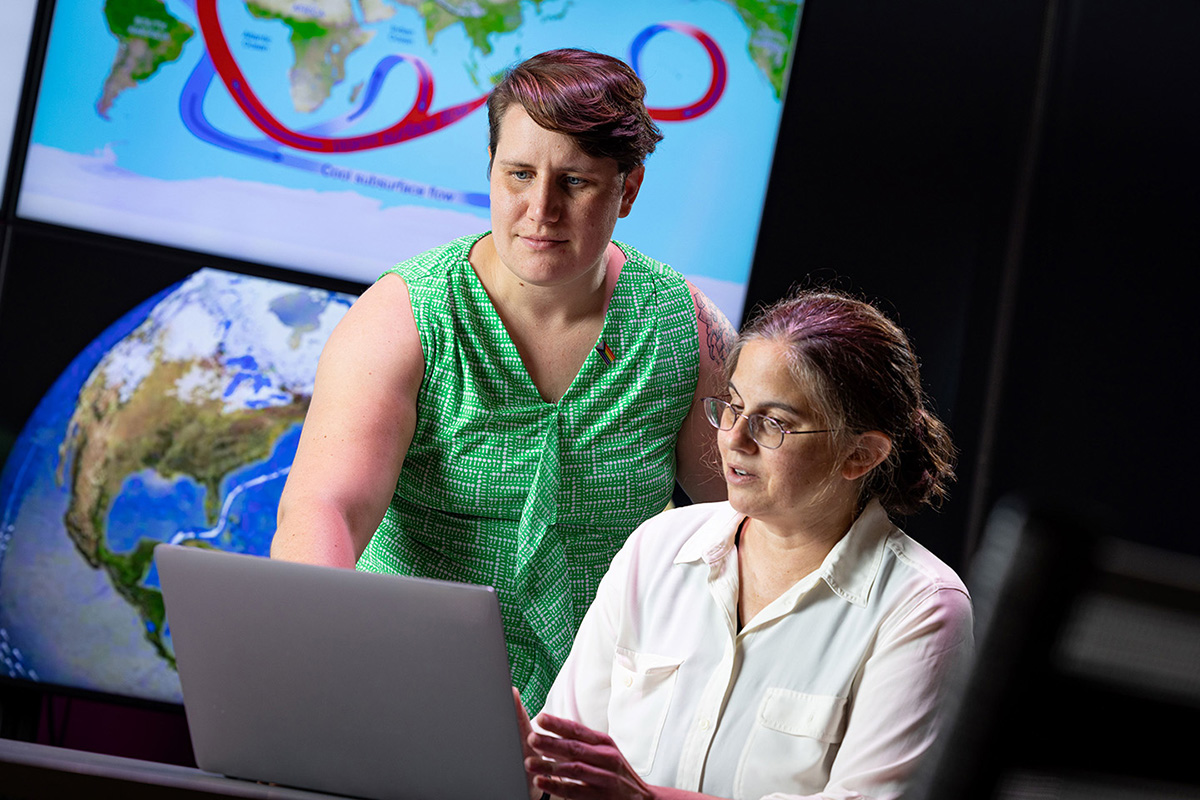
AI for Tipping Point Discovery
Artificial intelligence experts and oceanographers are integrating AI with traditional Earth systems modeling methods to enable scientific researchers to better understand tipping points, critical thresholds that, once crossed, could “tip” a natural Earth system into an entirely different state.

Reversing the Loss of Coral Reefs
Recognizing the need to safeguard America’s coastlines and the value natural structures play in their protection, APL researchers are finding ways to use materials science to support coral reef growth and restoration.
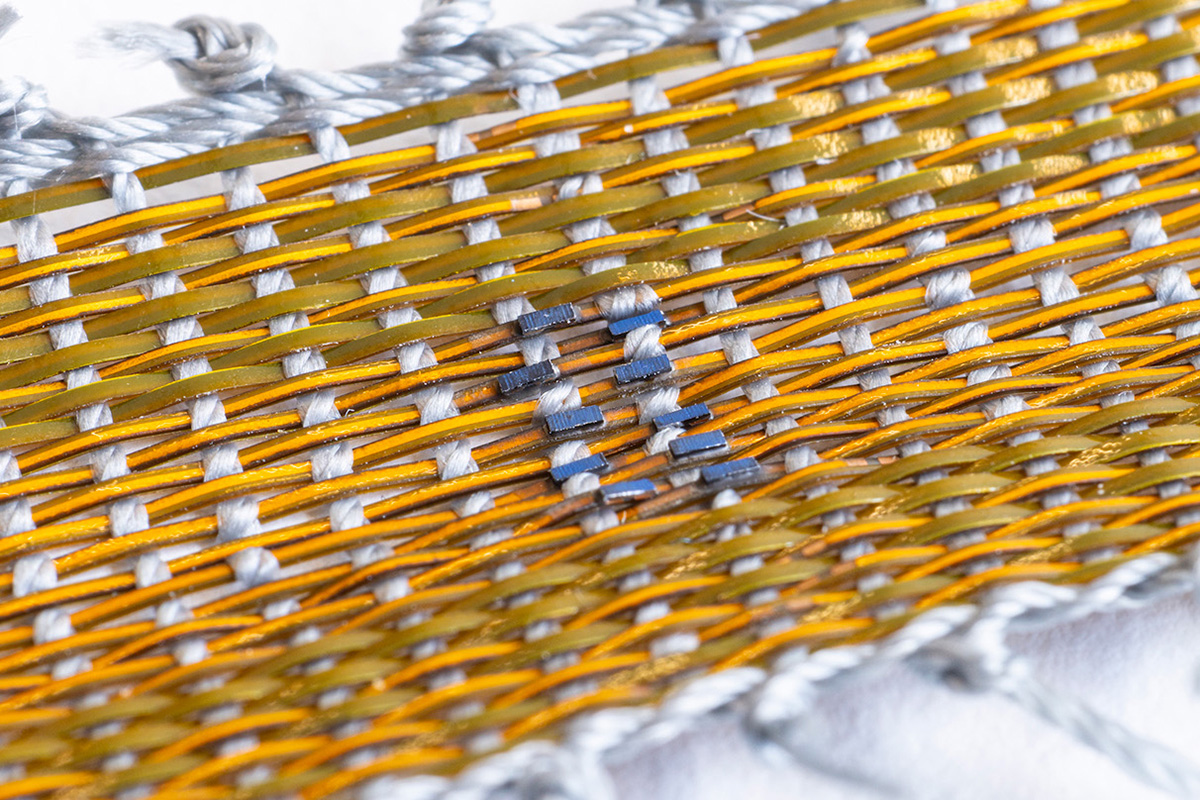
Developing Battery- and Solar-Powered Fibers
APL researchers have established new, scalable methods of developing battery- and solar-powered fibers, making it theoretically possible for electrical energy to be harvested from, and stored in, the clothing people wear.
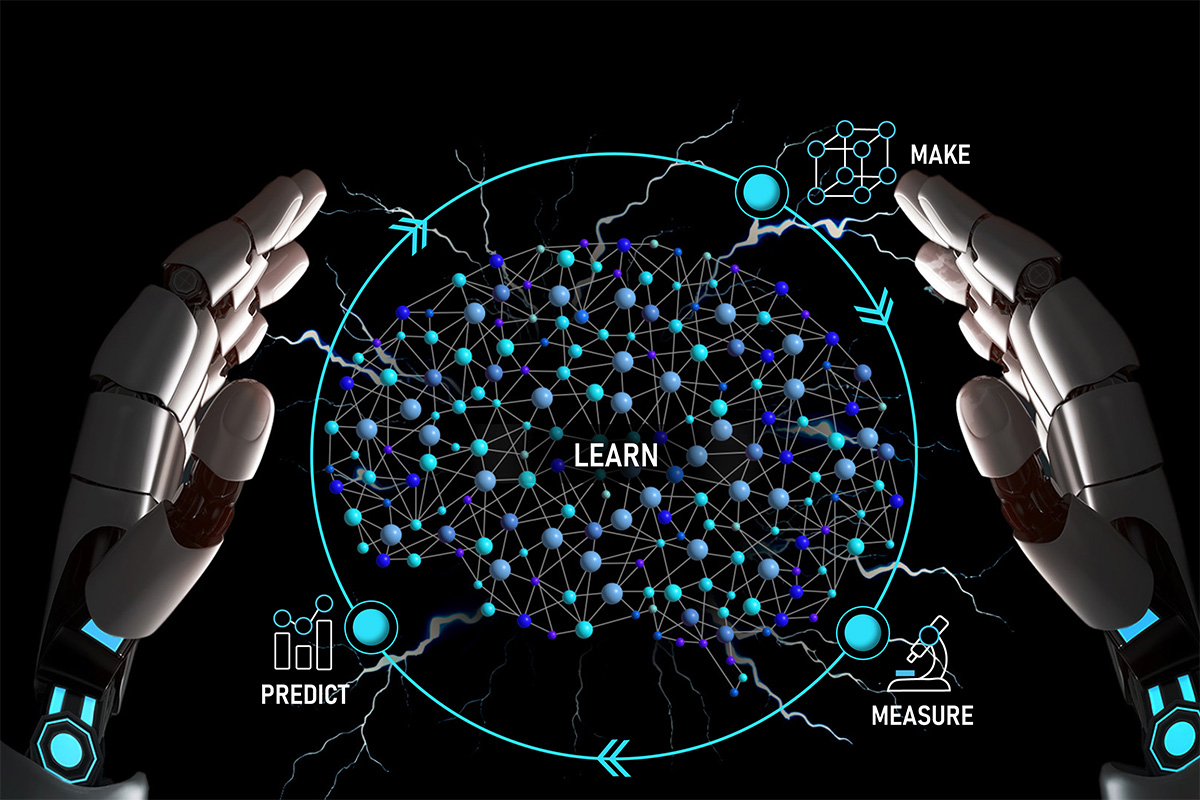
Revolutionizing Materials Discovery for National Security
APL is reimagining and accelerating the targeted discovery of materials tailored to withstand and perform in the most demanding conditions, ensuring enhanced capabilities in extreme environments.