Highlights
Additive Manufacturing at Sea →
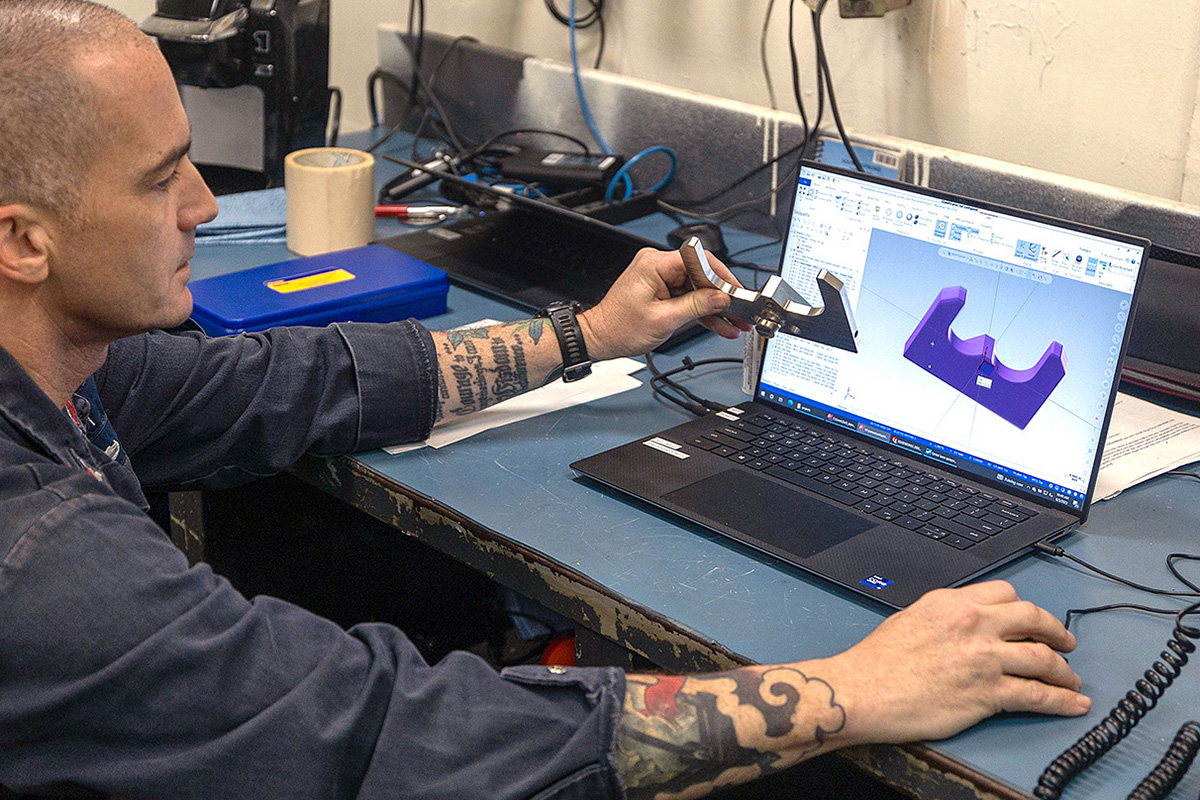
Sailors aboard the USS Bataan turned the additive manufacturing at sea concept into reality after successfully fabricating and installing a stainless steel sprayer plate to repair the USS Bataan’s ballasting system. The machinists used a hybrid manufacturing system that was developed and installed on the ship with support from APL and Naval Sea Systems Command, allowing the ship to avoid costly repairs and resume operations.

BAS/CS™ →
Cyberattacks on industrial control systems—which power essential services like electricity, water, and transportation—are on the rise. In recent years, cyber threats targeting infrastructure have increased significantly. APL developed an advanced cybersecurity solution to detect real threats while reducing false alarms.
DART →
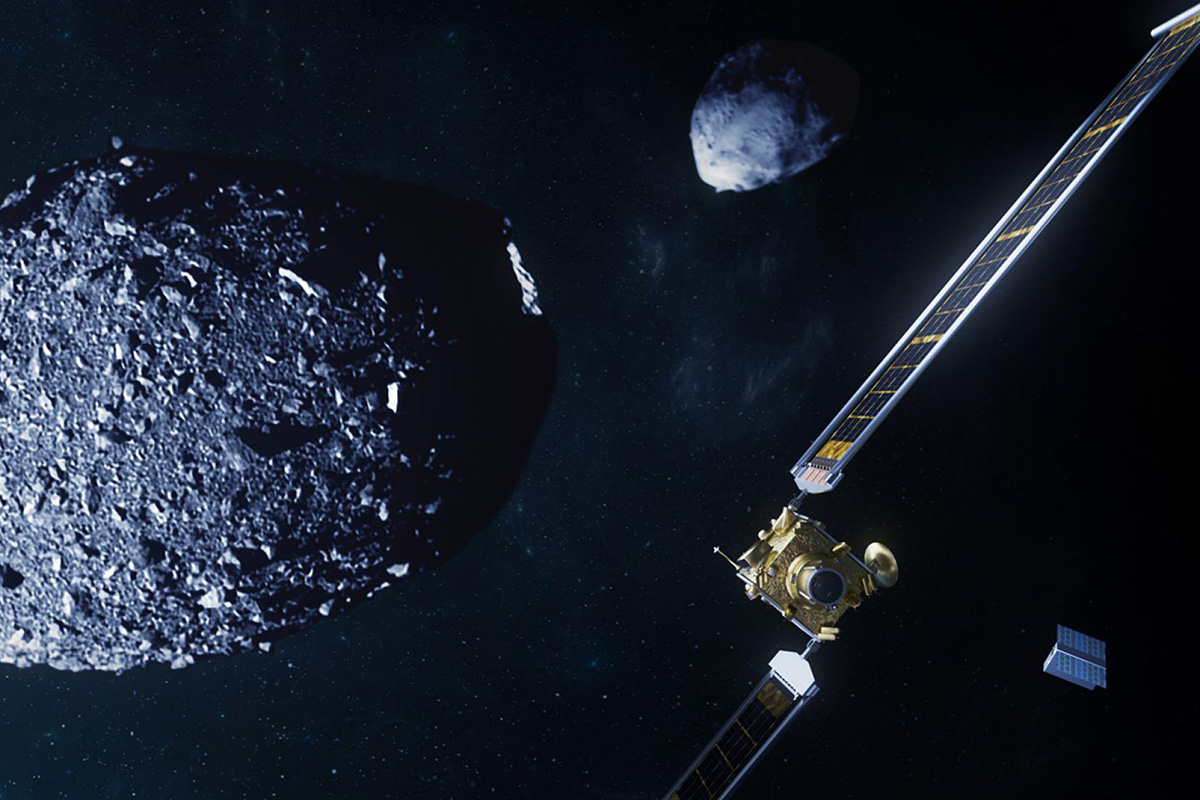
APL envisioned, built, and successfully demonstrated NASA’s Double Asteroid Redirection Test (DART), the world’s first planetary defense technology demonstration, which proved the capability of a kinetic impactor to deflect an asteroid. This revolutionary low-cost spacecraft used APL-developed and modified air and missile defense algorithms to autonomously target and intercept an asteroid almost 7 million miles from Earth, changing its orbit period by 32 minutes, and providing humanity with a proven solution for planetary defense.
Tomahawk
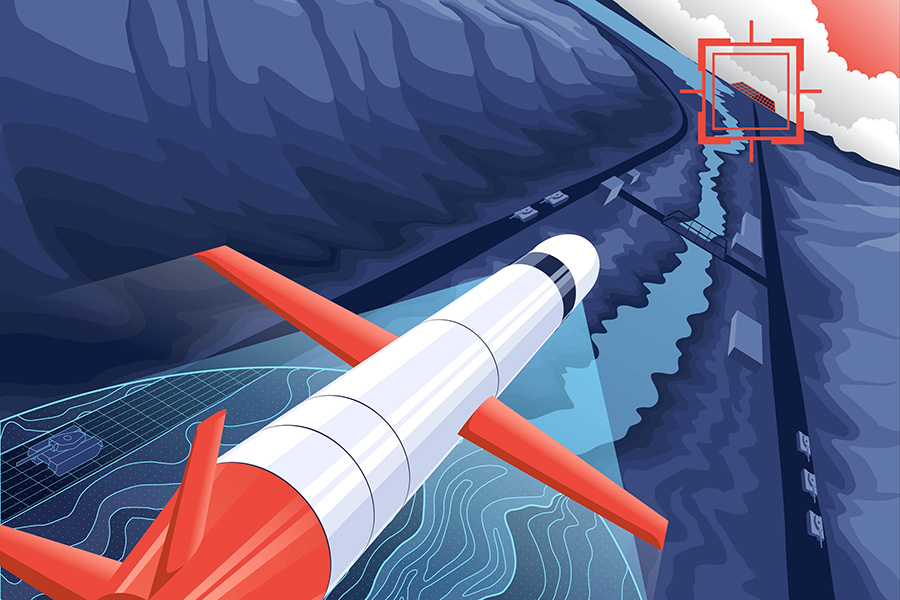
The Navy came to APL to ensure that the then-new Tomahawk long-range cruise missile could navigate itself through heavily defended environments and strike specific targets, and APL engineers applied terrain contour matching (TERCOM) technology to enable this capability. When even greater accuracy was needed, APL developed the performance prediction algorithms needed to apply digital scene matching area correlator (DSMAC) technology. Tomahawk—enabled by TERCOM and DSMAC—became the world’s first long-range, autonomous, precision-guided weapon, and remains one of the most accurate and effective strike weapons in the U.S. arsenal. In an era of GPS-denied environments, the un-jammable TERCOM and DSMAC systems remain operational on Tomahawk for use when GPS is not available.
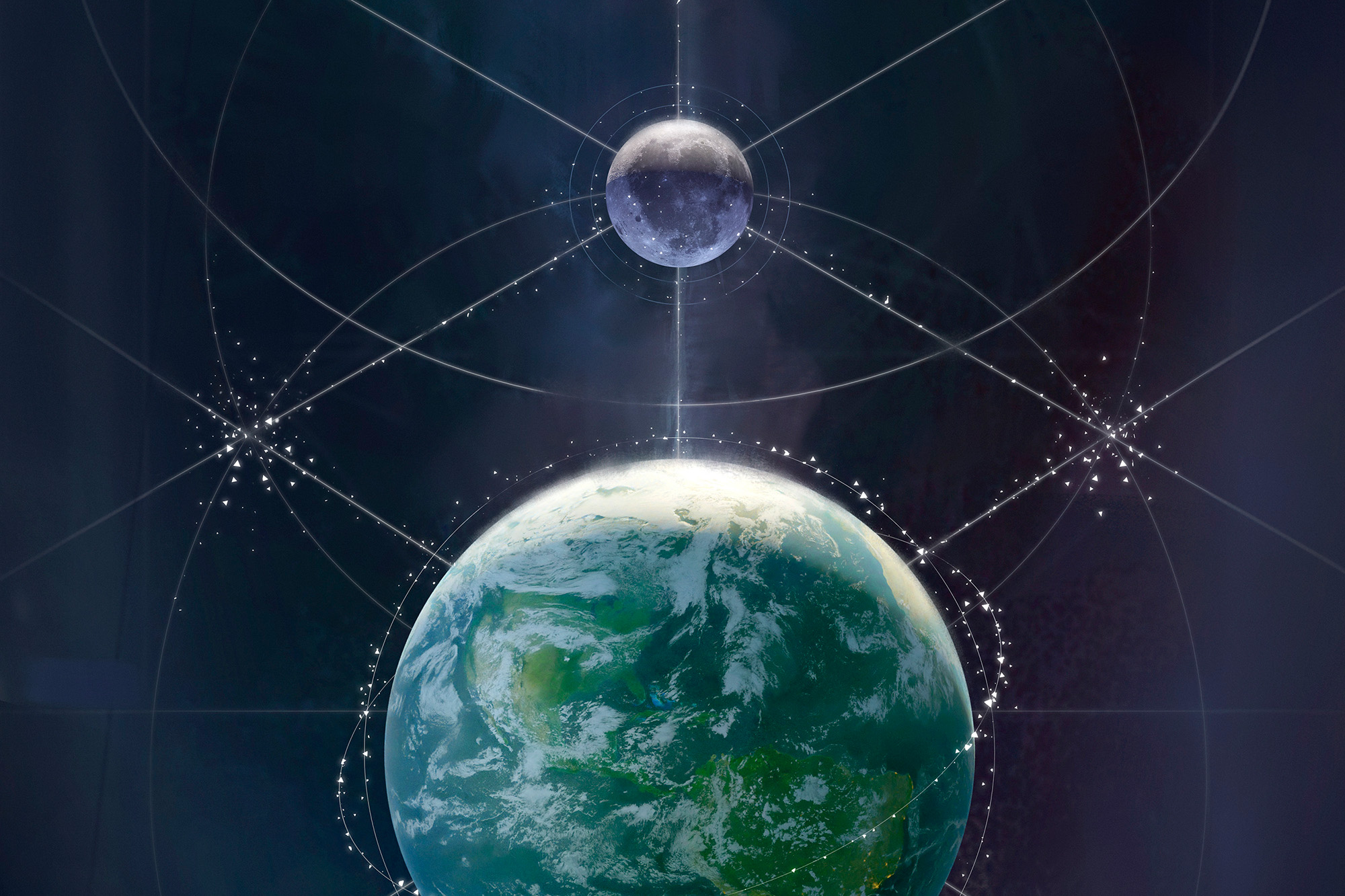
Cislunar Science and Technology →
APL is making critical contributions to the development of cislunar infrastructure to ensure our nation’s security interests are protected, support development of a sustainable cislunar presence, and advance pioneering science.
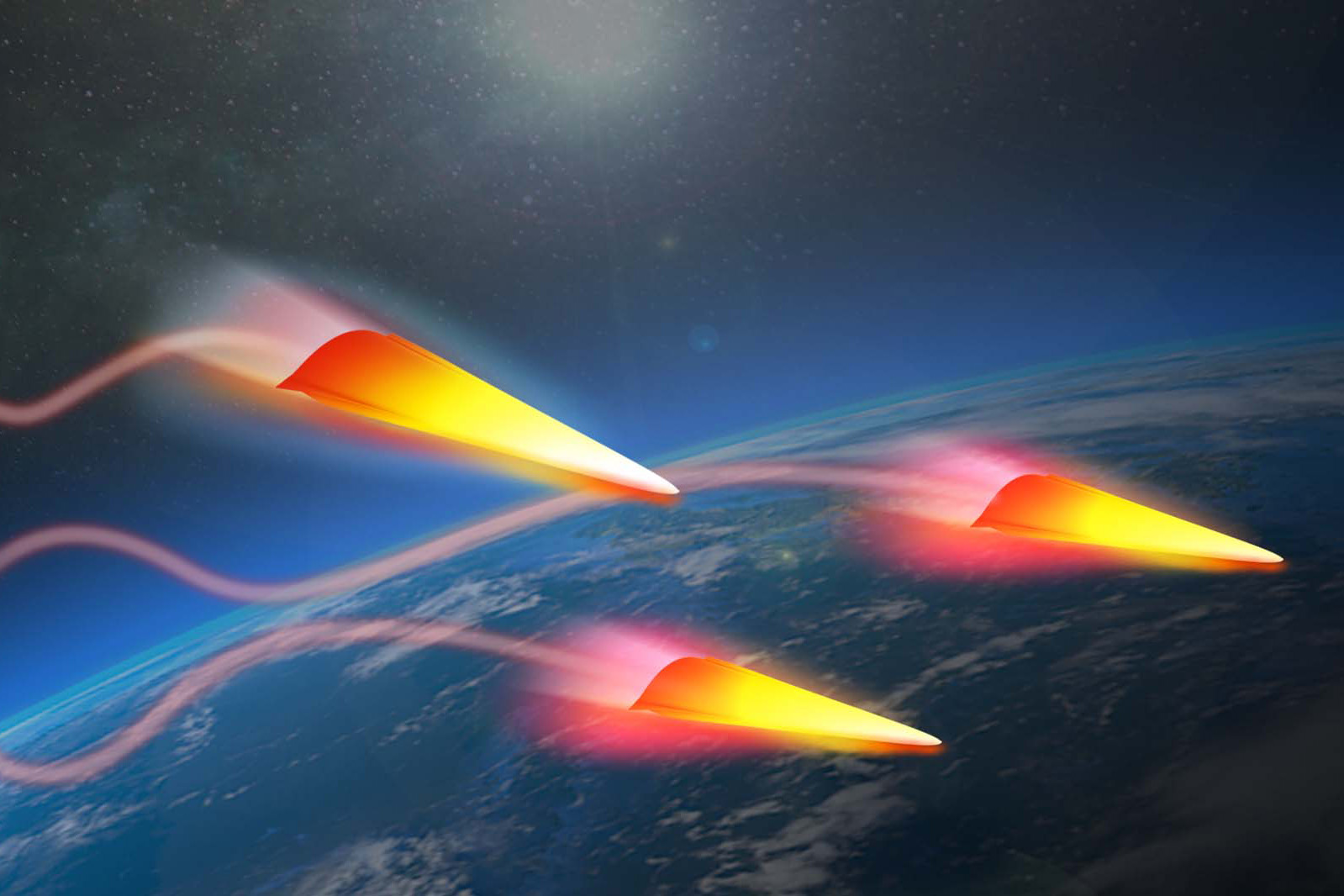
Creating Coatings for Extreme Environments
The leading edges of hypersonics vehicles—as well as fins, control surfaces, and apertures—need to be protected against speeds exceeding Mach 5, temperatures well above 1,000 degrees Celsius, oxidation from the atmosphere, and tremendous aerodynamic shear loads. Custom materials can enable mission success in these extreme environments.

National Security Space Missions and Hardware
APL is proud to conceptualize and implement highly classified and critically important spaceflight missions to enable our nation’s security.
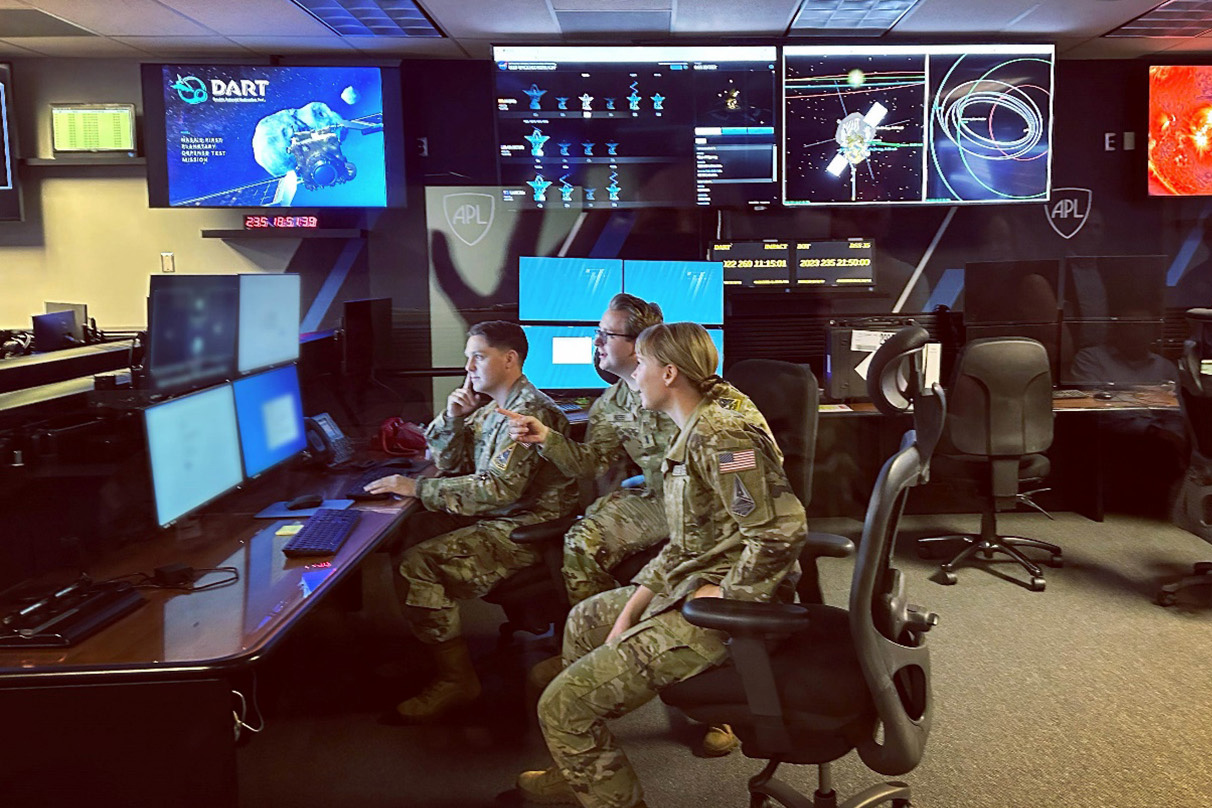
Enabling the Next Generation of Space Operator
APL is uniquely positioned to bolster the Joint Force in their effort to enhance the professional development of military and civilian members.
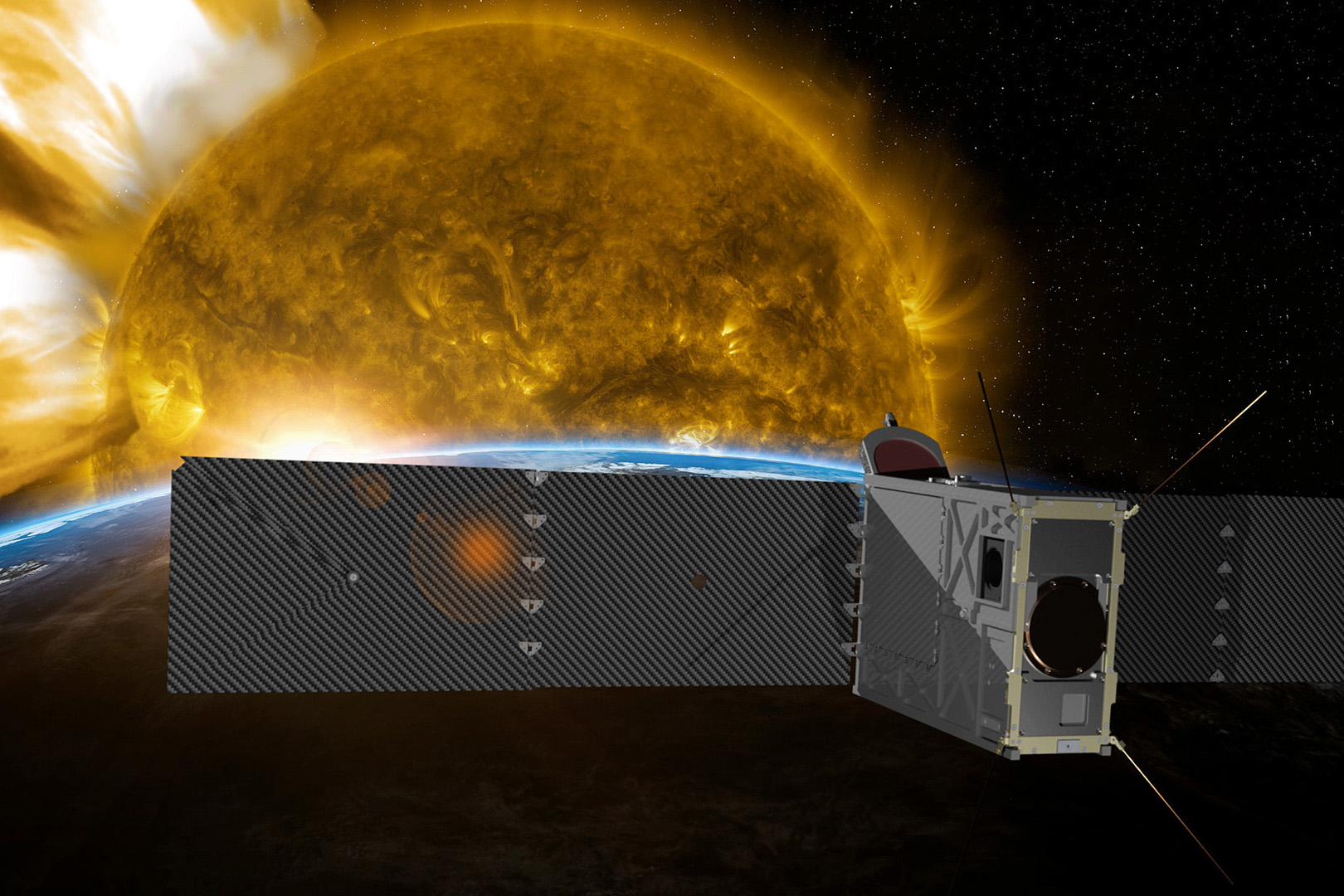
SunCET
The Sun Coronal Ejection Tracker (SunCET) mission seeks to determine what mechanisms accelerate most coronal mass ejections to speeds approaching 620 miles (1,000 kilometers) per second.
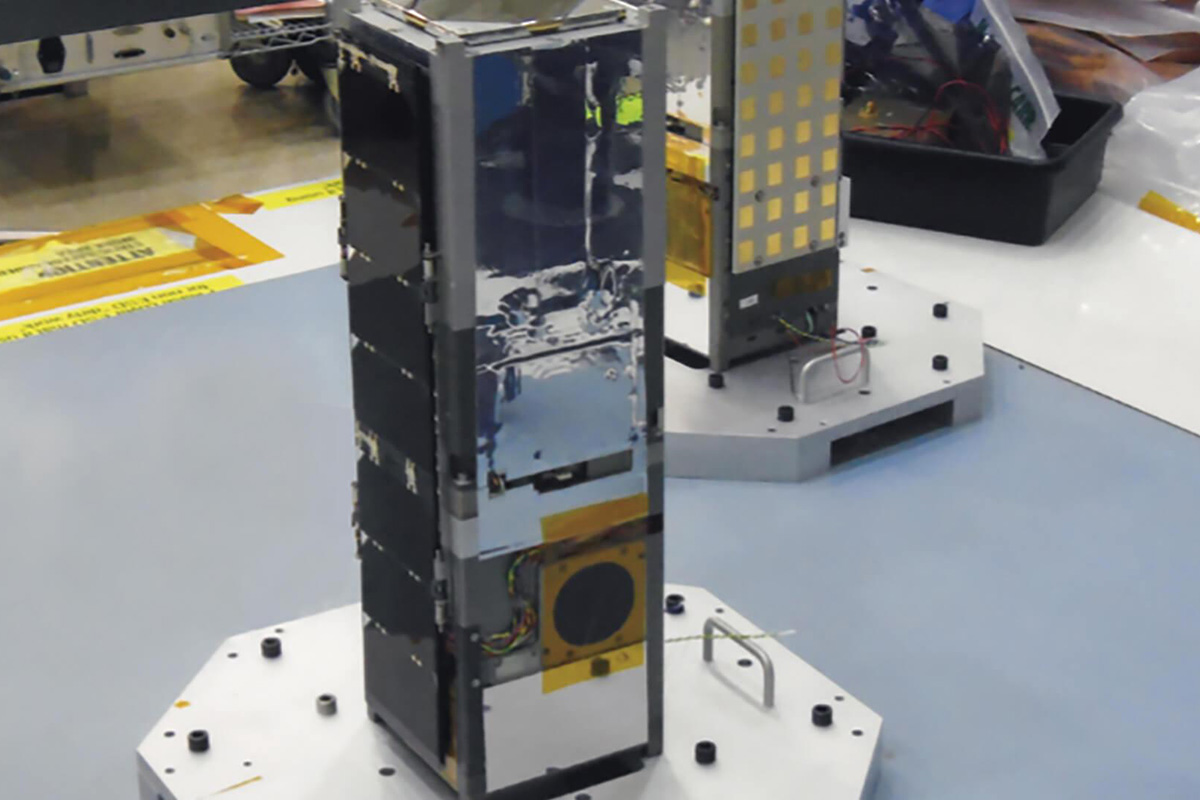
The CAT Experiment
APL has successfully delivered, flown, and operated two miniaturized satellites, or CubeSats, as part of a Lab-led flight demonstration known as the CubeSat Signal Preprocessor Assessment and Test (CAT).
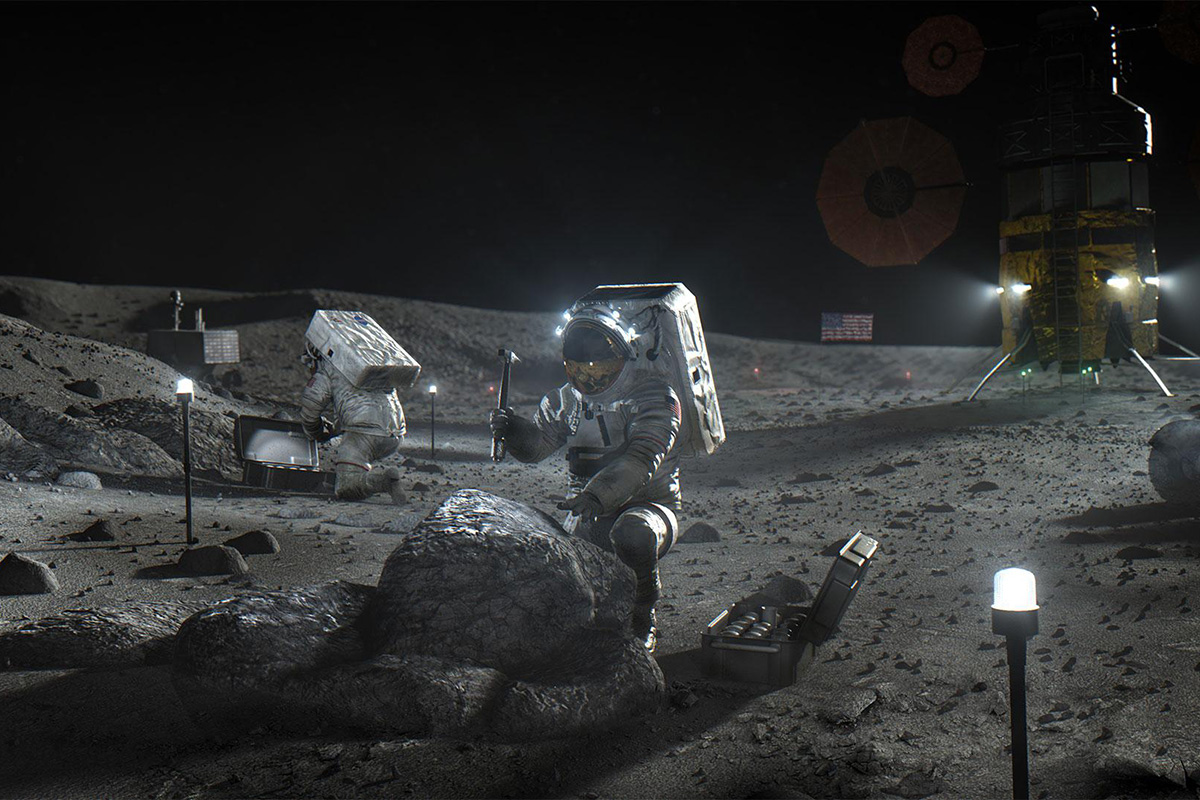
Lunar Surface Innovation Initiative
APL holds a key leadership role in NASA’s Lunar Surface Innovation Initiative (LSII), which aims to spur the development and deployment of technologies enabling humans to live and work on the Moon.
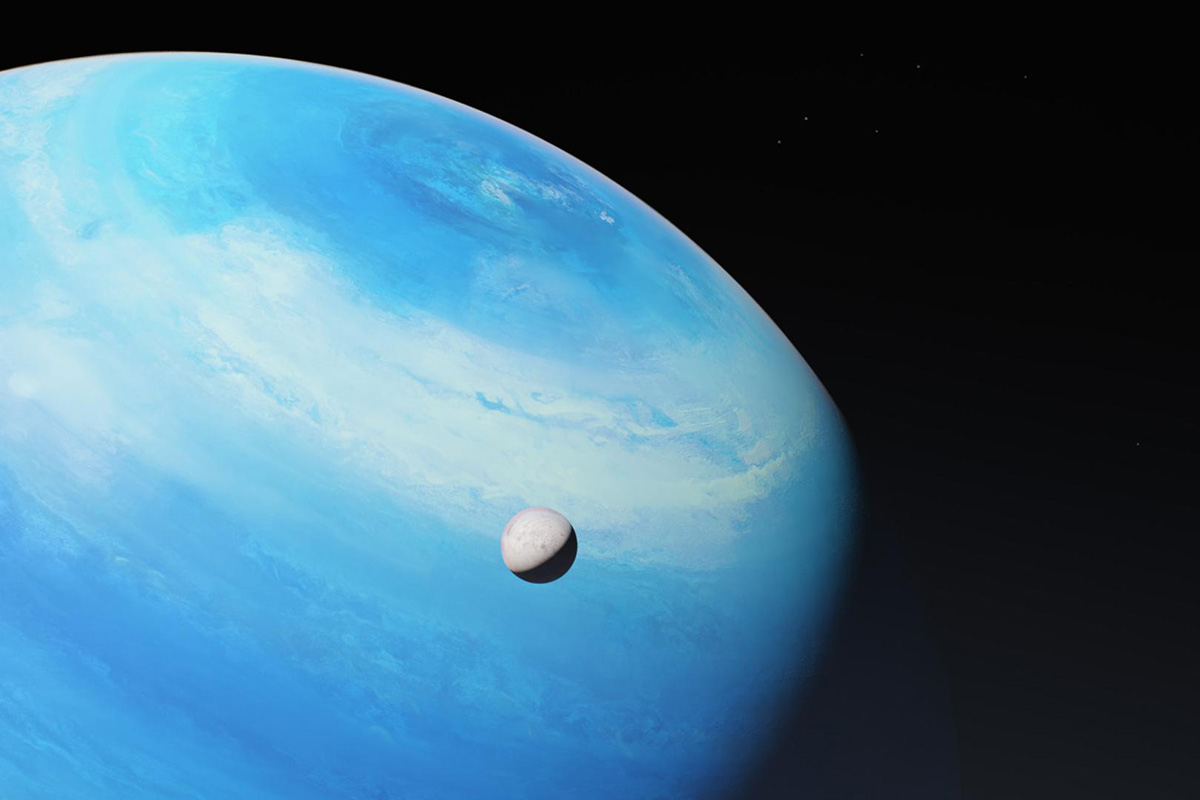
Ice Giant Research and Exploration
In the decades since NASA’s Voyager 2 spacecraft explored the solar system’s ice giants, Uranus and Neptune, APL has made concerted efforts to underscore the scientific value of these planets and provide innovative conceptual missions to return to their azure skies. Through research, workshops, and seminars, APL researchers and engineers are helping establish a framework and community that will maximize the scientific returns of a potential future mission.
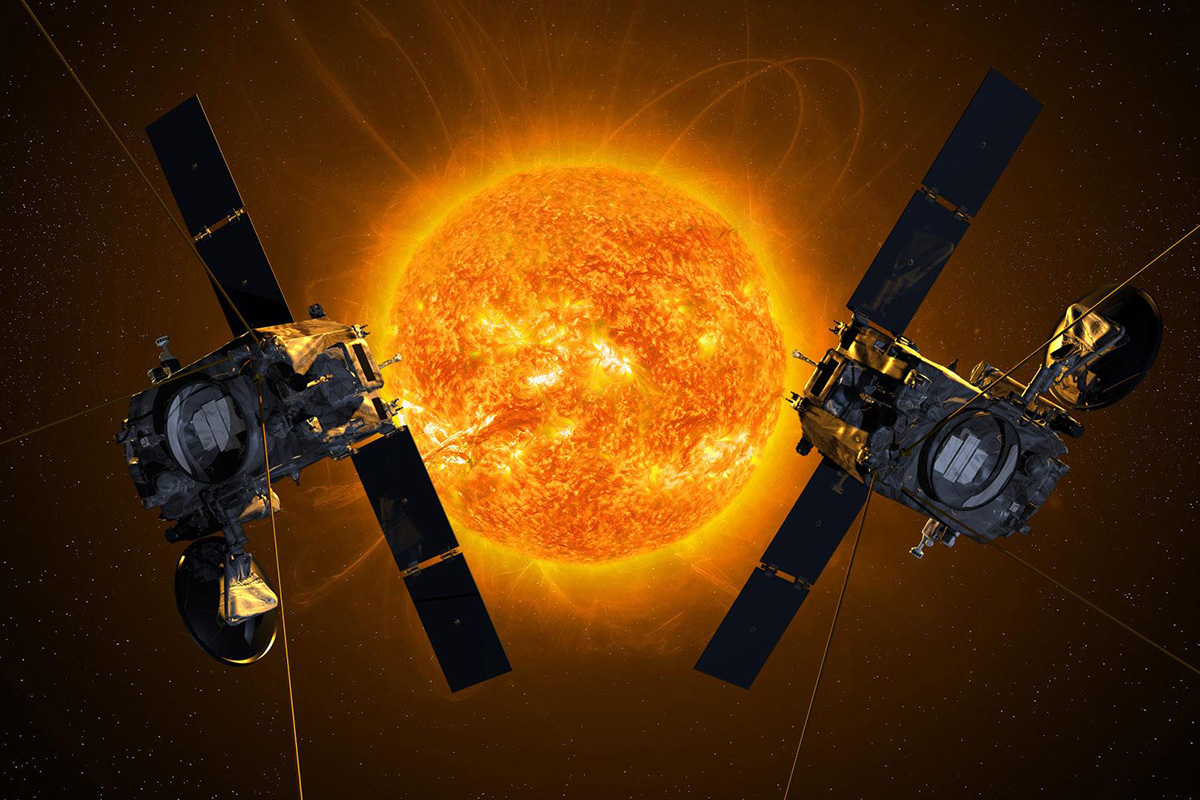
STEREO
The Solar TErrestrial RElations Observatory (STEREO) mission has provided 3D views of the solar corona, coronal mass ejections and the solar wind, and advanced space weather forecasting.
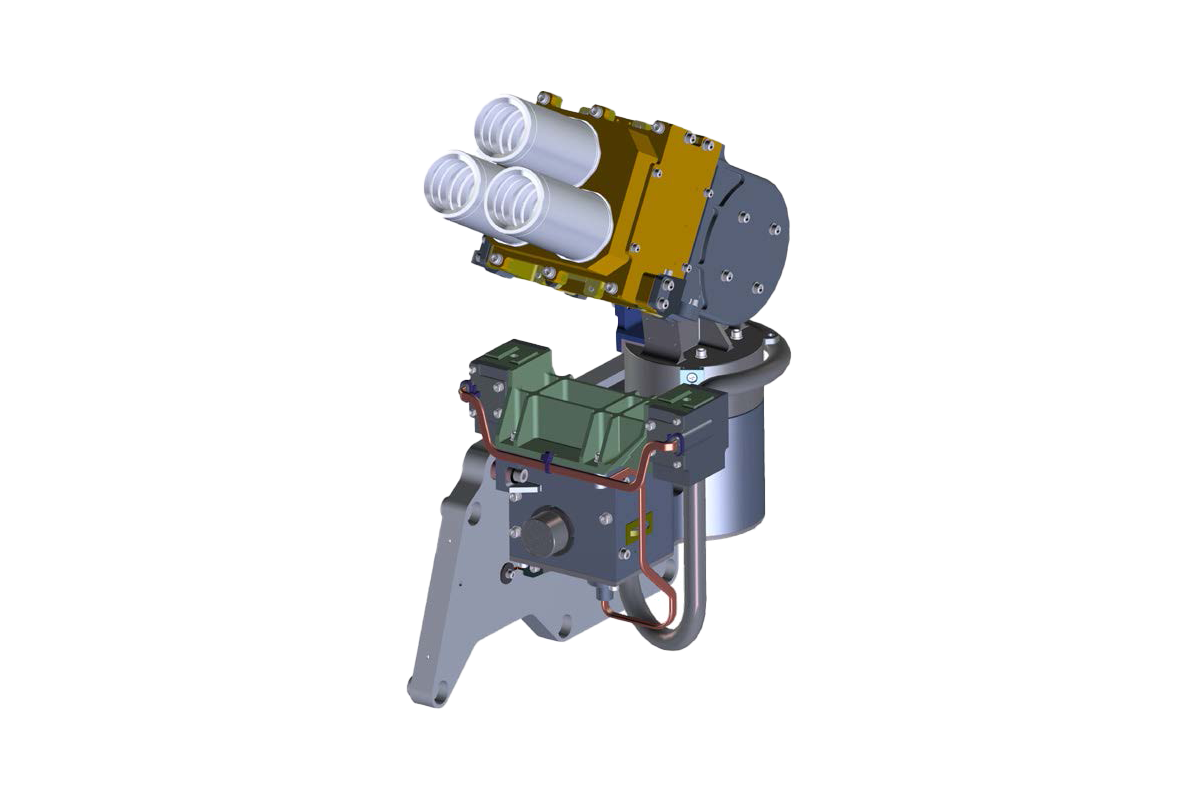
The SKA Experiment
APL developed and tested the sensors for the Missile Defense Agency’s Spacebased Kill Assessment (SKA) system, currently on orbit and executing planned test events.
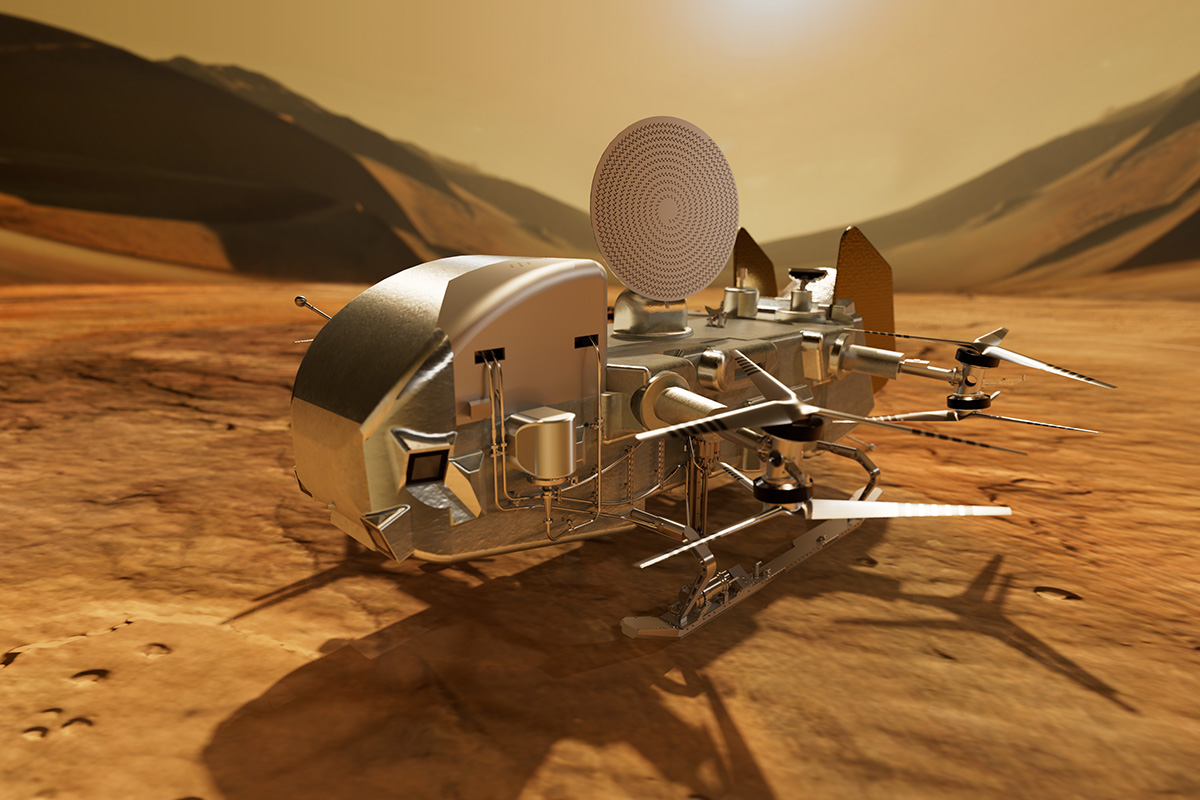
Dragonfly
Dragonfly is a NASA New Frontiers mission that will send a rotorcraft lander to explore the prebiotic chemistry and habitability of Saturn’s largest moon, Titan.
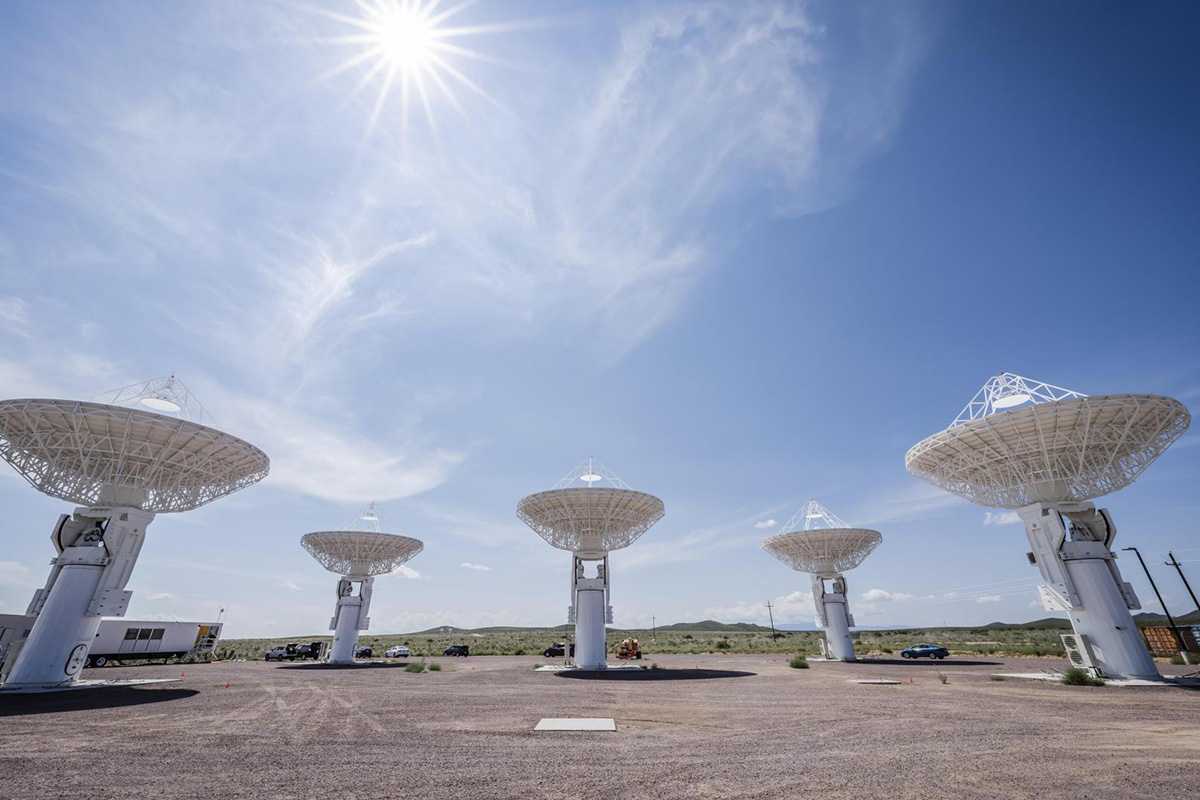
DARC Demonstration
The APL designed, developed, and tested Deep Space Advanced Radar Capability (DARC) helped solve the challenge of locating and tracking active satellites in and on the way to geosynchronous orbit, more than 22,000 miles above Earth.
DART
The Double Asteroid Redirection Test (DART) was NASA’s first planetary defense test mission.