Critical Contributions to Critical Challenges

Strategic Technology Solutions
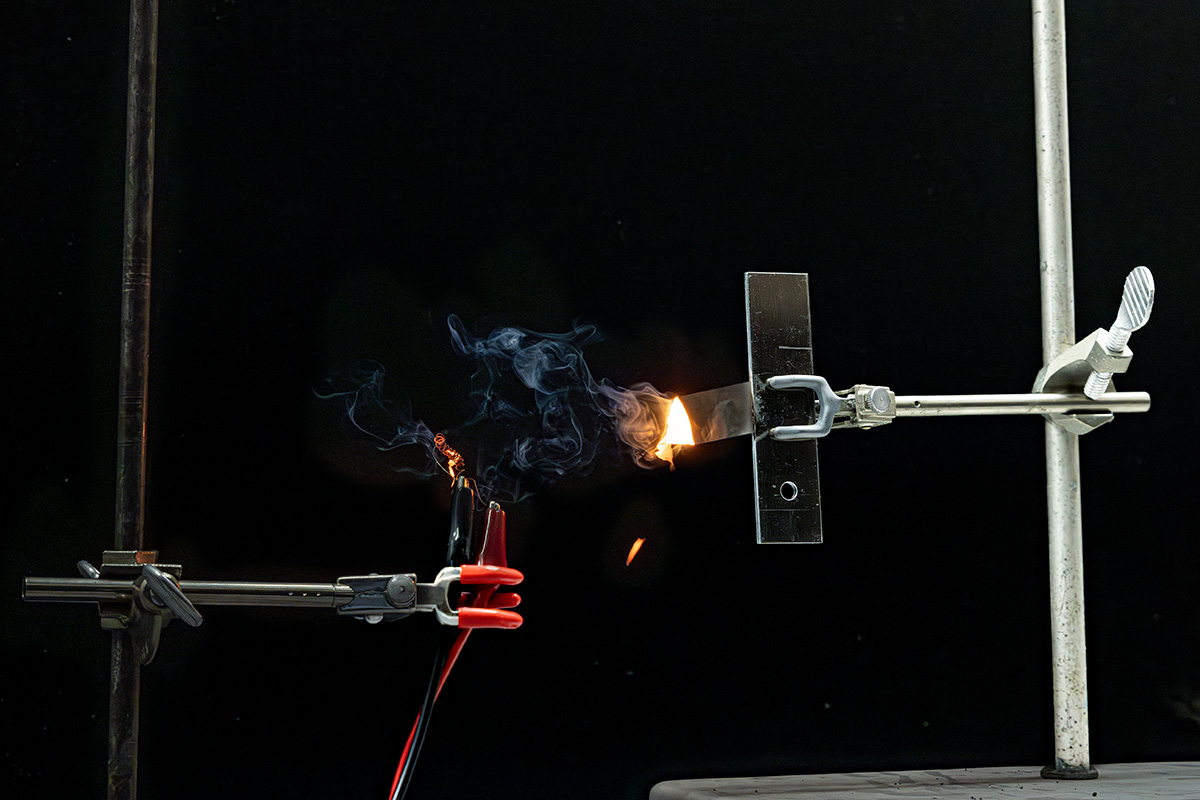
Johns Hopkins APL leverages world-class talent and facilities to conceive and mature critical innovations across multi-domain missions spanning deep sea to space. Learn more about our capabilities in scaled hypersonics, contested logistics technologies, applied artificial intelligence, quantum and battlefield information dominance, biomanufacturing, and scaled directed energy.
NEAR
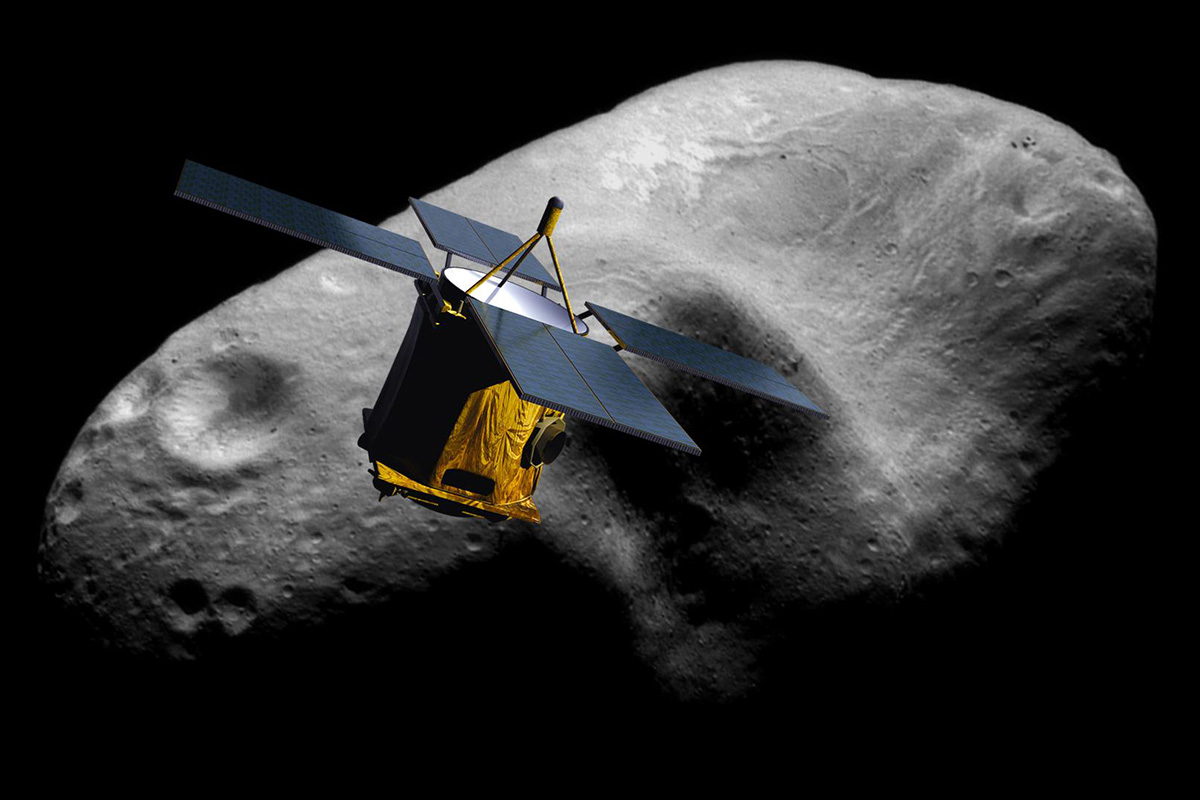
The first launch in NASA’s Discovery program, the Near Earth Asteroid Rendezvous (NEAR) was the first mission to orbit and land on an asteroid.
MESSENGER
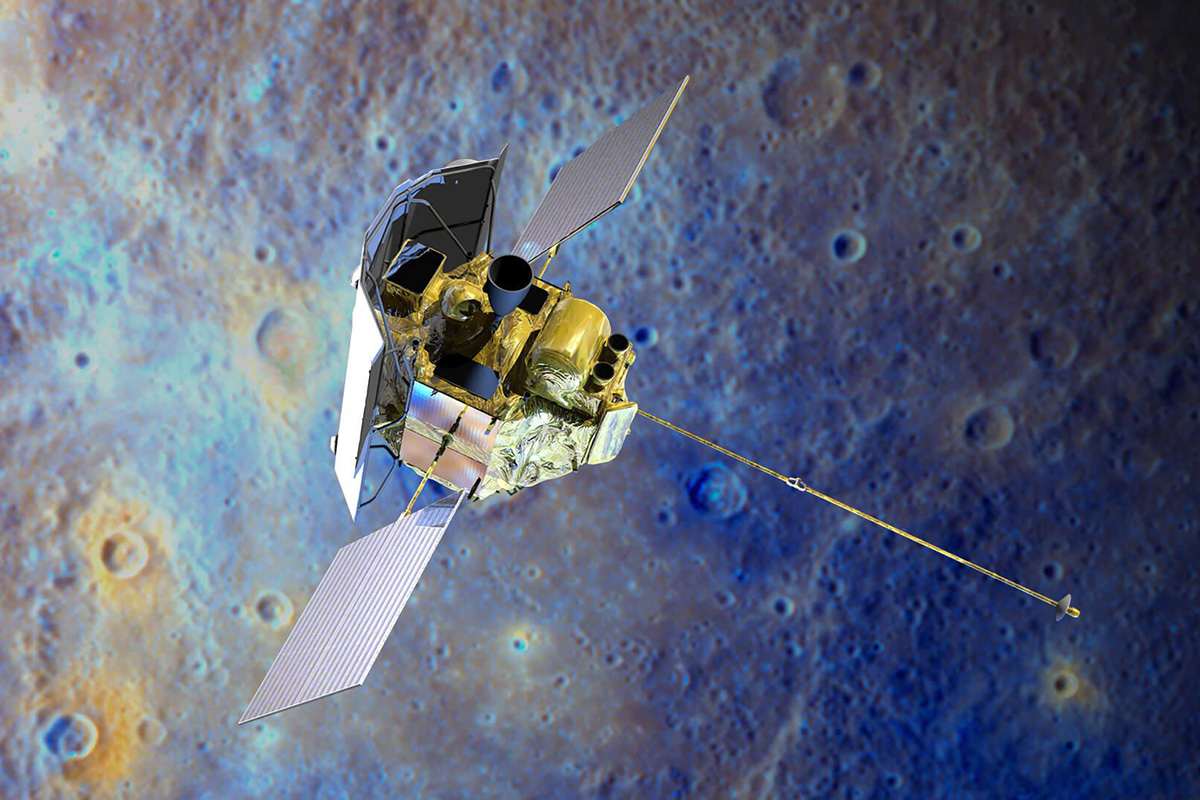
MErcury Surface, Space ENvironment, GEochemistry, and Ranging (MESSENGER) was the first mission to orbit Mercury, shedding unprecedented light on the origins and evolution of the innermost planet.
Lunar Vertex
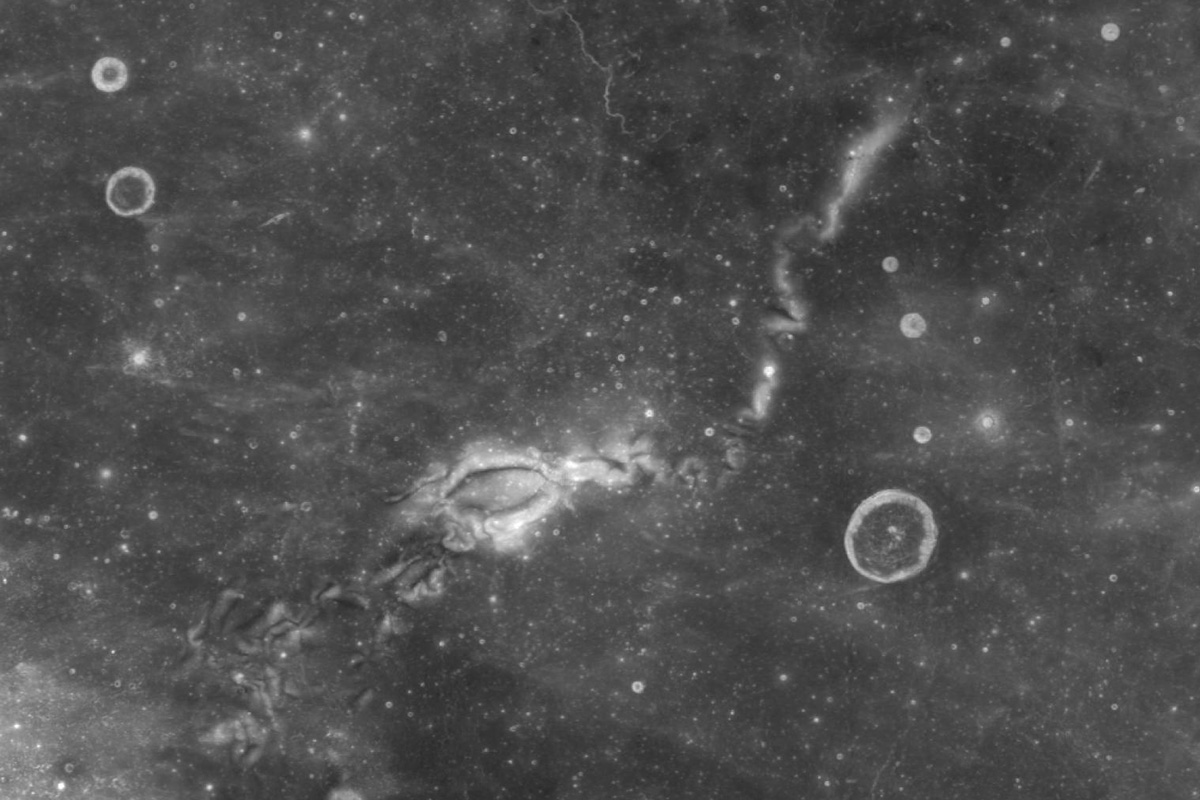
Lunar Vertex will be the first mission to carry out a comprehensive study of lunar magnetic anomaly and the associated swirl and mini-magnetosphere.
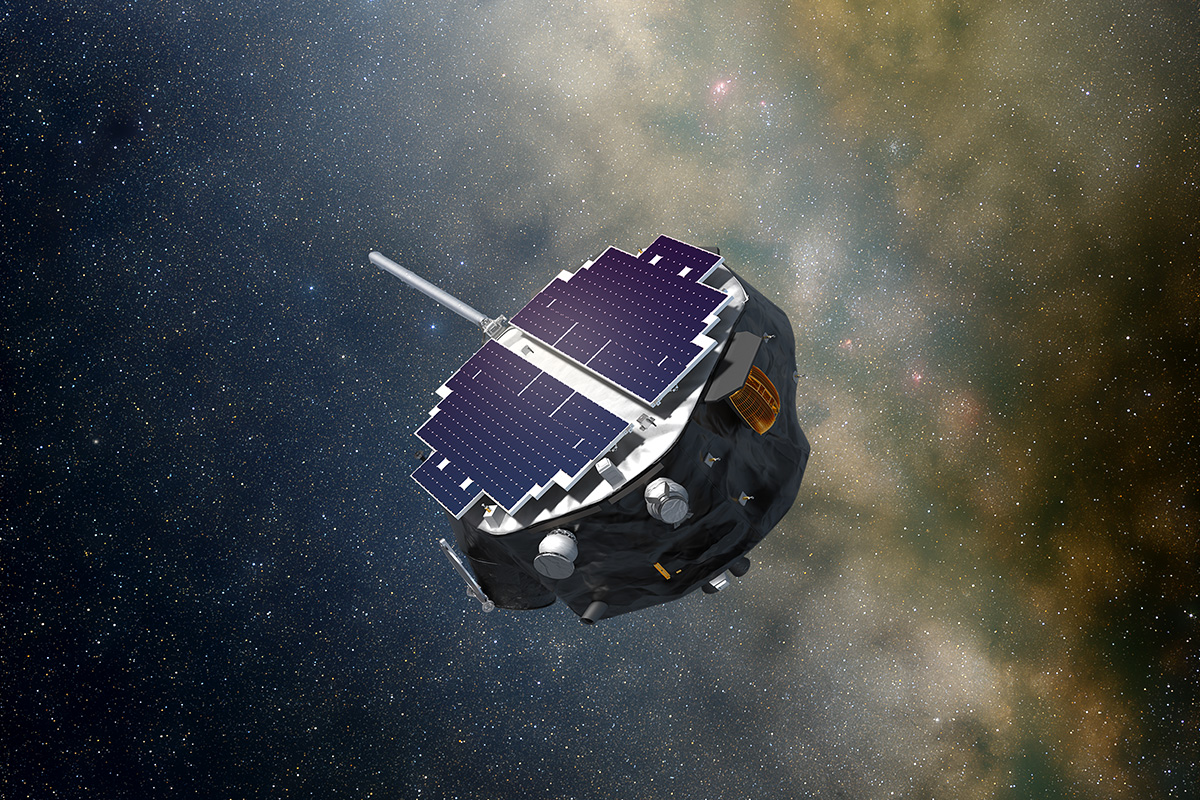
IMAP
NASA’s Interstellar Mapping and Acceleration Probe (IMAP) mission, which APL built in partnership with Principal Investigator David McComas of Princeton University, will study the boundary of our heliosphere, decoding the messages in particles from the Sun and beyond our cosmic shield.
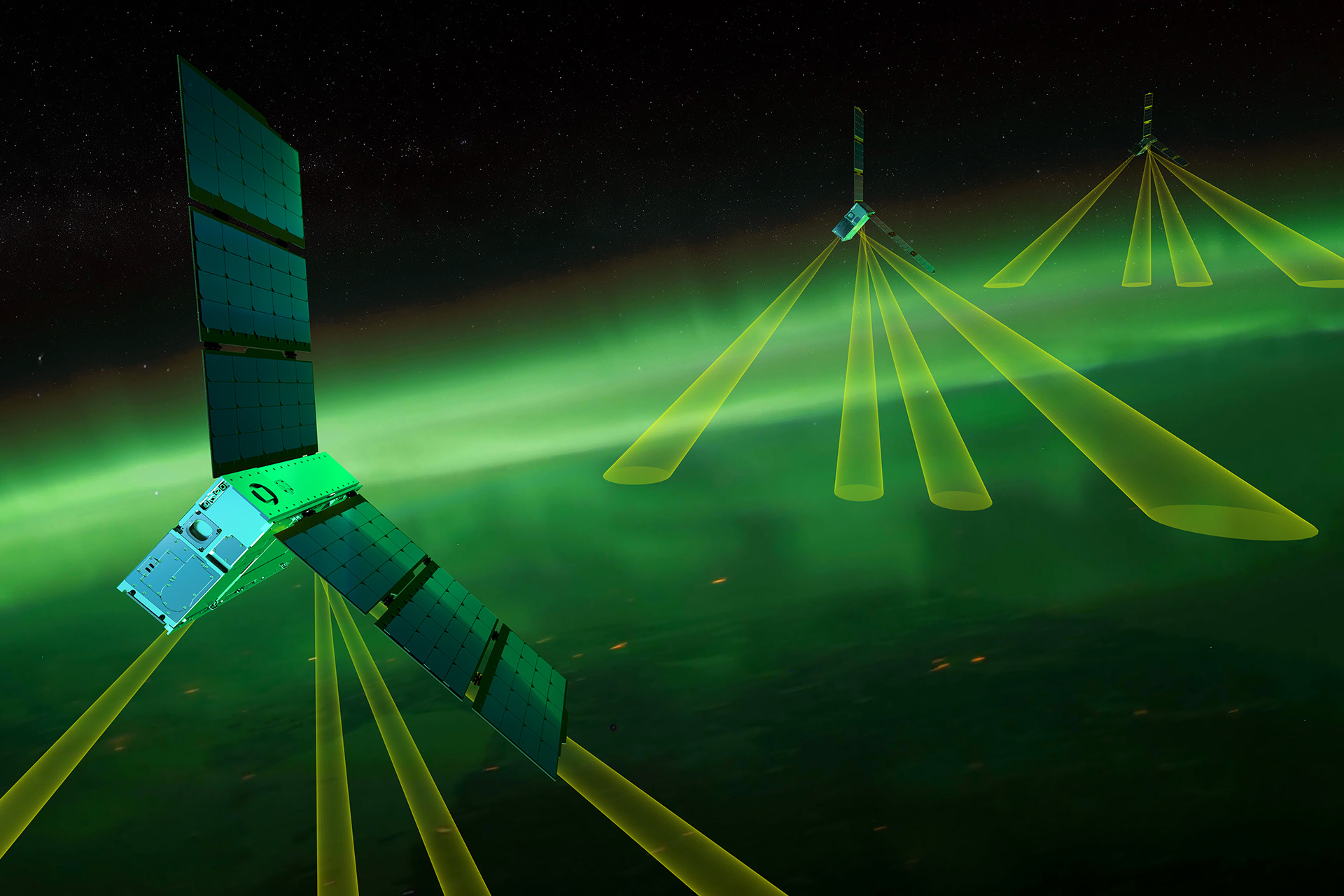
EZIE
The Electrojet Zeeman Imaging Explorer (EZIE) will characterize the electrojets that flow high in Earth’s atmosphere to reveal the underlying processes that form them.
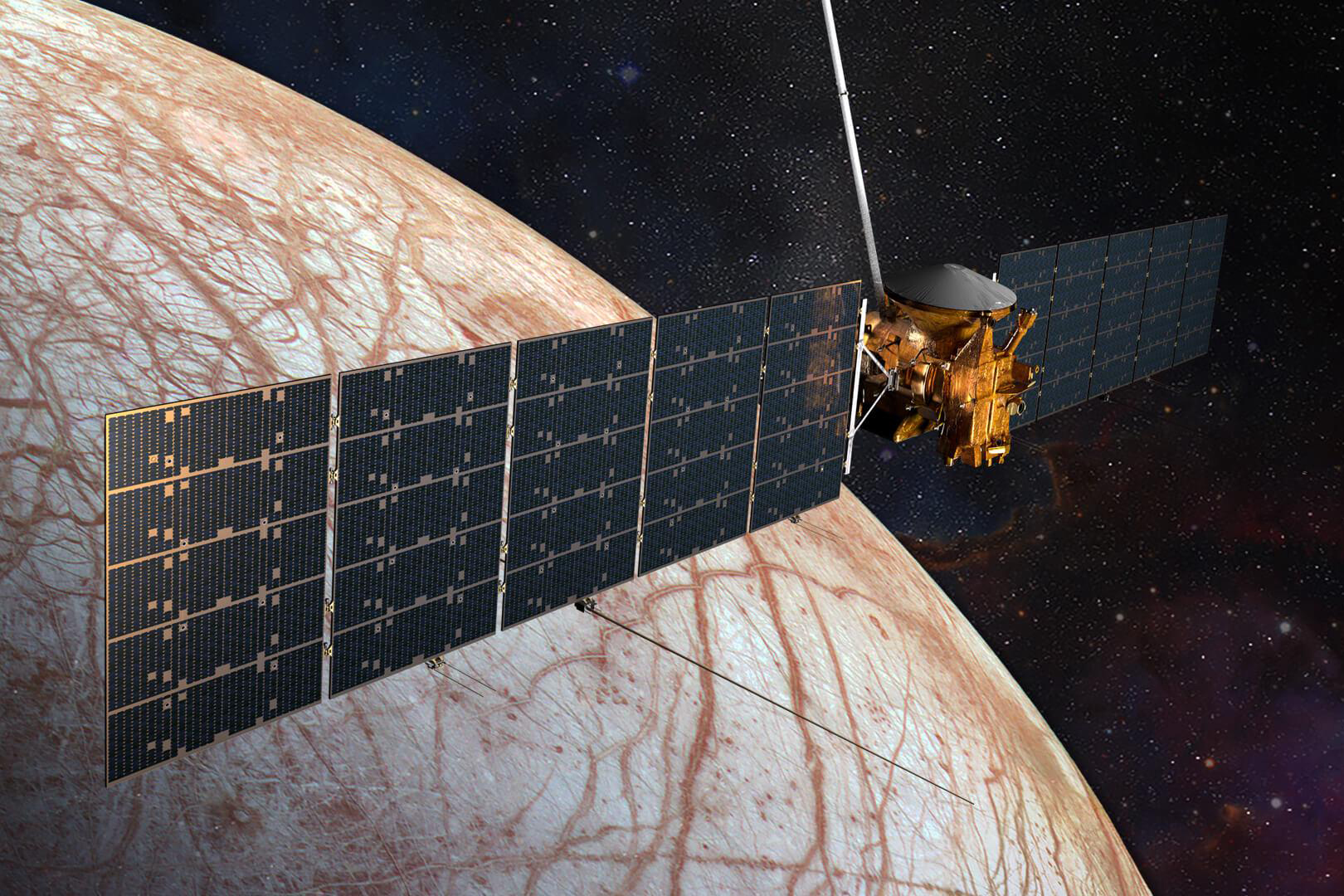
Europa Clipper
A mission to survey Jupiter’s icy moon Europa and determine whether it has conditions suitable to harboring life.
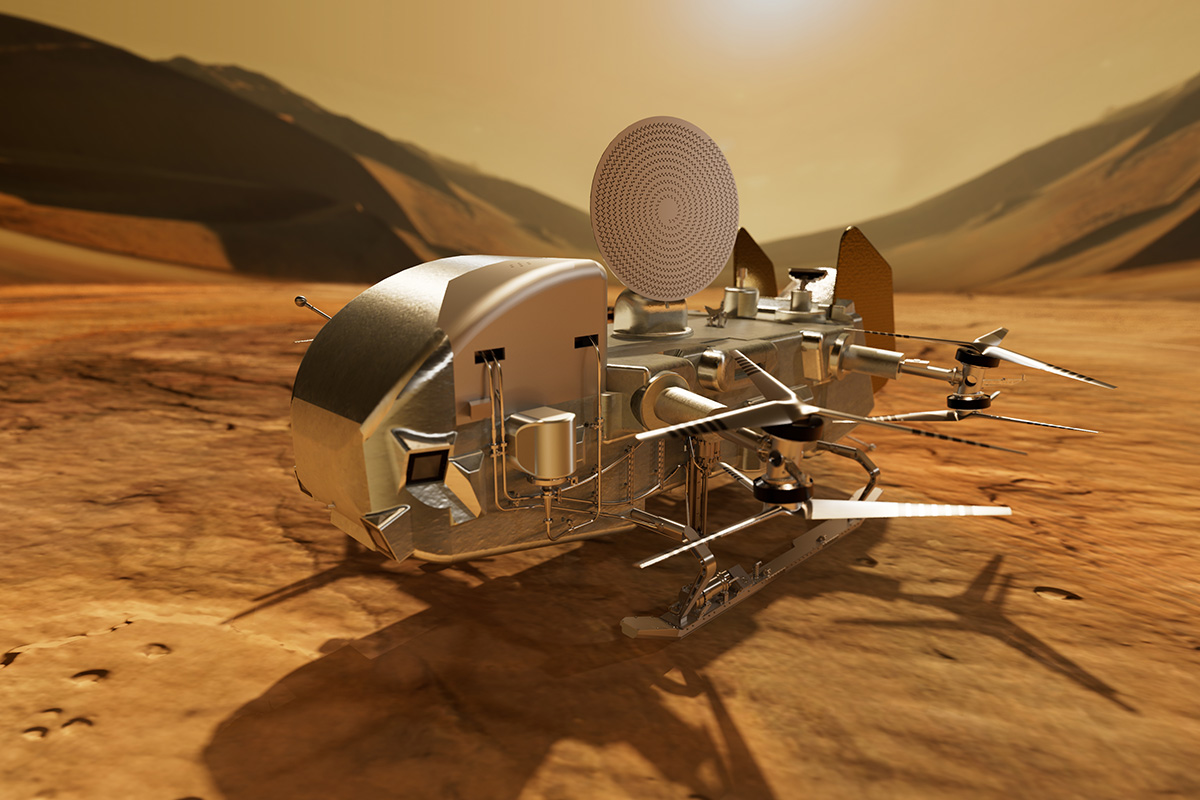
Dragonfly
Dragonfly is a NASA New Frontiers mission that will send a rotorcraft lander to explore the prebiotic chemistry and habitability of Saturn’s largest moon, Titan.
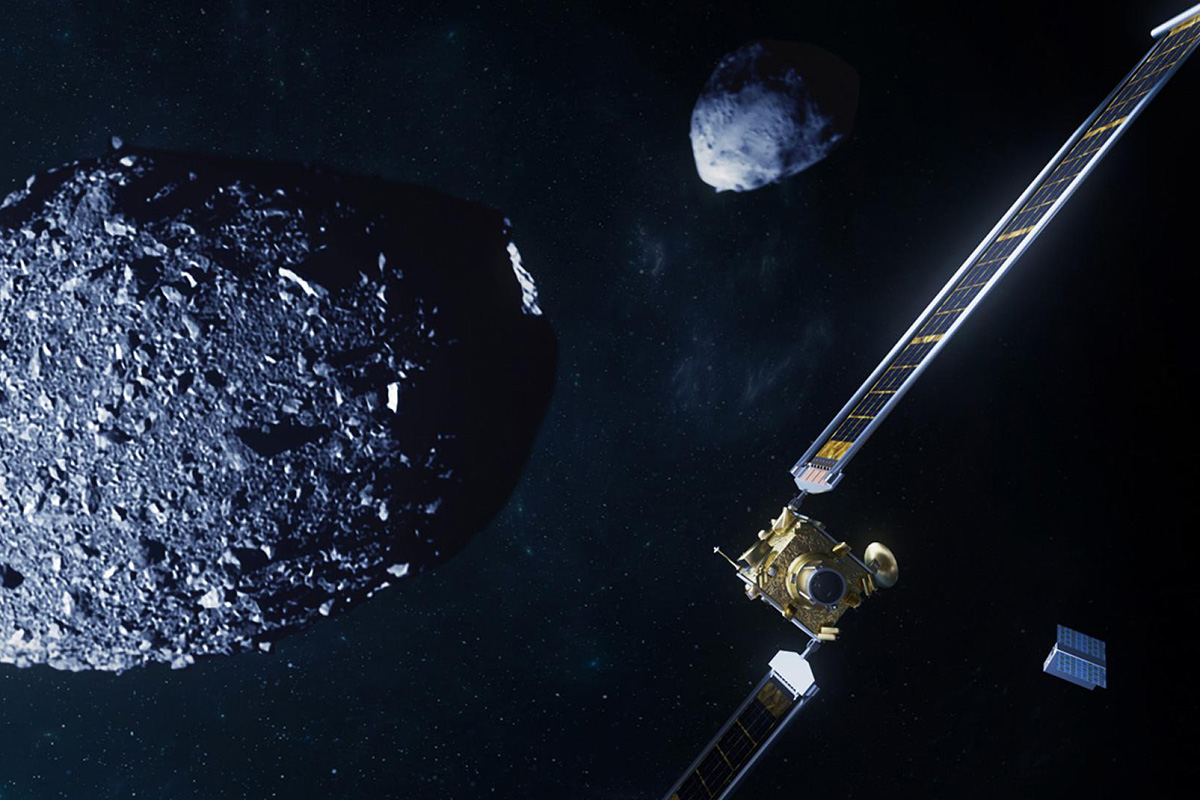
DART
The Double Asteroid Redirection Test (DART) was NASA’s first planetary defense test mission.
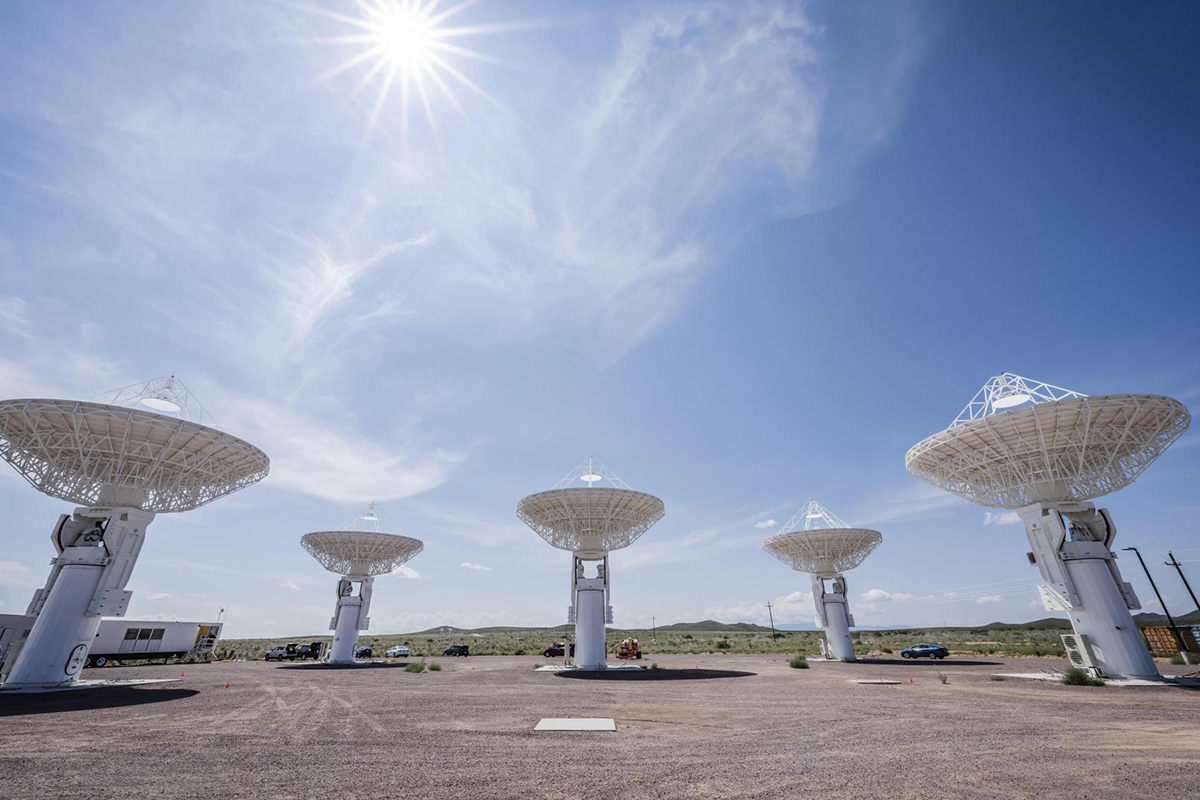
DARC Demonstration
The APL designed, developed, and tested Deep Space Advanced Radar Capability (DARC) helped solve the challenge of locating and tracking active satellites in and on the way to geosynchronous orbit, more than 22,000 miles above Earth.
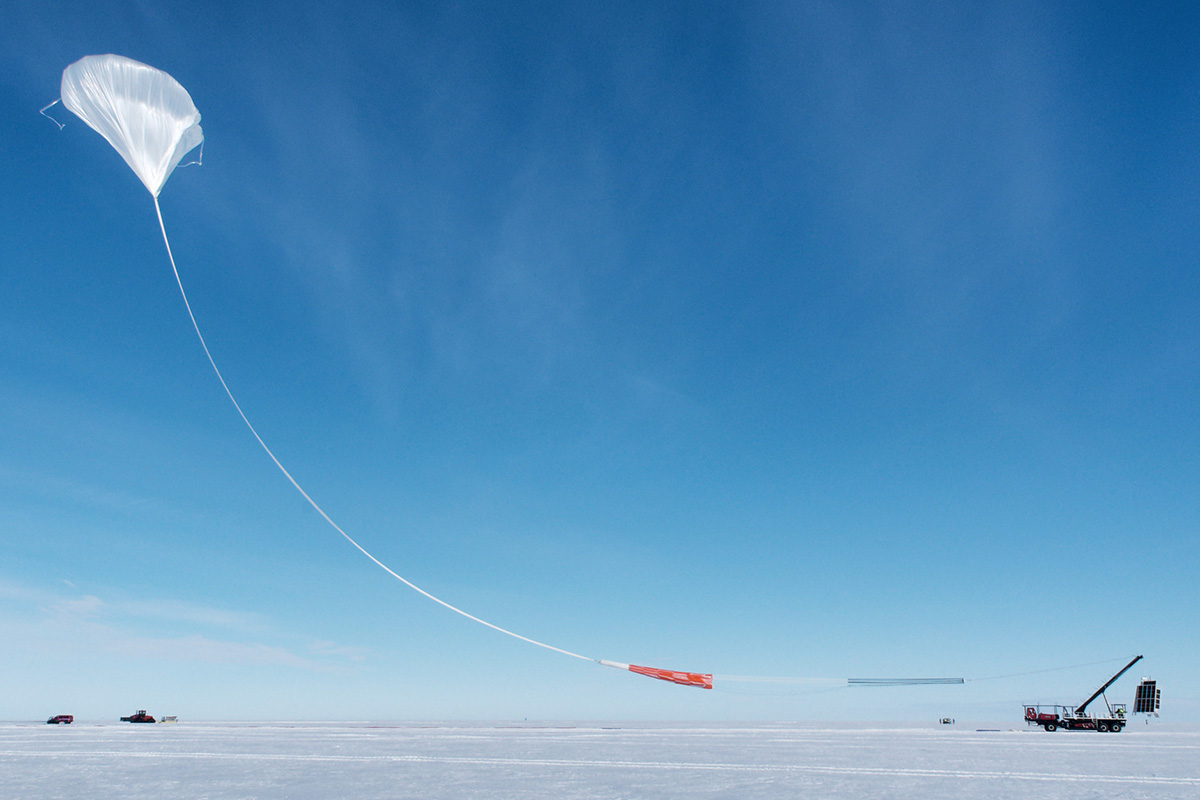
Balloon Programs
APL balloon missions and instruments observe planetary targets and the interstellar medium, and conduct other space science investigations.

ACE
A heliophysics observatory, the Advanced Composition Explorer (ACE) provides early warning of geomagnetic storms that can overload power grids, disrupt communications on Earth, and present a hazard to astronauts.
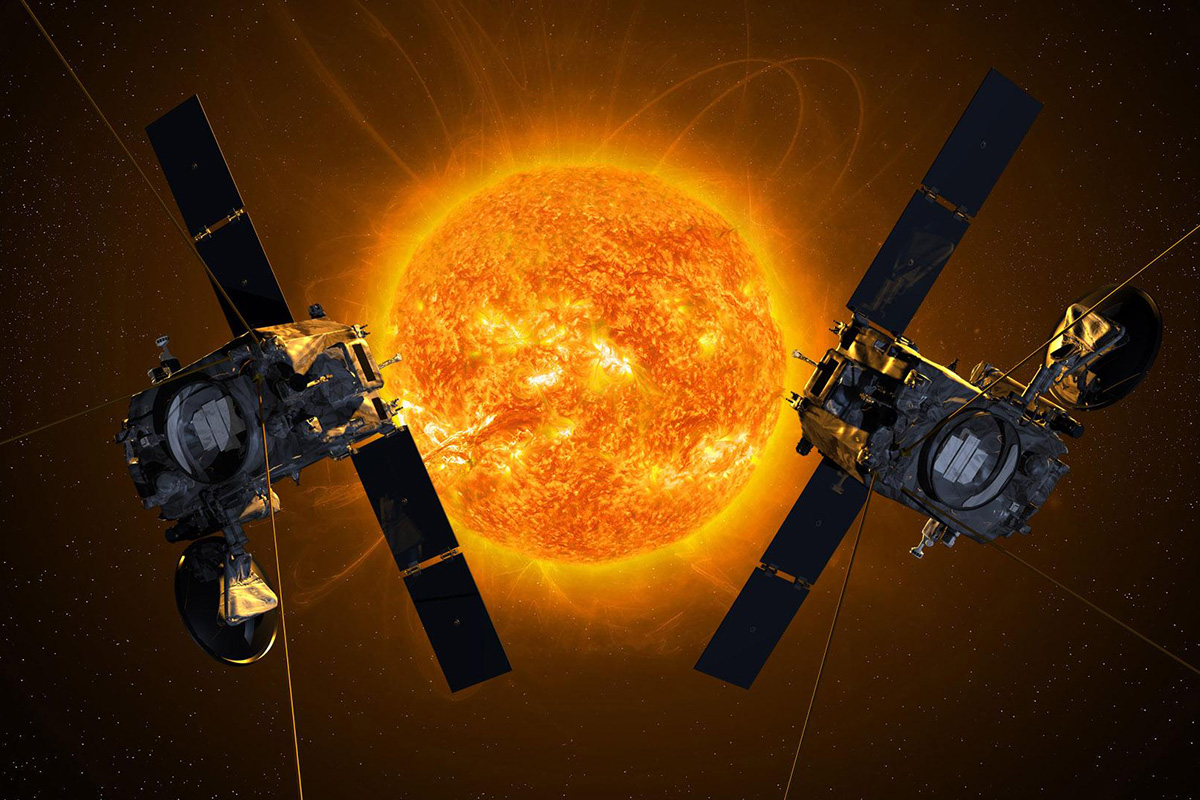
STEREO
The Solar TErrestrial RElations Observatory (STEREO) mission has provided 3D views of the solar corona, coronal mass ejections and the solar wind, and advanced space weather forecasting.