The Mission
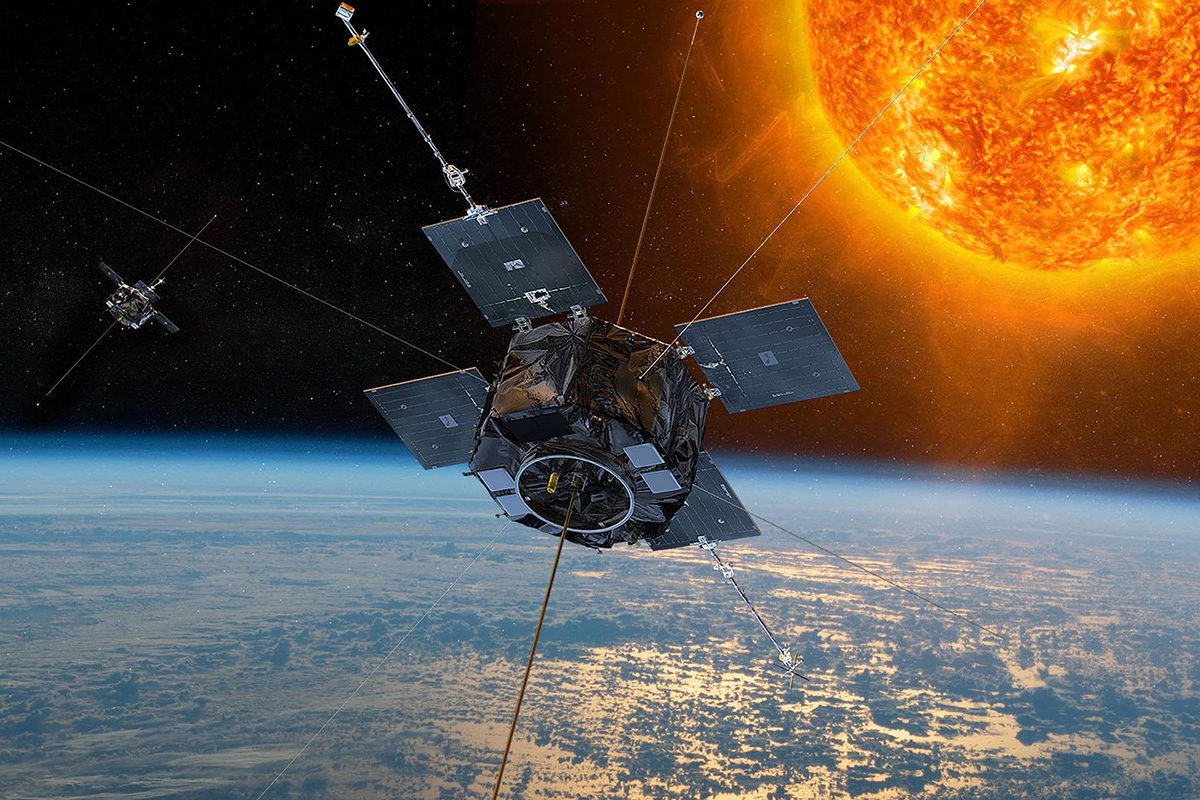
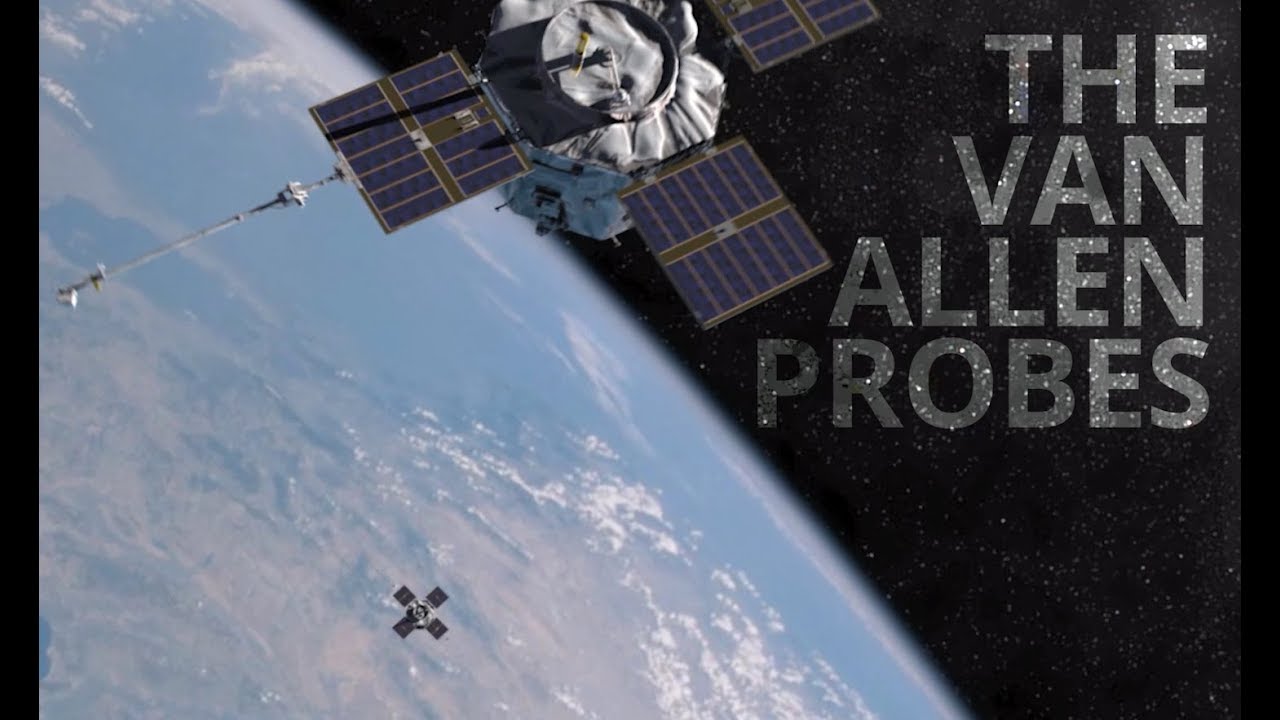
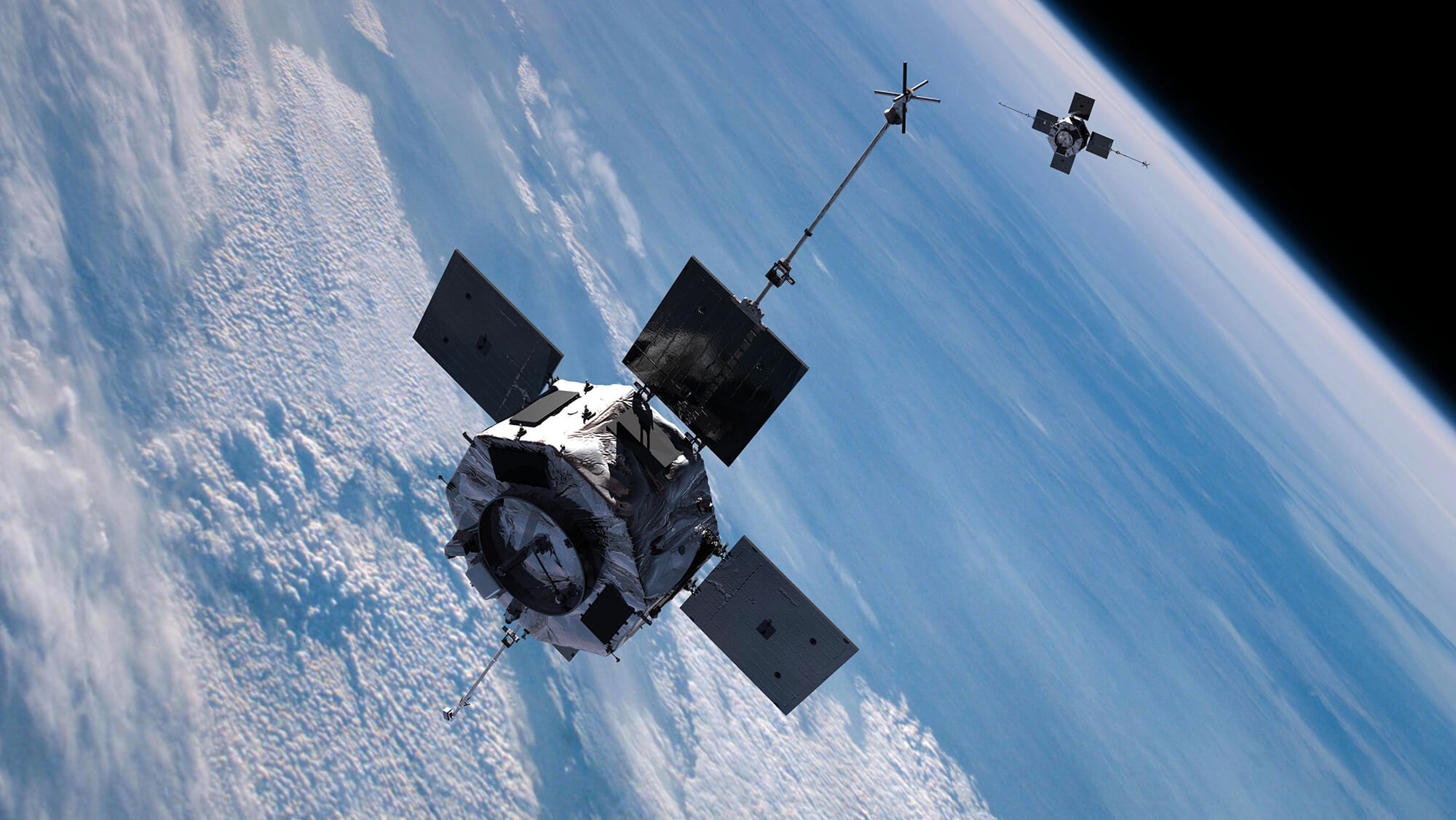
Part of NASA’s Living With a Star program, Van Allen Probes was the first mission to use two spacecraft in tandem to study Earth’s radiation belts. By having two spacecraft with identical instruments, with one followed by the other along nearly the same path, researchers could measure changes that occur in Earth’s radiation belts over time and through space, providing insights into the physical dynamics of the radiation belts and changes that occur in this critical region of space.
The probes measured the particles, waves, magnetic fields, and electric fields that fill geospace, the region around Earth that includes its upper atmosphere, ionosphere, and magnetosphere. Each probe was deactivated when it ran out of fuel—Van Allen Probe B on July 19, 2019, and Van Allen Probe A on October 19, 2019—bringing the mission to a close.
Van Allen Probe A re-entered Earth’s atmosphere in March 2026. Analysis when the mission ended in 2019 found that the spacecraft would re-enter Earth’s atmosphere in 2034. However, those calculations were made before a solar cycle that has proven far more active than expected. These conditions increased atmospheric drag on the spacecraft beyond initial estimates, resulting in an earlier-than-expected re-entry. Van Allen Probe B is not expected to re-enter before 2030.