
Critical Contributions to Critical Challenges

Strategic Technology Solutions
Johns Hopkins APL leverages world-class talent and facilities to conceive and mature critical innovations across multi-domain missions spanning deep sea to space. Learn more about our capabilities in scaled hypersonics, contested logistics technologies, applied artificial intelligence, quantum and battlefield information dominance, biomanufacturing, and scaled directed energy.

Space Security and Defense
APL provides expertise to the Space Security and Defense program, a joint Department of War/Office of the Director of National Intelligence organization focused on creating a more resilient and enduring national security space capability.
Health Surveillance
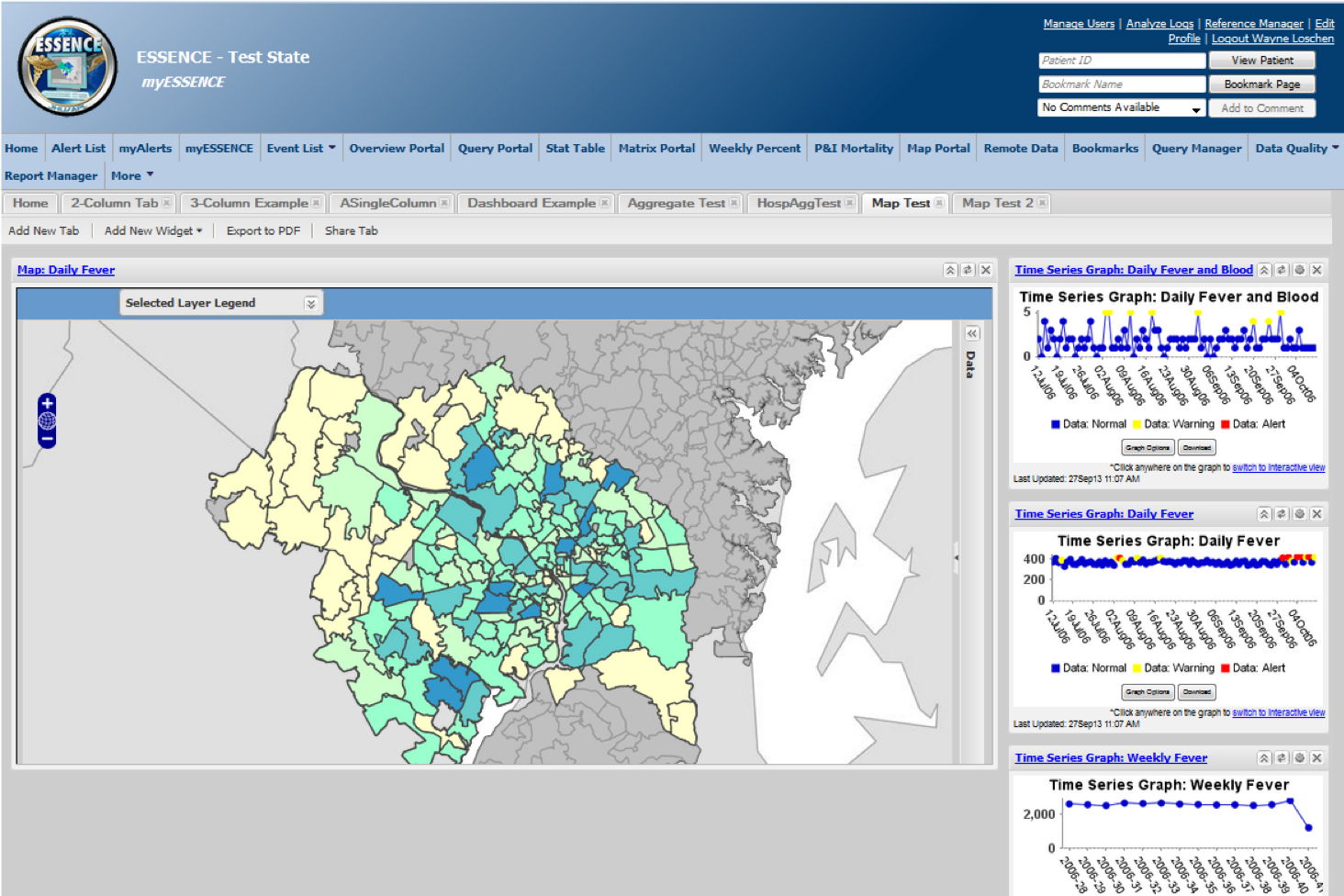
APL’s leadership in electronic disease surveillance is making a difference for both warfighter health protection and readiness and civilian populations.

Mapping the Brain
APL led testing and evaluation efforts for IARPA’s MICrONs project, launched to create state-of-the-art machine learning capabilities by discovering how brain circuits process information.
Test Target Prototyping
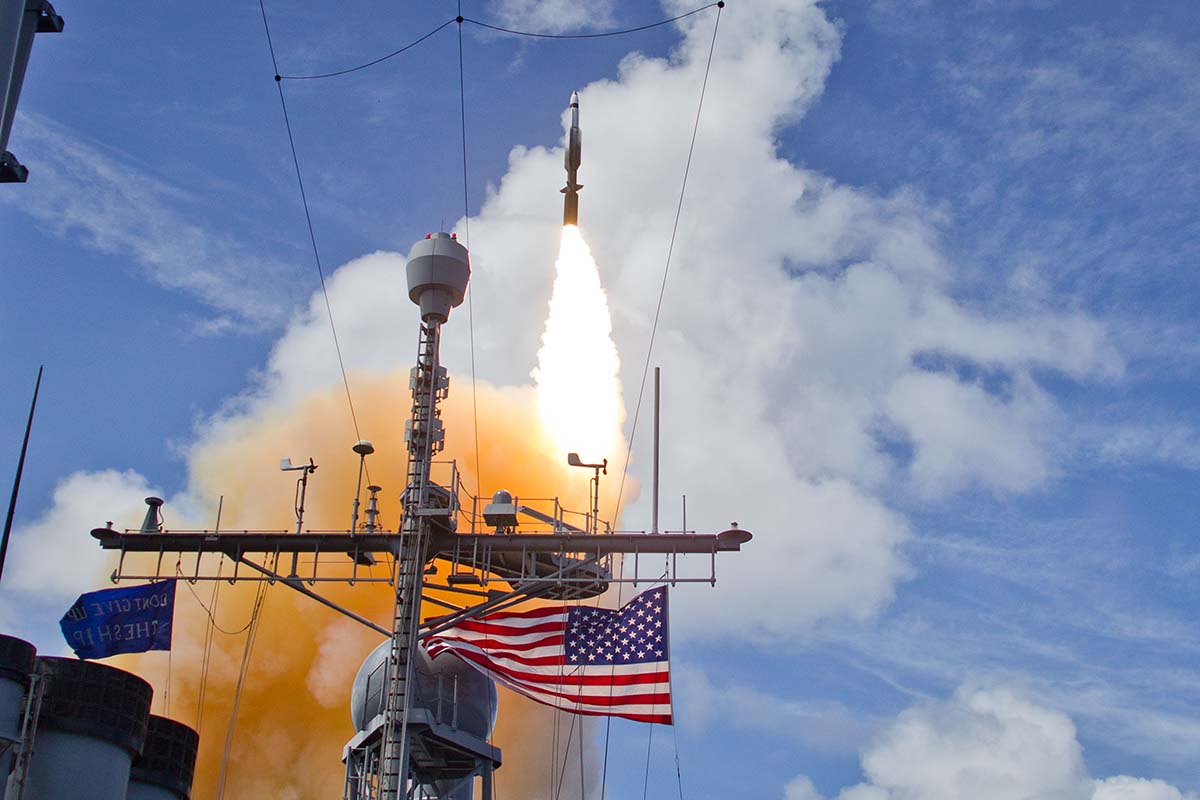
A cross-APL team of engineers, working with the Missile Defense Agency’s (MDA) Target and Countermeasures Directorate and other government and industry partners, develops cost-effective solutions for MDA to support live-fire testing of interceptors, sensors, and fire control systems.

Testing Air and Missile Defense Radar
APL teamed with industry and the Above Water Sensors Directorate of Program Executive Office Integrated Warfare Systems on two successful tests of the AN/SPY-6(V), a wideband digital beam-forming sensor known as the Air and Missile Defense Radar.

Uncrewed Surface Vessel Perception
International regulations for preventing collisions at sea require vessels to operate within certain distances based on the visual identification of other vessels.

Optical Communications at Sea
We successfully demonstrated a high-bandwidth free-space optical (FSO) communications system between two moving ships, proving operational utility of FSO technology in the maritime environment.

Situational Awareness for First Responders
Under the direction of the Department of Homeland Security Science and Technology Directorate, APL partnered with the New York City Police Department’s Emergency Service Unit in April 2017 to field-test and evaluate a commercial Mobile Ad-hoc Networking (MANET) system.
Standard Missile-3: The Next Generation
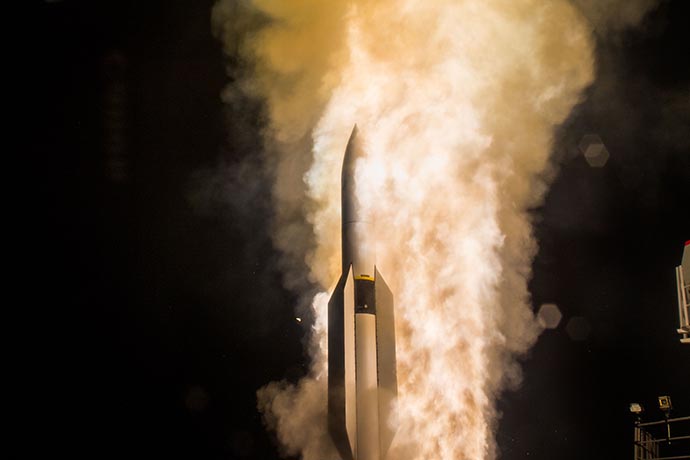
APL led key “end-to-end” system-level performance analysis in collaboration with the government–industry team for the SM-3 Block IIA missile, cooperatively developed by the United States and Japan.
Swarming Uncrewed Surface Vehicles
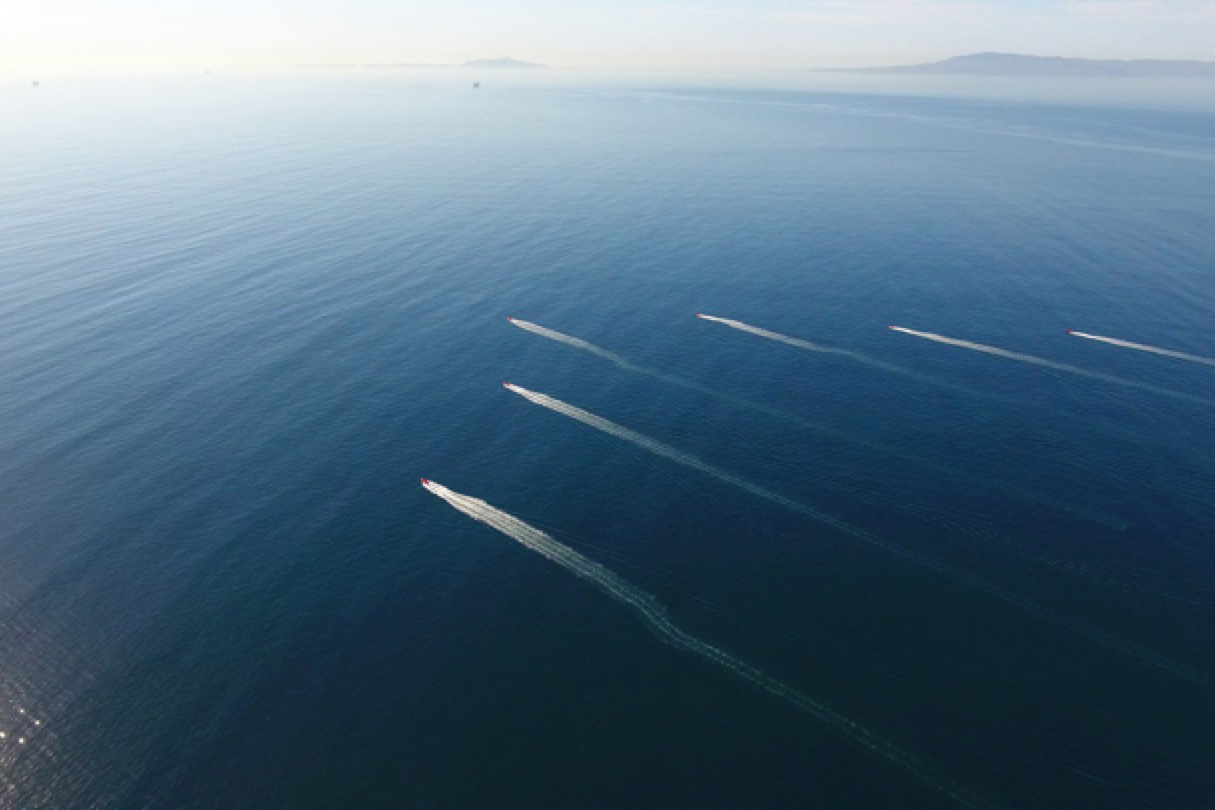
APL, in collaboration with the Naval Air Warfare Center Port Hueneme Weapons Division, led a swarming uncrewed surface vehicle demonstration of advanced multivehicle autonomy at tactically relevant speeds.
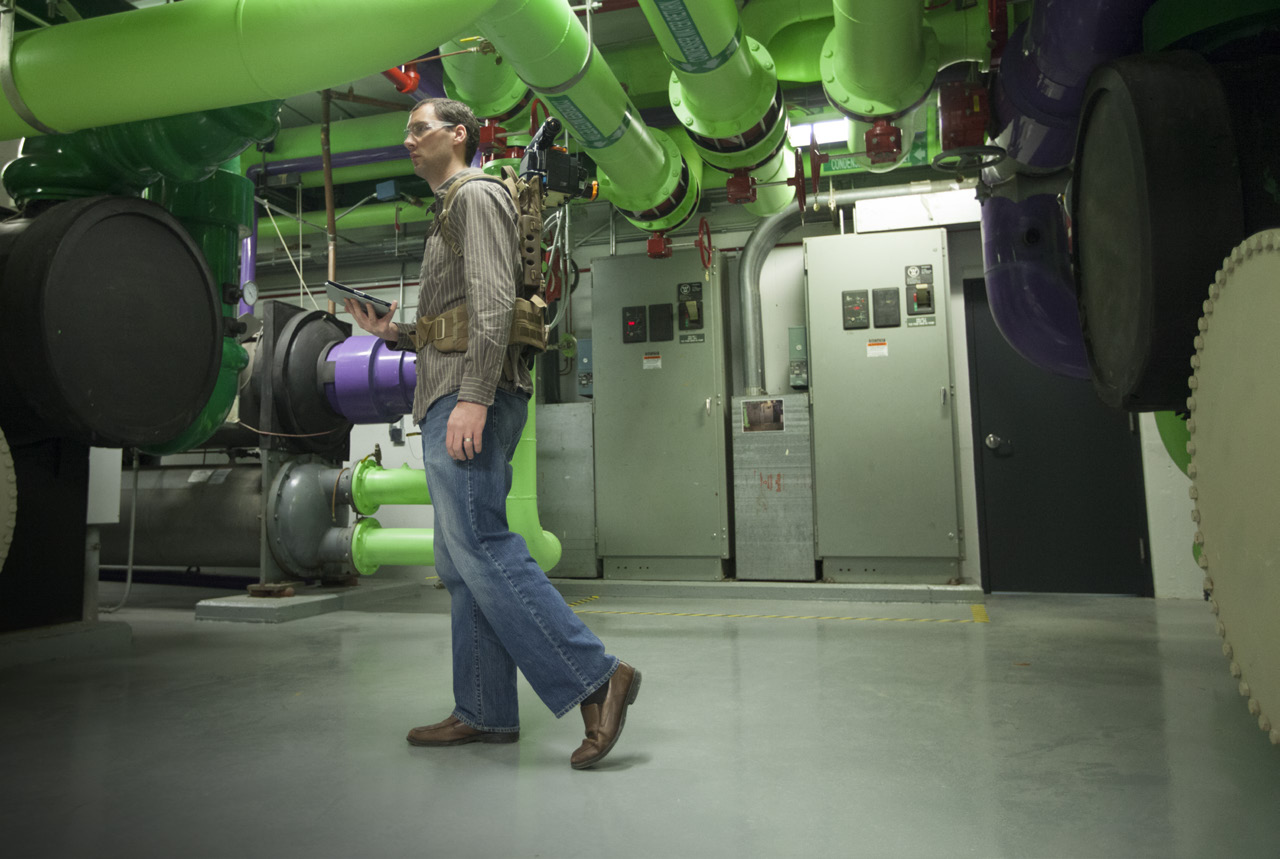
Enhanced Mapping and Positioning System (EMAPS)
EMAPS, a portable mapping system carried in a backpack, uses sensors and lasers to create annotated maps in spaces where GPS is not available, such as underground or on ships.

Revolutionizing Prosthetics
Revolutionizing Prosthetics was an ambitious multiyear program—funded by DARPA—to create a neurally controlled artificial limb that would restore near-natural motor and sensory capability to individuals with upper-extremity limb loss and spinal cord injury.