
Press Release
Aug 17, 2021
Johns Hopkins APL’s Parvathy Prem Honored for Early-Career Contributions to Space Exploration
The Solar System Exploration Research Virtual Institute honored APL researcher Parvathy Prem with the Susan Mahan Niebur Early Career Award, recognizing her contributions to space science and exploration.
News
Aug 17, 2021
IMAP Mission Advances to Next Development Stage
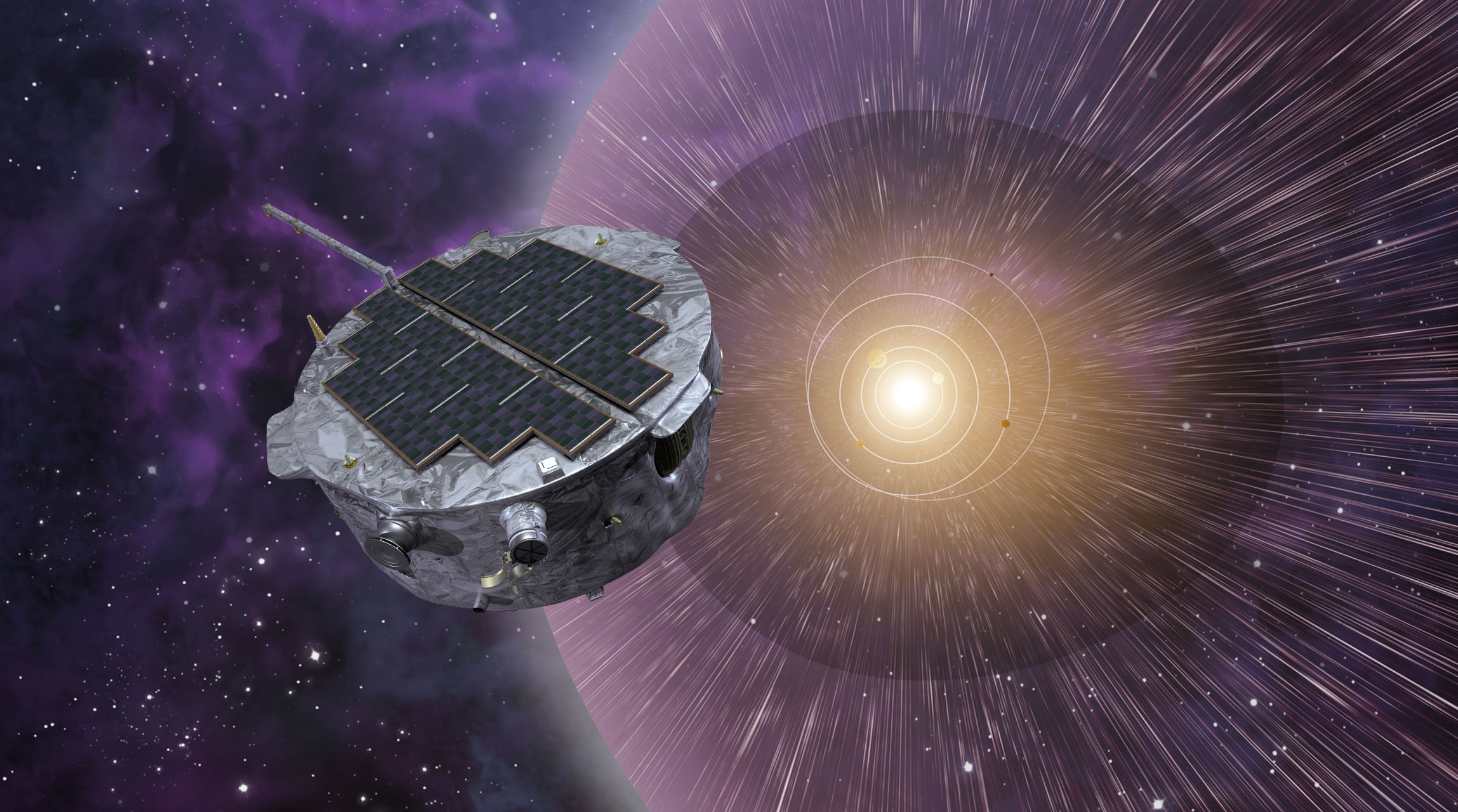
NASA has given Princeton University, Johns Hopkins APL and their many partner institutions the go-ahead to begin implementing the Interstellar Mapping and Acceleration Probe (IMAP), a mission to sample, analyze and map particles streaming to Earth from the edges of interstellar space.
Press Release
Aug 12, 2021
DART Gets Its Wings: Spacecraft Integrated with Innovative Solar Array Technology and Camera
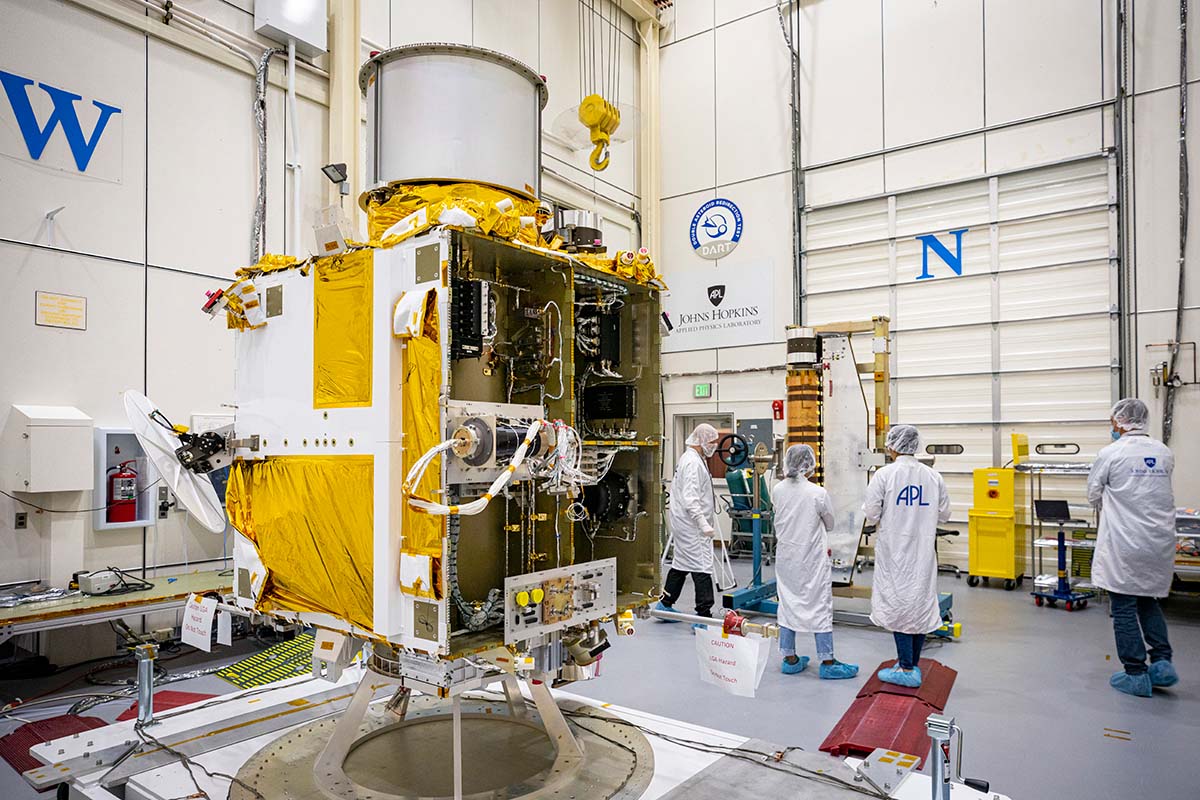
The DART spacecraft's recently installed Roll-Out Solar Arrays and DRACO imager are two critical technologies that will enable the spacecraft to navigate through space and effectively reach the Didymos system as part of a carefully planned asteroid deflection experiment.
Press Release
Aug 9, 2021
Division for Planetary Sciences Honors Johns Hopkins APL’s Turtle for Career Contributions
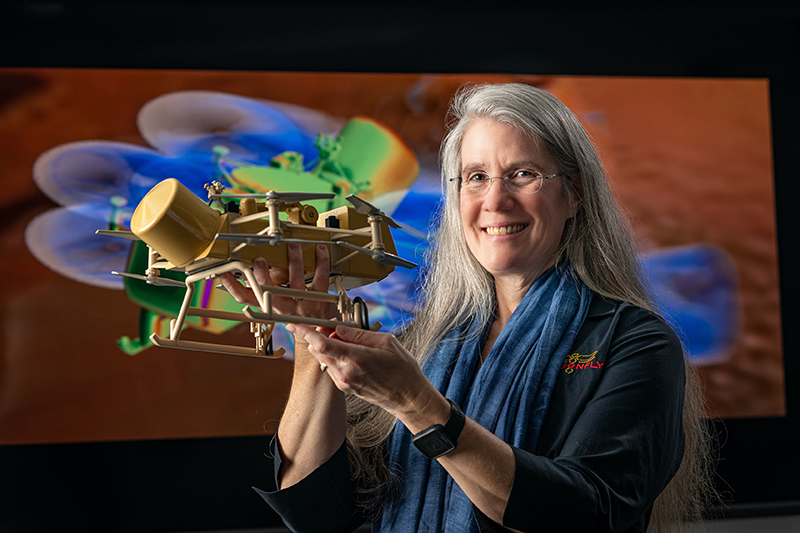
APL planetary scientist Elizabeth “Zibi” Turtle has been awarded the inaugural Claudia J. Alexander Prize by the American Astronomical Society’s Division for Planetary Sciences.
News
Aug 9, 2021
A Few Steps Closer to Europa: Spacecraft Hardware Makes Headway
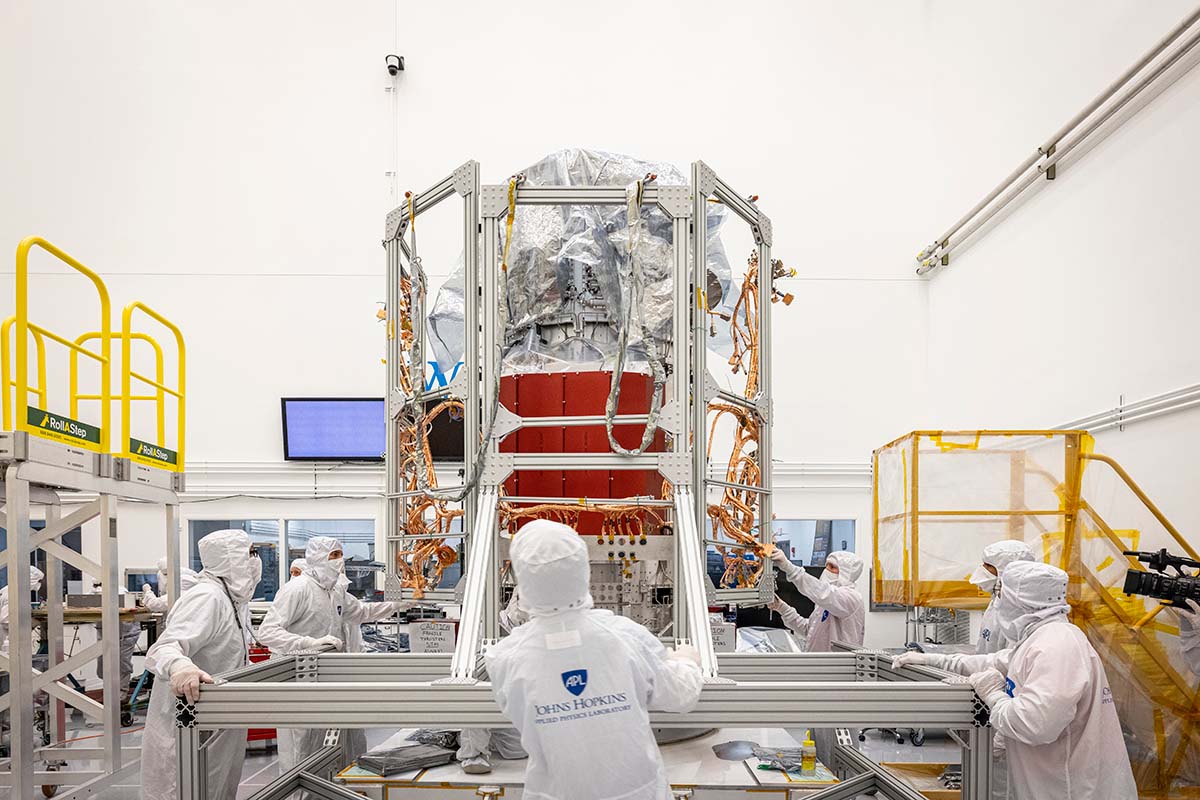
Key elements of the Europa Clipper spacecraft — which Johns Hopkins APL is developing in partnership with NASA’s Jet Propulsion Laboratory — are coming together in clean rooms across the country.
Press Release
Aug 4, 2021
Johns Hopkins APL Earns Third Straight Selection to Fast Company’s Best Workplaces for Innovators List
For the third consecutive year, APL secured a spot on Fast Company's Best Workplaces for Innovators list, joining businesses and organizations around the globe honored for demonstrating a deep commitment to encouraging innovation at all levels.
Press Release
Jul 26, 2021
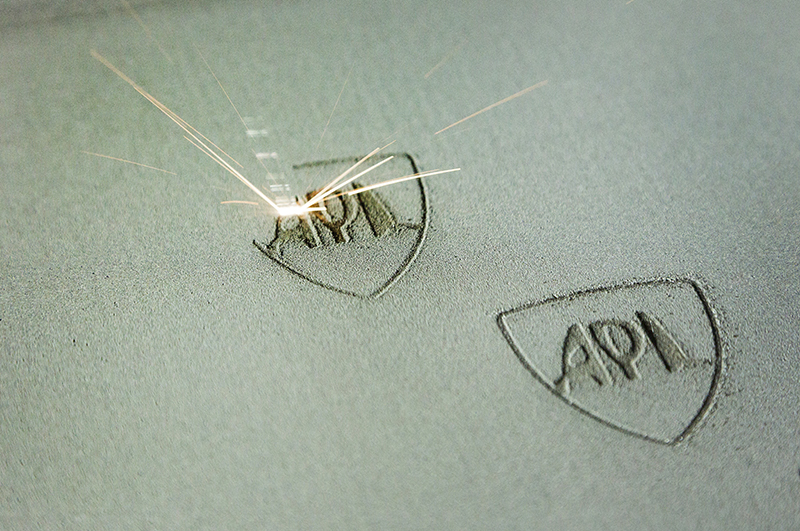
Finer Flaws: Exploring the Advantages of Defects in Laser Manufactured Materials
Johns Hopkins APL researchers set out to better understand the influence of different defects on the mechanical performance of additively manufactured materials. In a recent journal article, they provide data to help understand the effects of defects and enable decision-making.
Press Release
Jul 22, 2021
Johns Hopkins APL, Amazon Partner to Accelerate Access to High-Res Brain Mapping Data
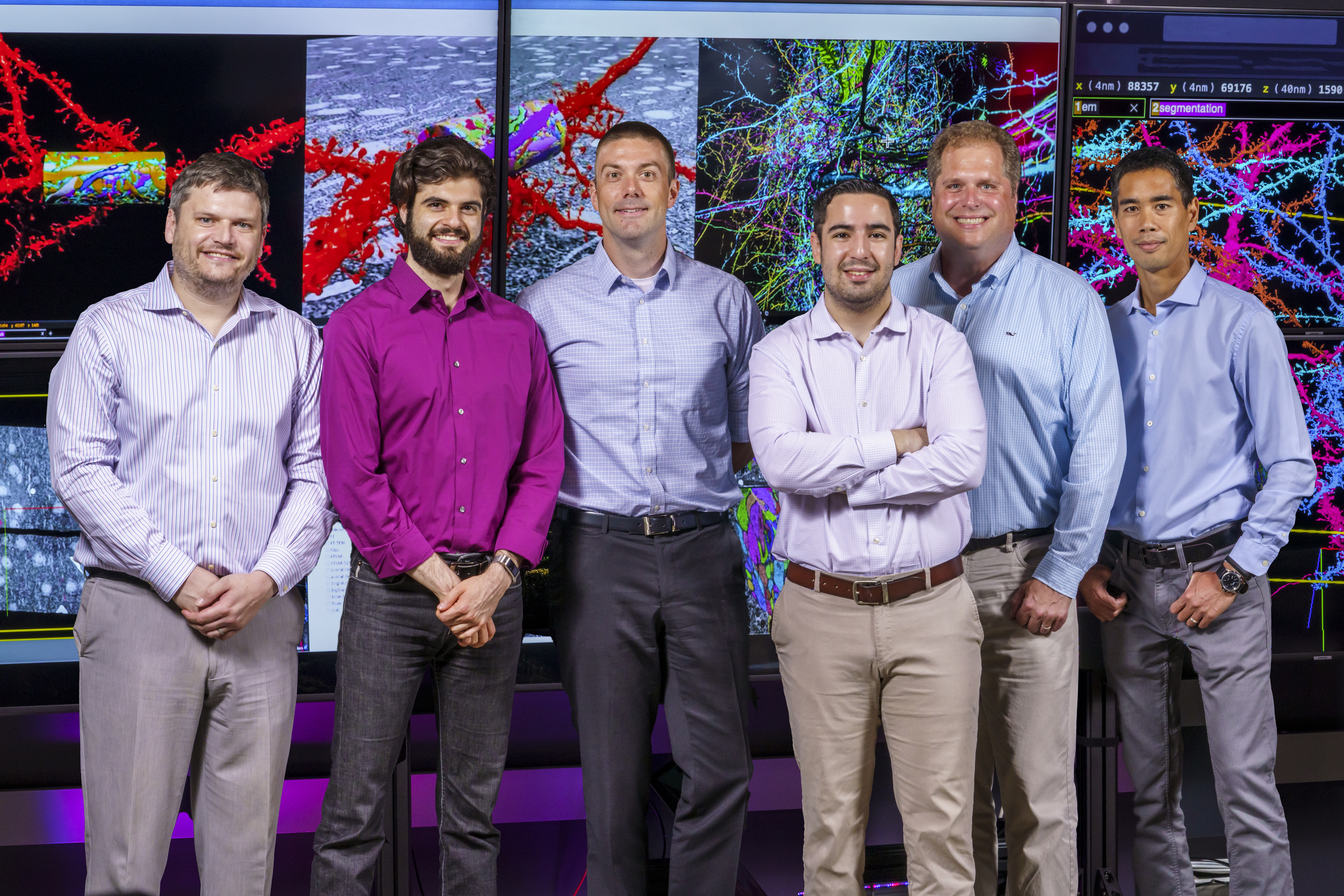
An expanded collaboration between APL and the Amazon Web Services' Open Data Sponsorship Program will further enable the storage and accessibility of ever-expanding neuroimaging datasets generated by the neuroscience research community.
News
Jul 22, 2021
Johns Hopkins APL Board of Managers Welcomes New Chair Murren and New Member Barber; Bids Farewell to Outgoing Chair Hankin
After six years as chair of APL's board of managers, Michael Hankin closed out his term on June 30, making way for new chair Heather Murren. Jeffrey Barber has also joined the board.

Press Release
Jul 19, 2021
‘Radar Fanatic’ Status Lands APL’s Smith Role as Journal Editor
Graeme Smith is passionate about sharing knowledge and inspiring others. Serving as an associate editor for IEEE’s Transactions on Aerospace and Electronic Systems allows him to contribute to the field and advocate for Johns Hopkins APL.