Critical Contributions to Critical Challenges

Strategic Technology Solutions
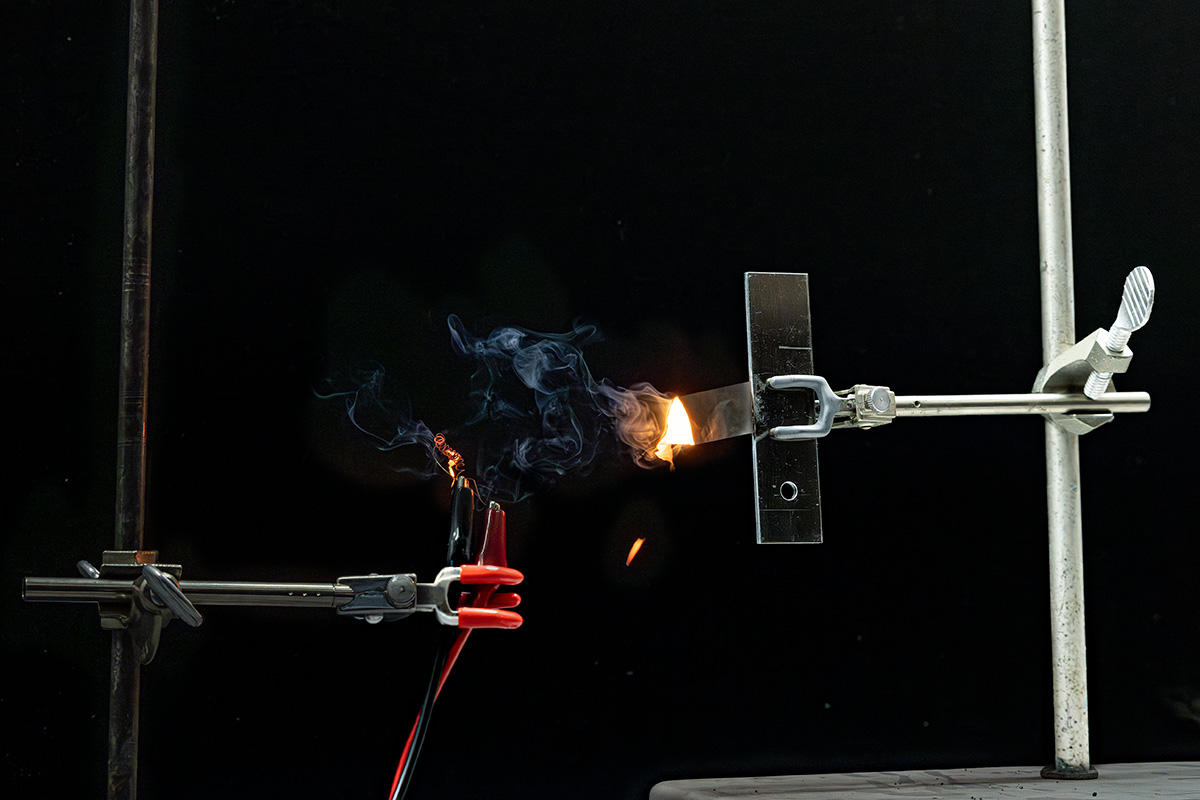
Johns Hopkins APL leverages world-class talent and facilities to conceive and mature critical innovations across multi-domain missions spanning deep sea to space. Learn more about our capabilities in scaled hypersonics, contested logistics technologies, applied artificial intelligence, quantum and battlefield information dominance, biomanufacturing, and scaled directed energy.
Neural Interfaces
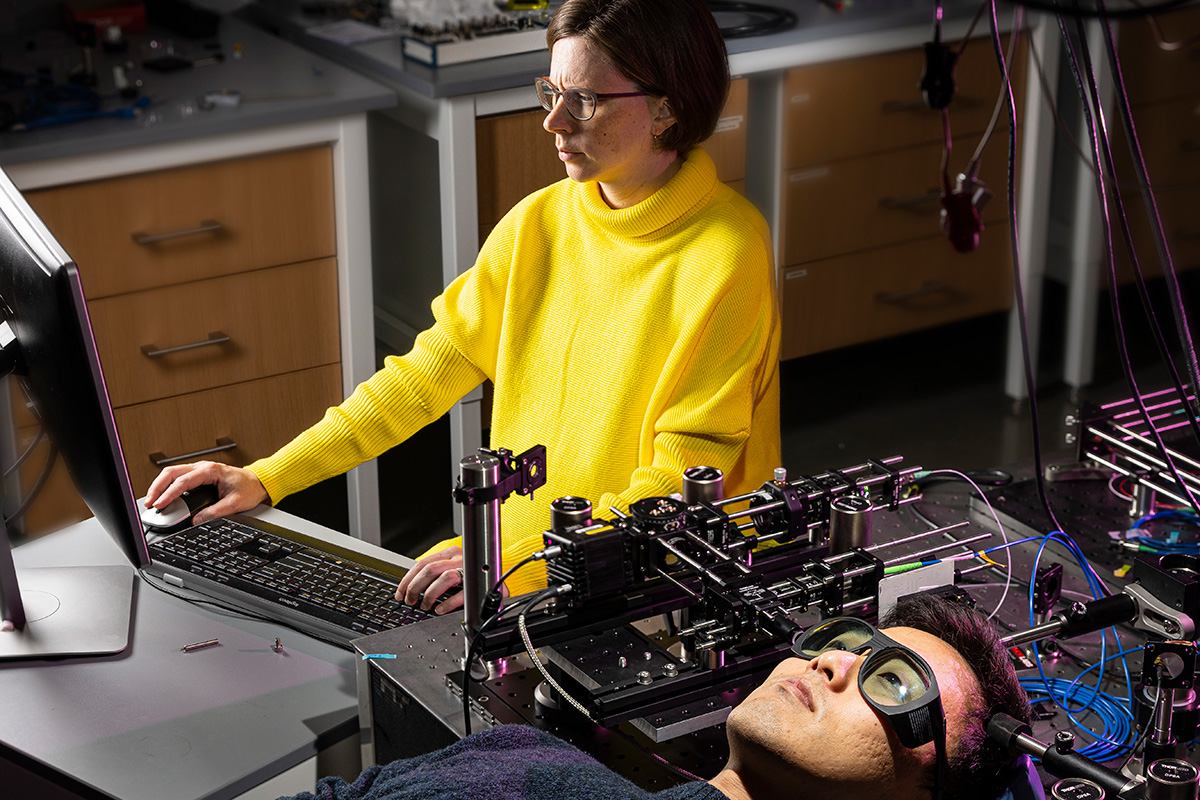
Directly interfacing with the nervous system to restore lost functions and enhance human capability
AI for Complex Systems
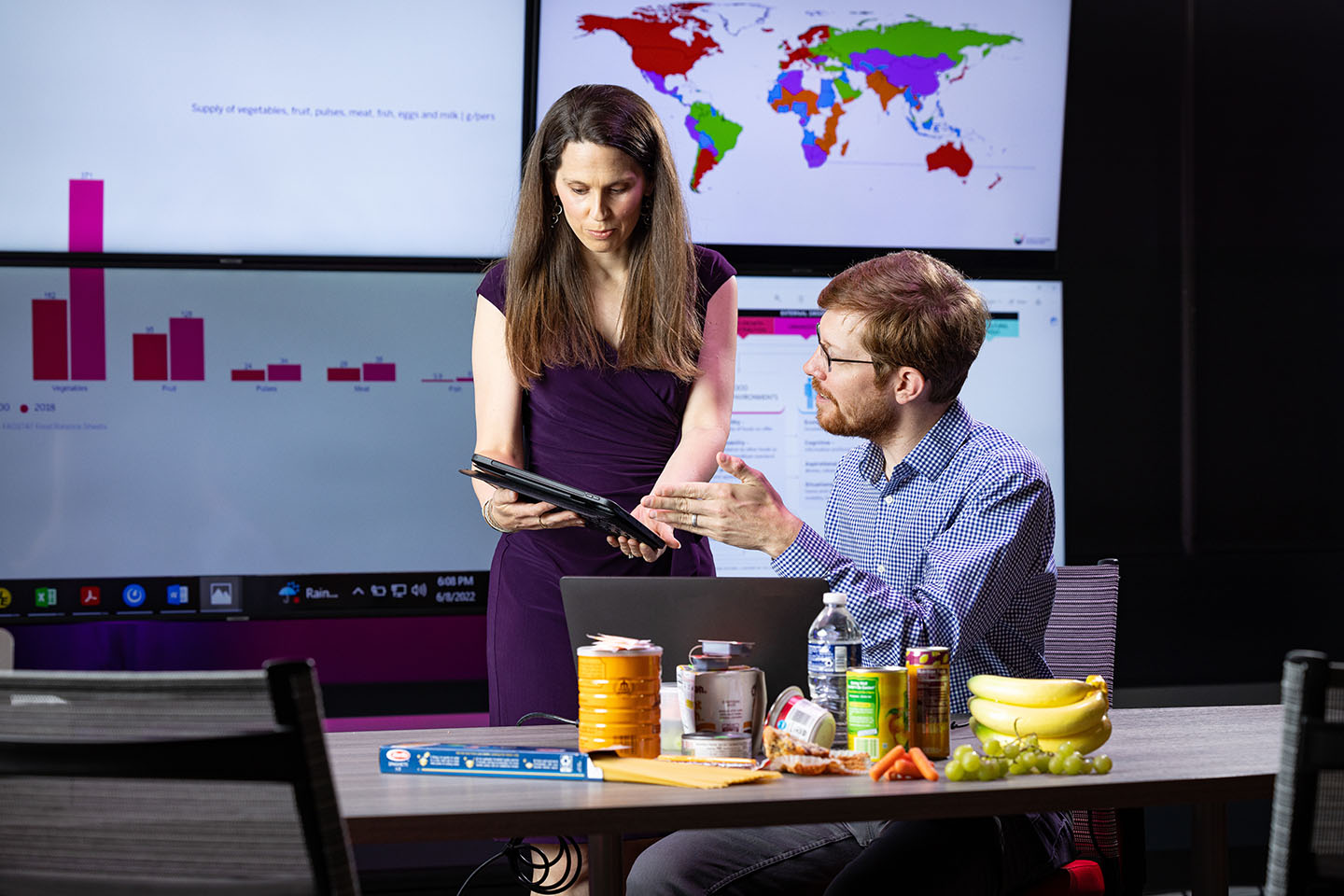
Leveraging the power of artificial intelligence and mathematics to spur innovation and novel solutions to challenges at the intersection of Earth systems and national security
Lifelong Learning Machines
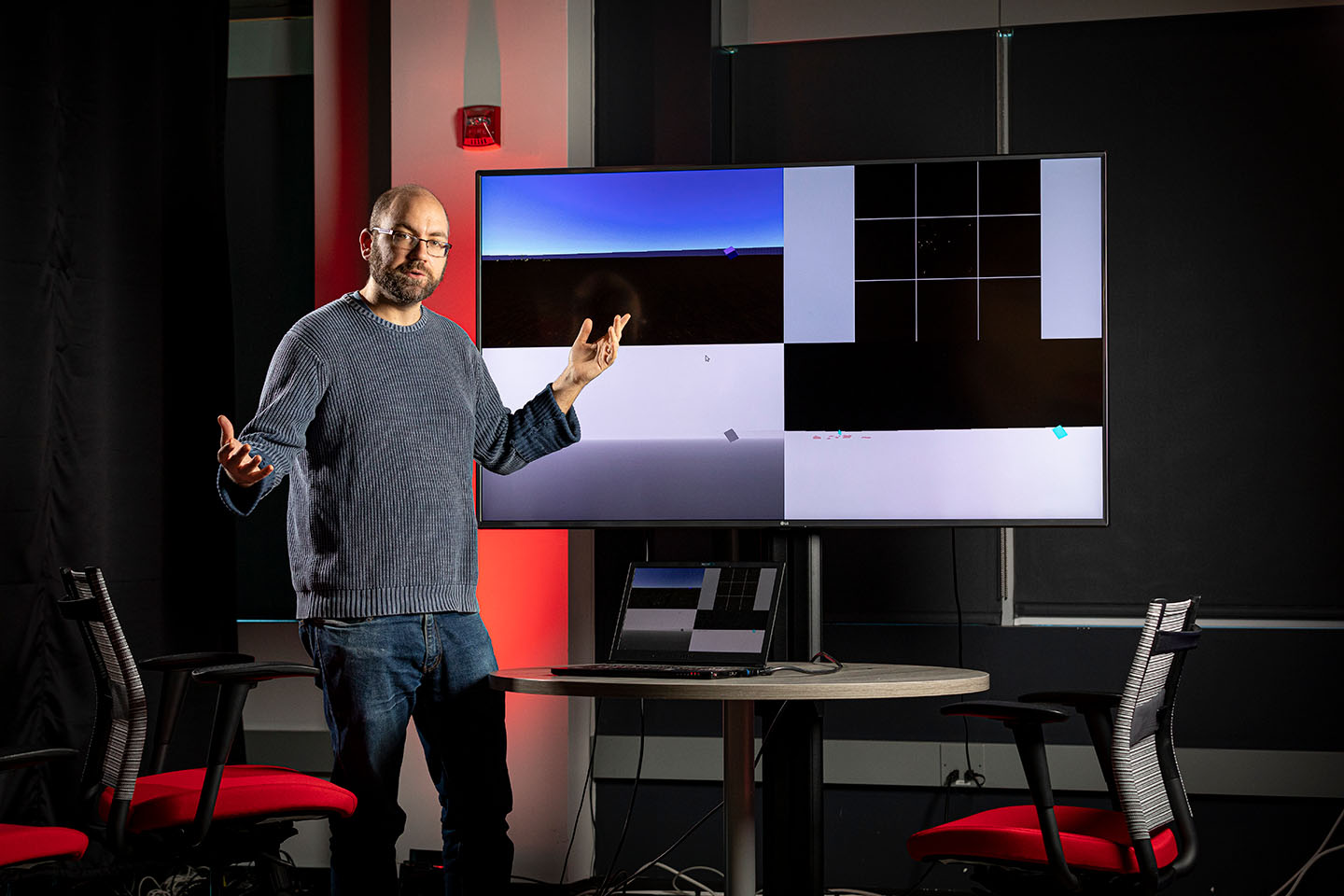
Enabling intelligent systems that continuously adapt to changing conditions and missions in the real world
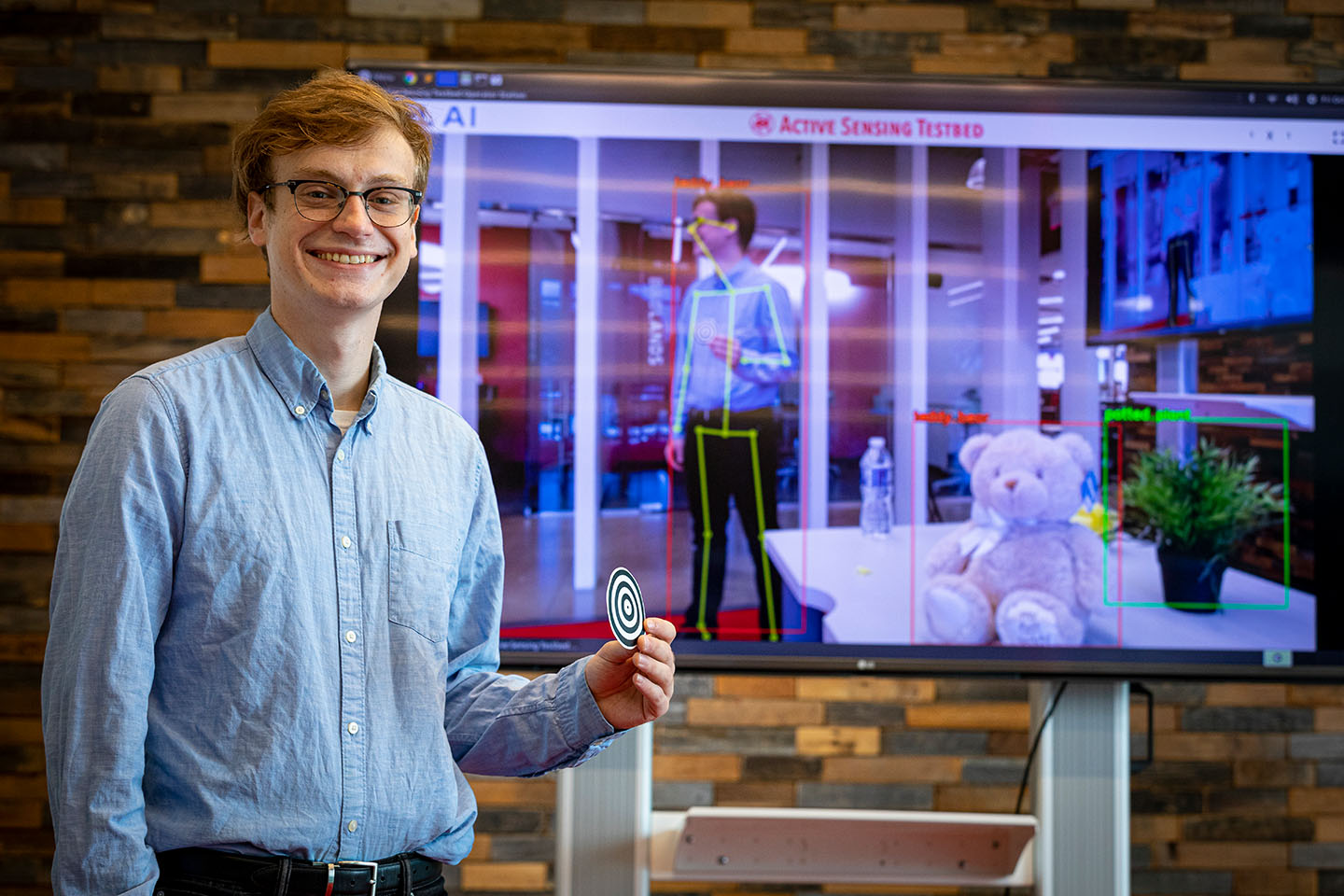
Robust and Resilient Artificial Intelligence
Developing the next generation of intelligent systems for missions characterized by uncertain, dynamic, and adversarial environments
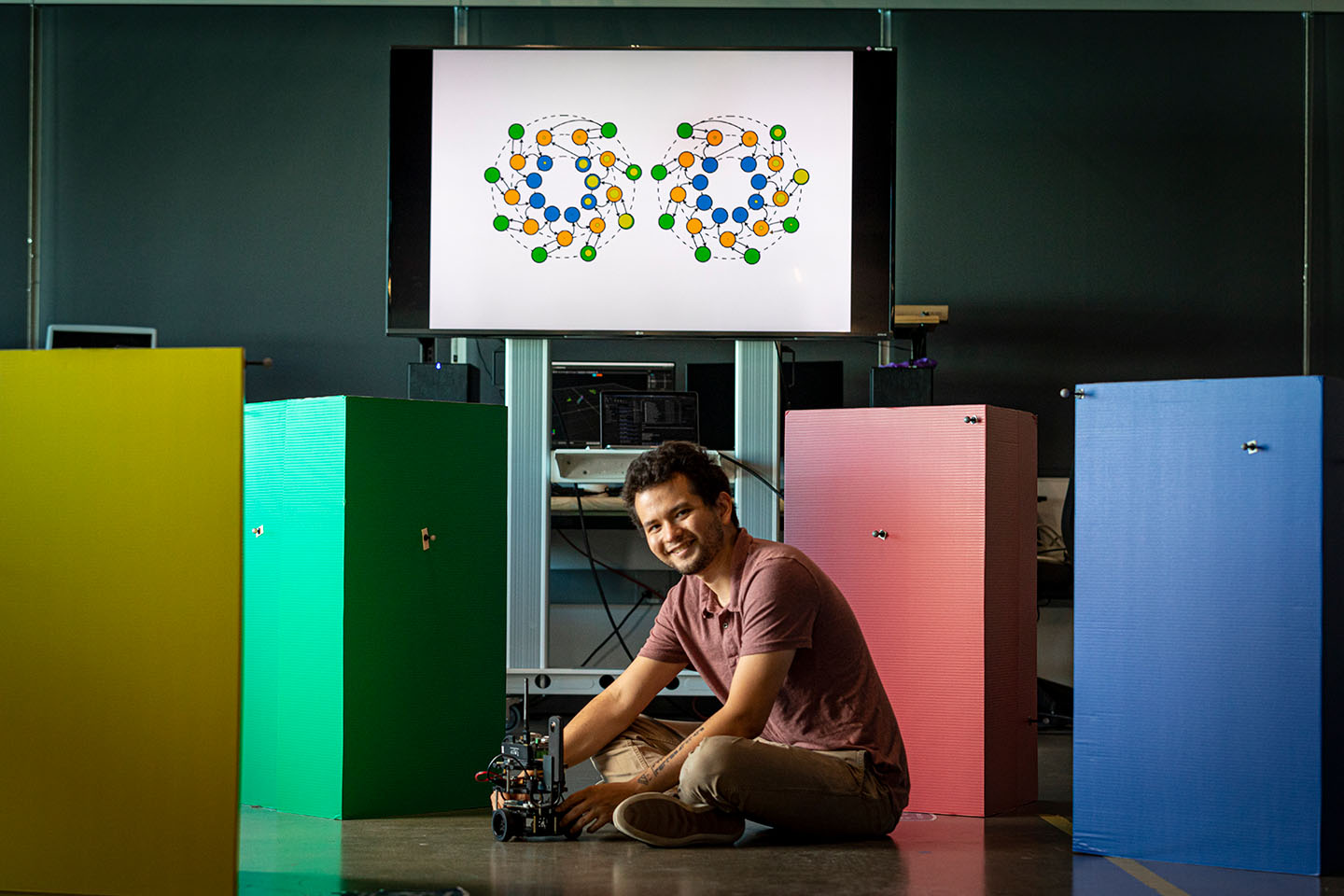
Neuroscience-Inspired Artificial Intelligence
Developing next-generation algorithms and computing substrates that leverage neurobiology to revolutionize intelligent systems
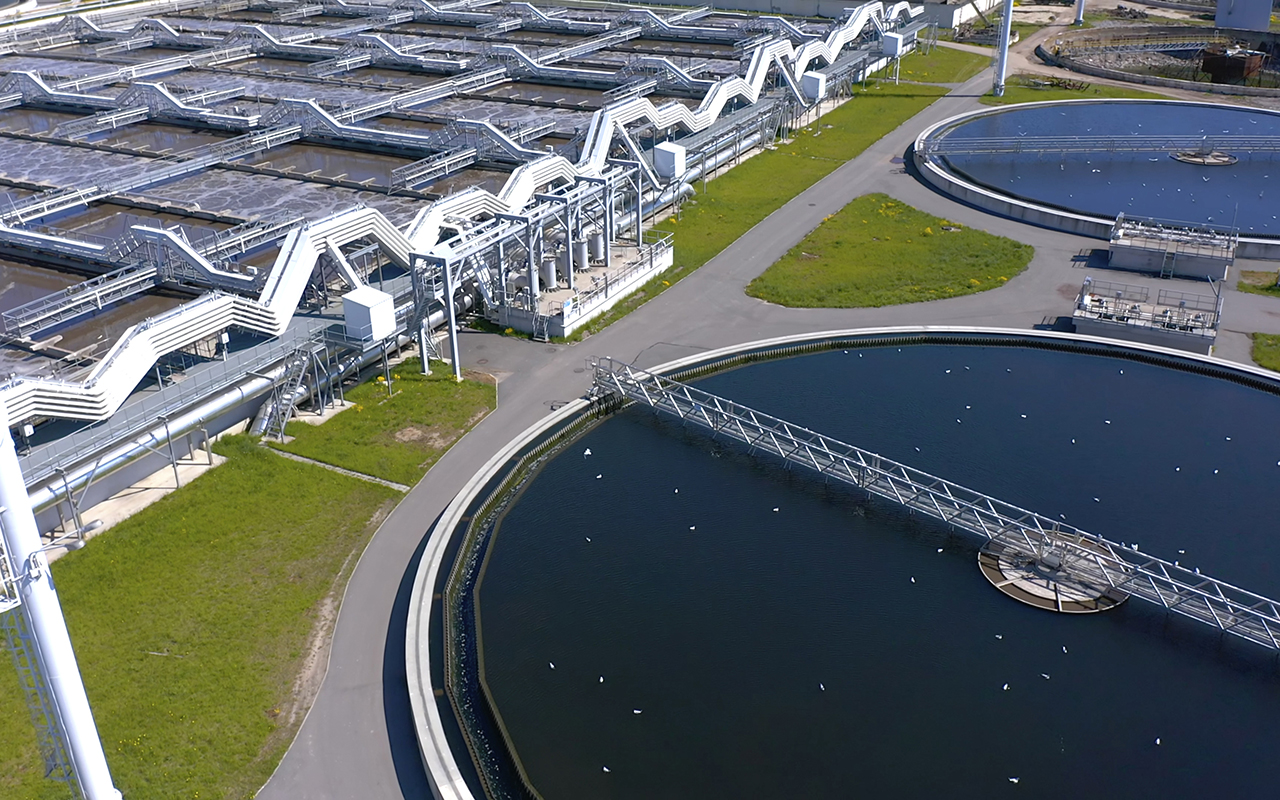
MOSAICS: Cyber Defense for Industrial Control Systems
APL is leading the development of the first-ever comprehensive, integrated, and automated solution for industrial control system cybersecurity.

Golden Horde
Achieving networked, collaborative offensive weapons systems that will learn from their environment and autonomously work together to defeat integrated air and missile defenses.
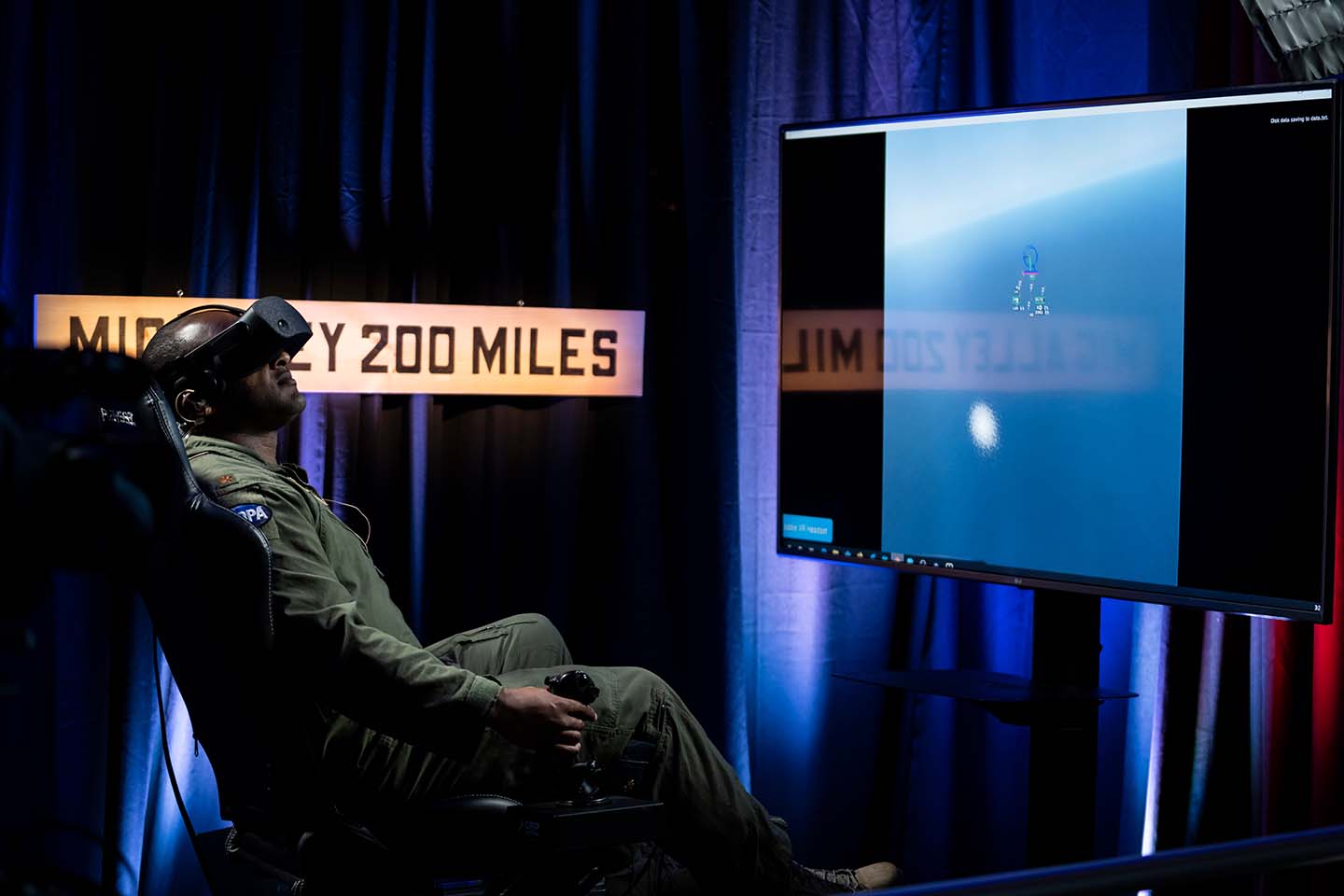
AlphaDogfight Trials
APL served as a core member of the Air Combat Evolution program team created by the Defense Advanced Research Projects Agency (DARPA) for the 2020 AlphaDogfight Trials, a showdown between eight AI research teams from across the United States.
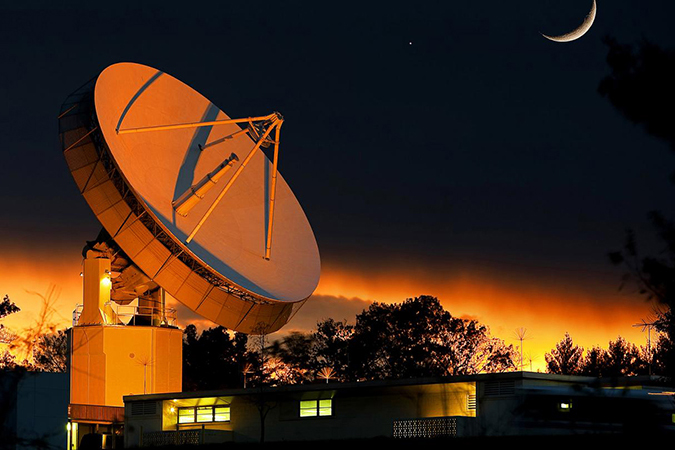
Preventing Traffic Jams in Space
Providing greater situational awareness to enhance safety and security for those who plan to operate in cislunar space and on the Moon.
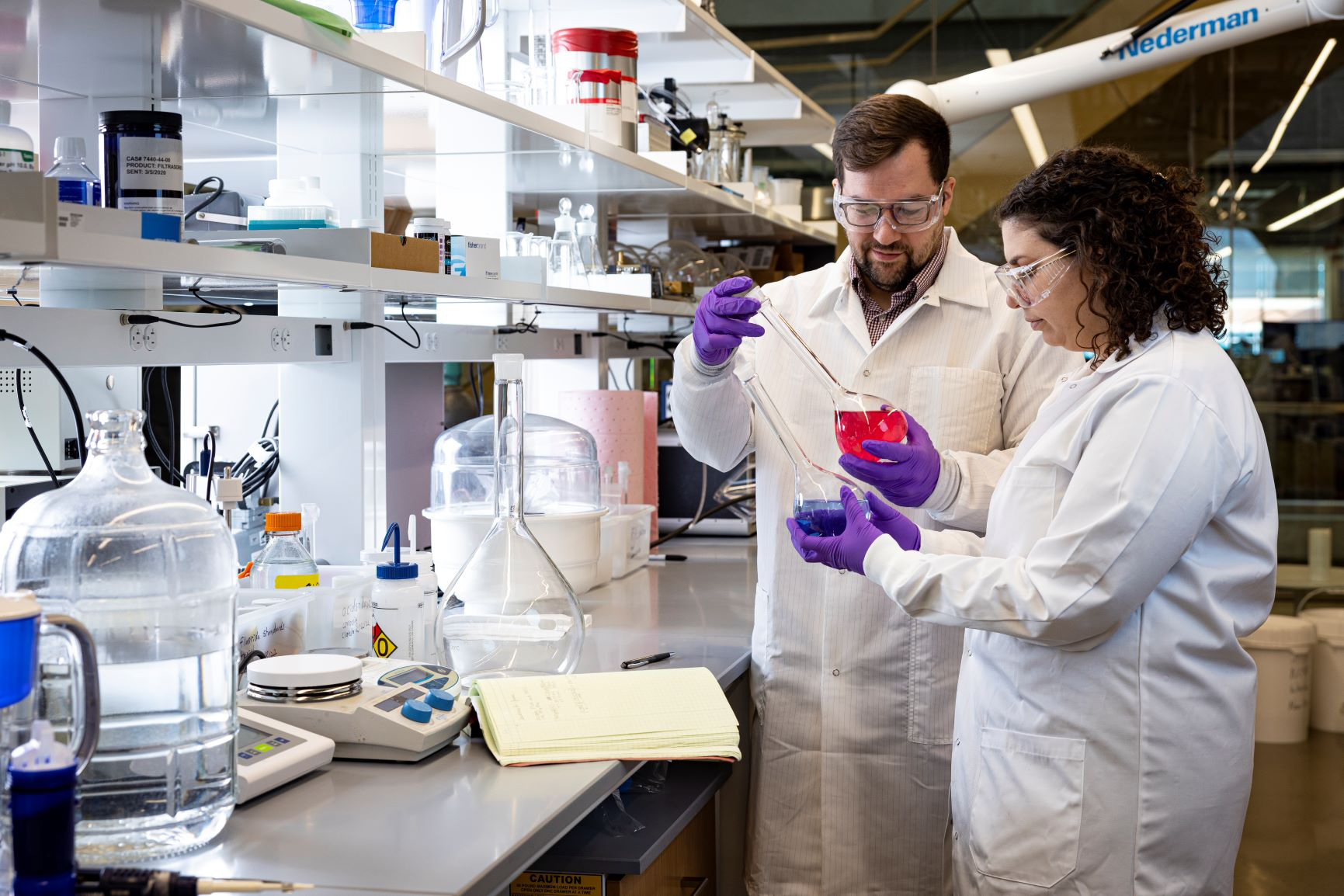
Eliminating Forever Chemicals
Multiple studies have linked PFAS exposure to harmful health effects in humans and animals, and without a natural way to break them down, the chemicals persist in soil and contaminate the environment — including water. APL scientists are developing several technologies to capture and destroy these “forever chemicals.”
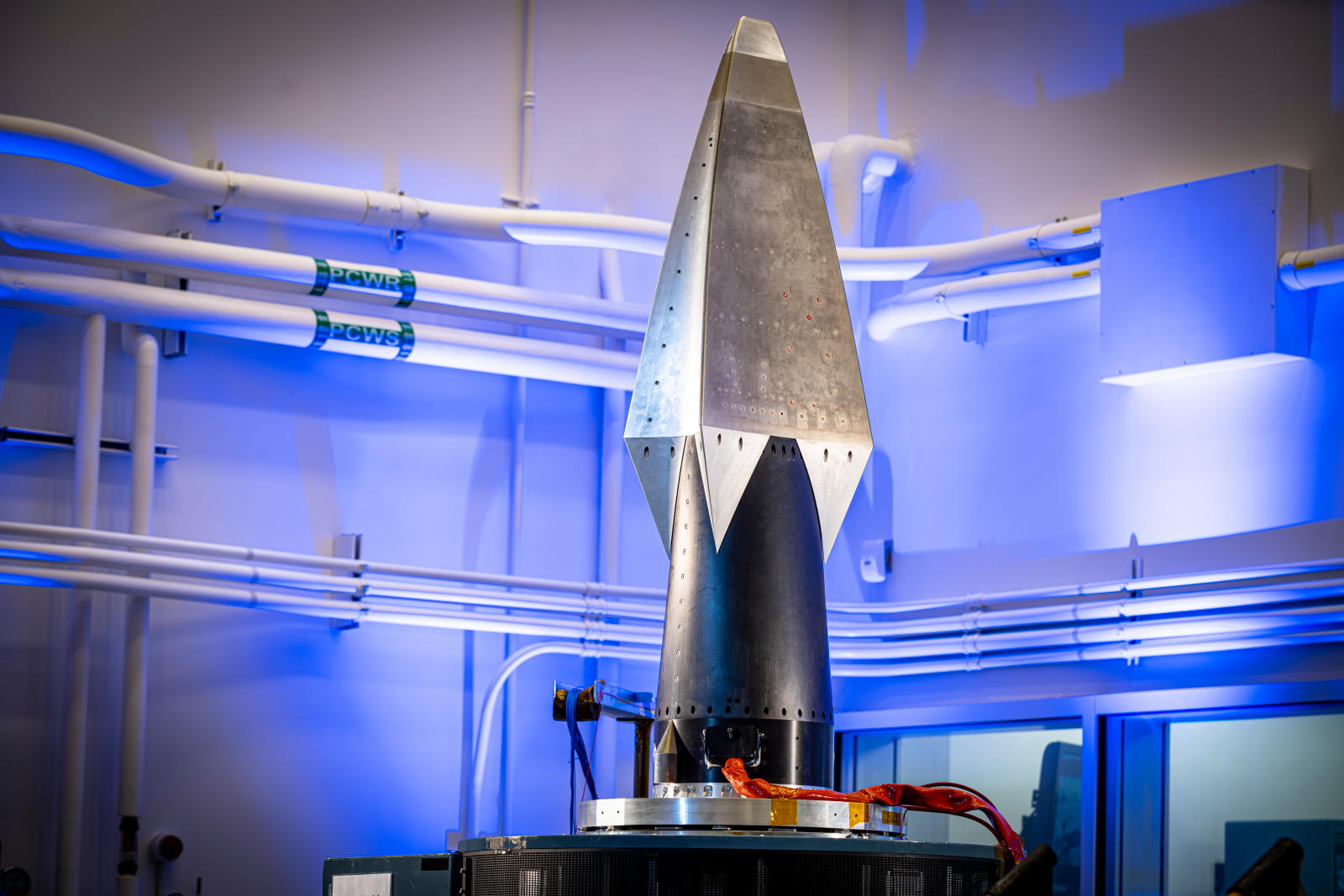
Boundary Layer Transition (BOLT)
Advancing hypersonic vehicle design through boundary layer transition research
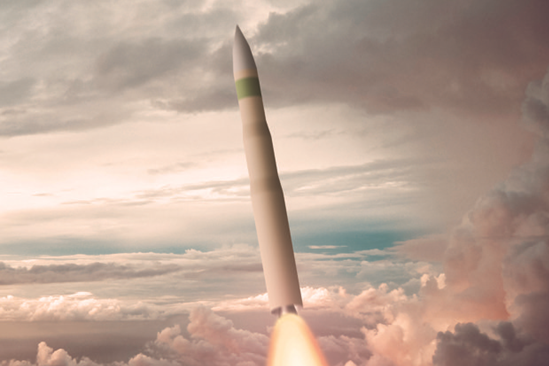
Ground-Based Strategic Deterrent
APL has a significant evaluation role in the Air Force program to replace the aging Minuteman III system.