Critical Contributions to Critical Challenges

Strategic Technology Solutions
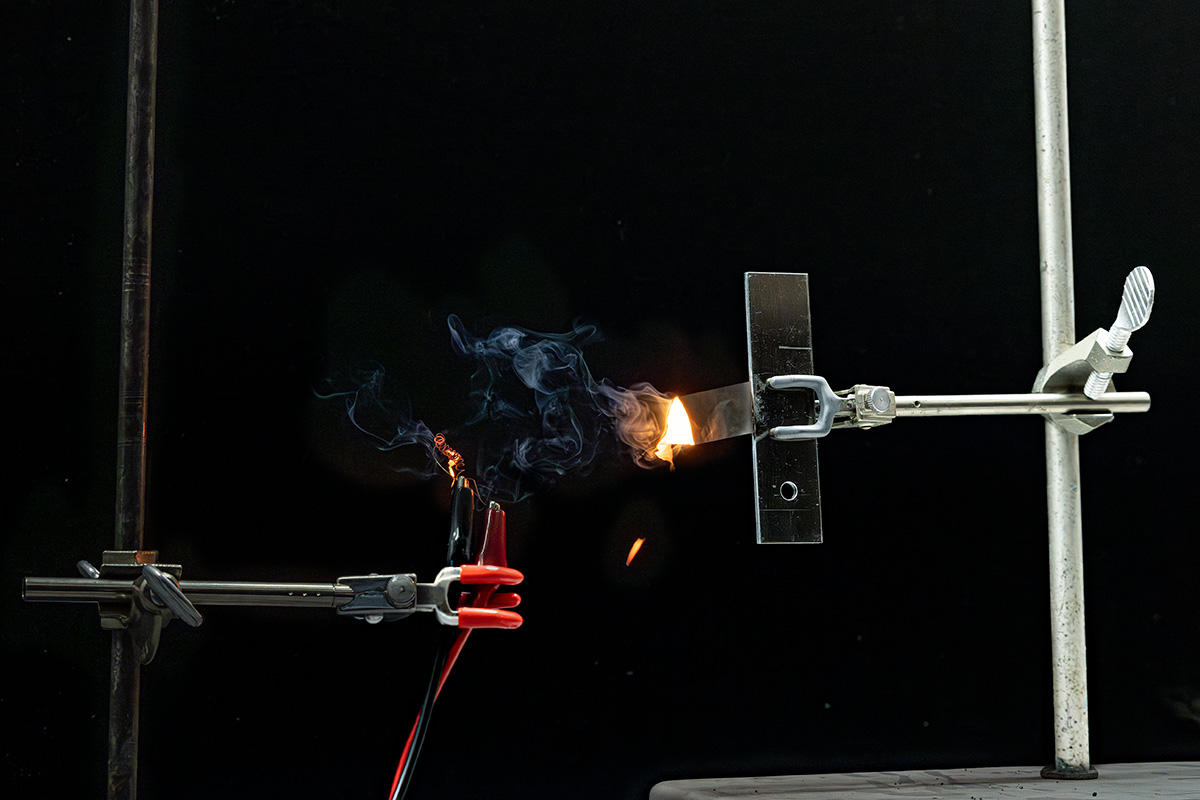
Johns Hopkins APL leverages world-class talent and facilities to conceive and mature critical innovations across multi-domain missions spanning deep sea to space. Learn more about our capabilities in scaled hypersonics, contested logistics technologies, applied artificial intelligence, quantum and battlefield information dominance, biomanufacturing, and scaled directed energy.
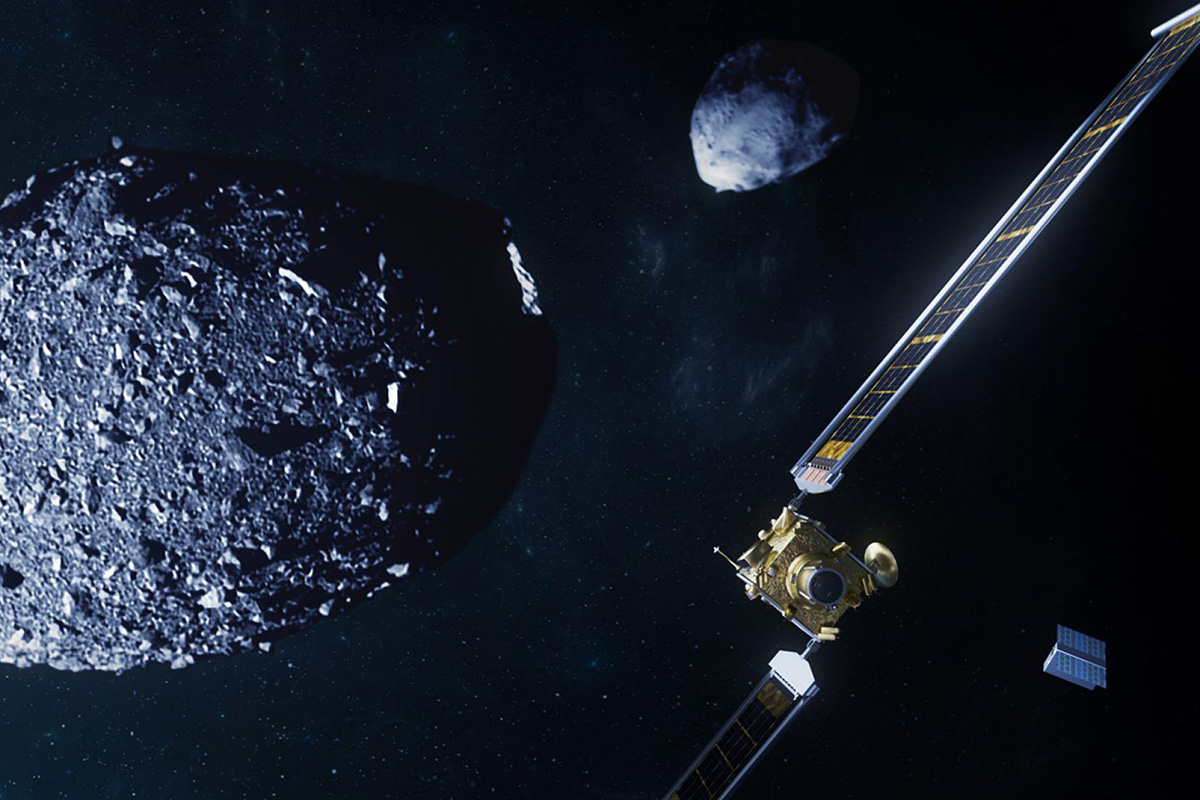
DART
The Double Asteroid Redirection Test (DART) was NASA’s first planetary defense test mission.
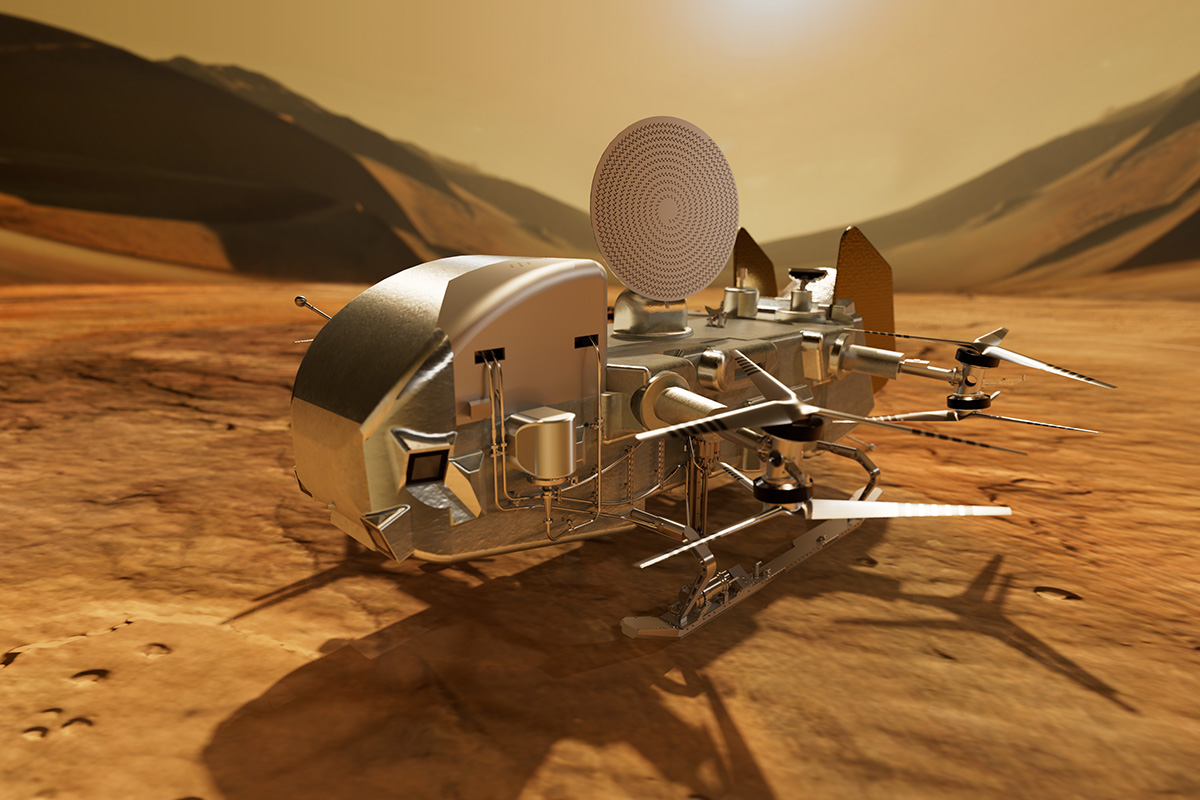
Dragonfly
Dragonfly is a NASA New Frontiers mission that will send a rotorcraft lander to explore the prebiotic chemistry and habitability of Saturn’s largest moon, Titan.
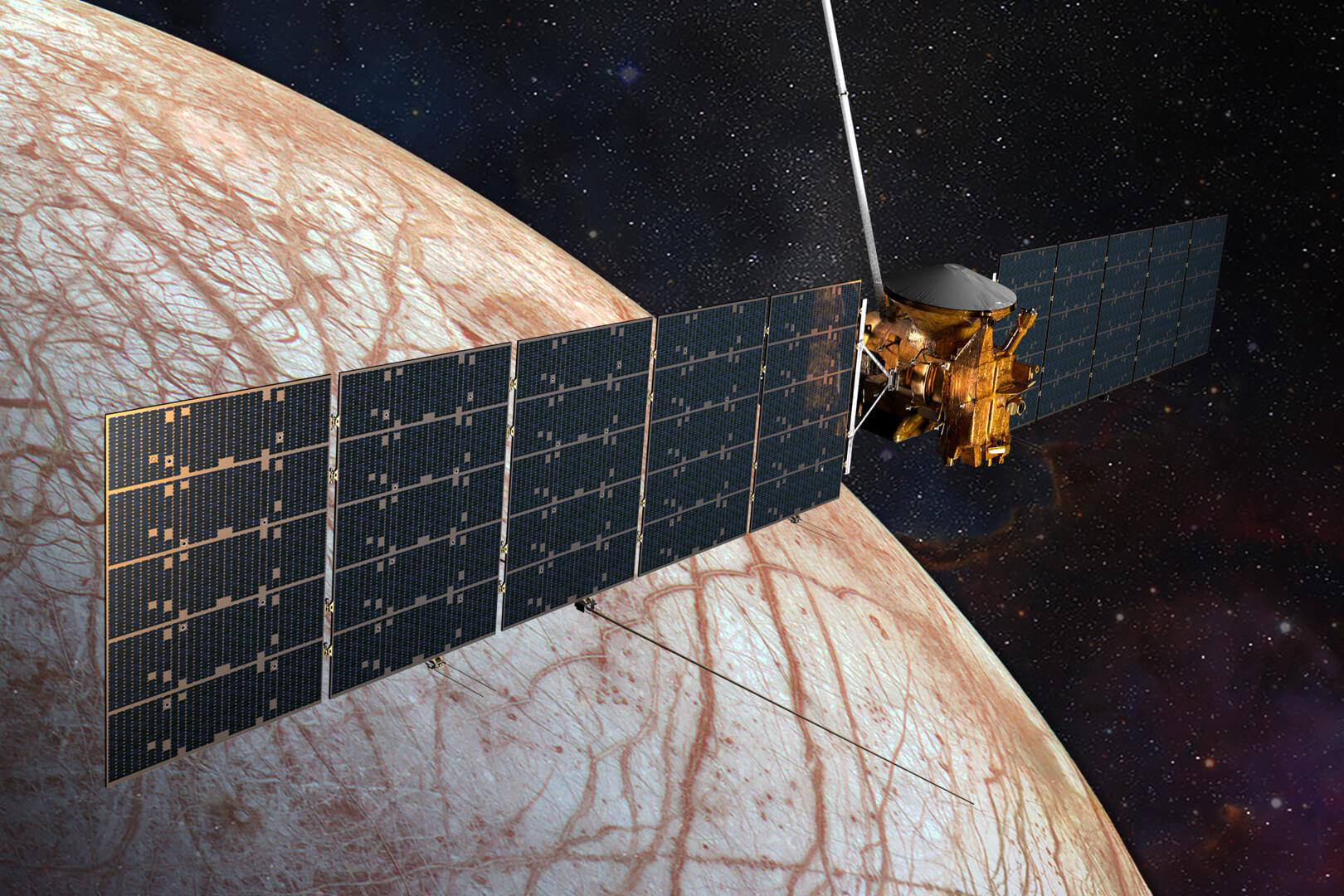
Europa Clipper
A mission to survey Jupiter’s icy moon Europa and determine whether it has conditions suitable to harboring life.
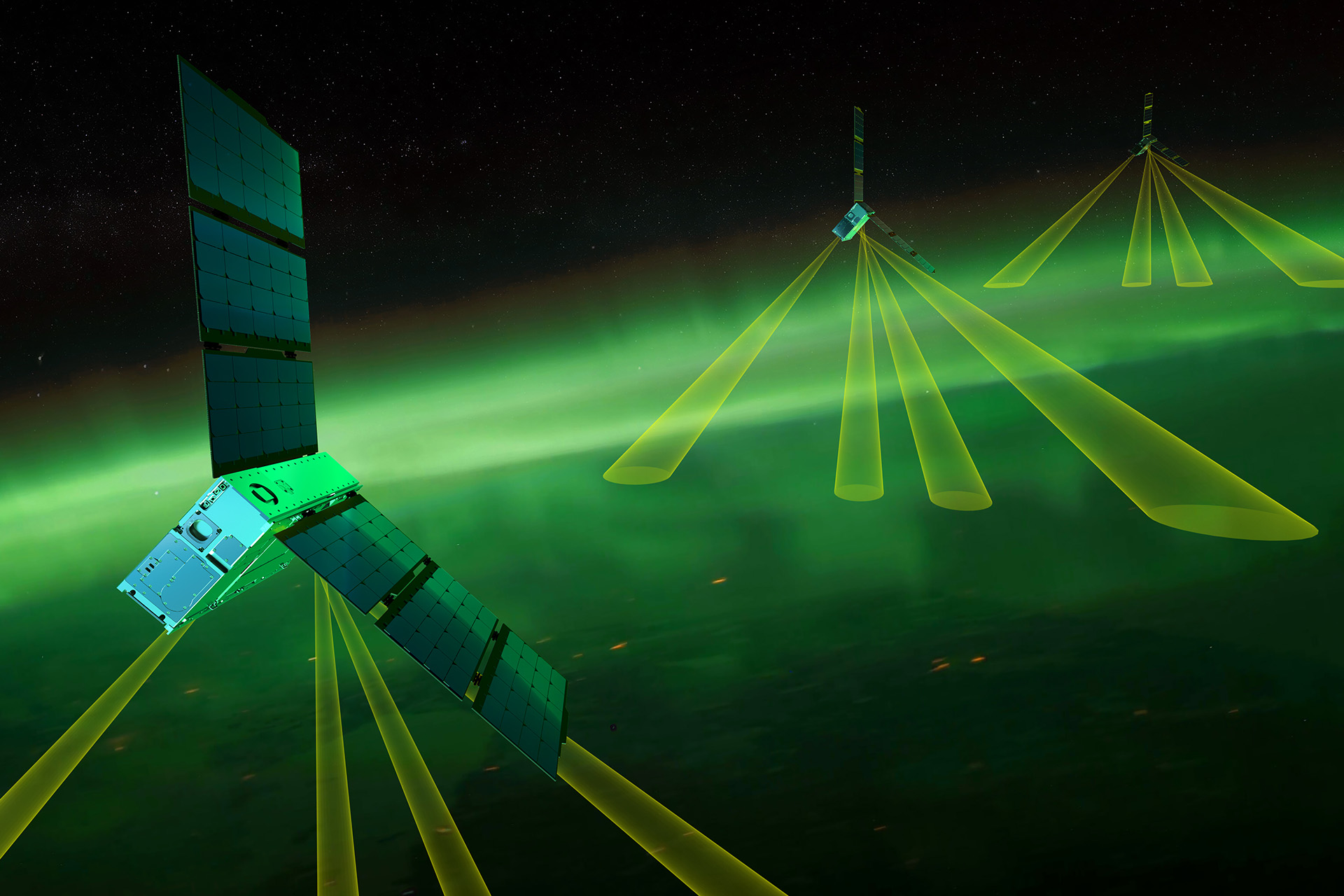
EZIE
The Electrojet Zeeman Imaging Explorer (EZIE) will characterize the electrojets that flow high in Earth’s atmosphere to reveal the underlying processes that form them.
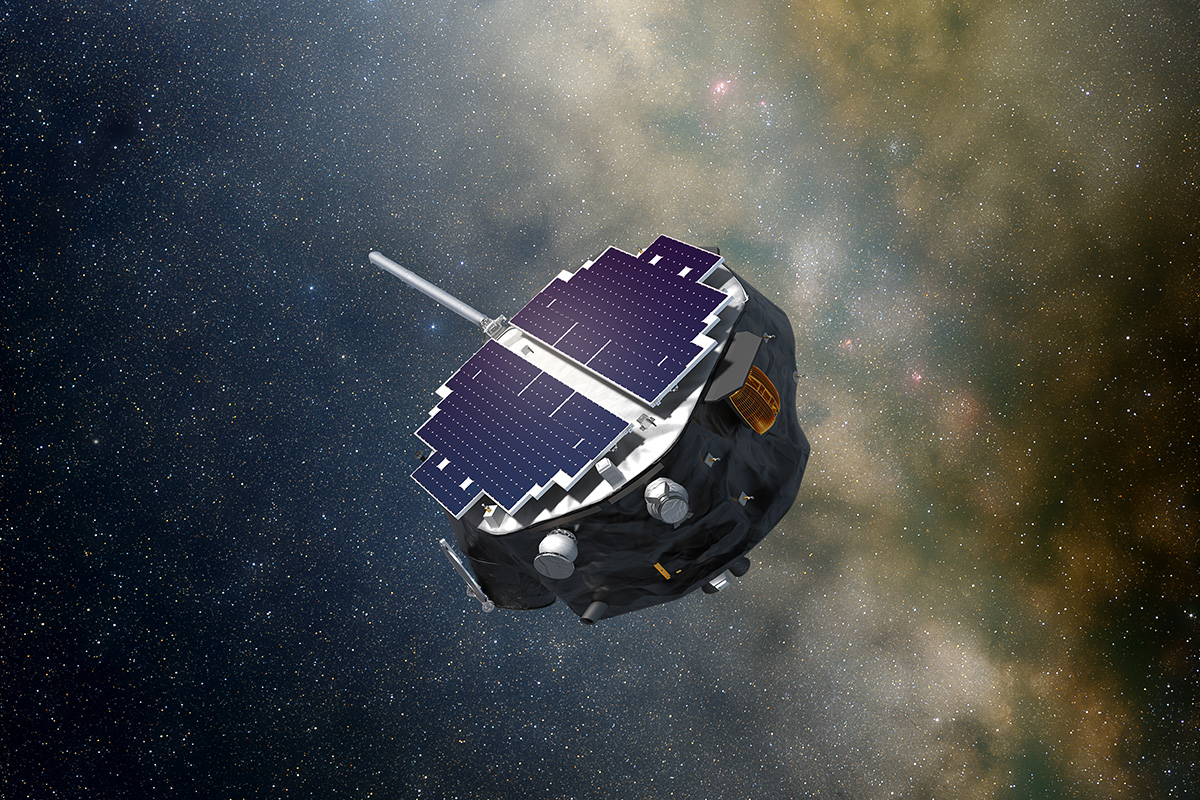
IMAP
NASA’s Interstellar Mapping and Acceleration Probe (IMAP) mission, which APL built in partnership with Principal Investigator David McComas of Princeton University, will study the boundary of our heliosphere, decoding the messages in particles from the Sun and beyond our cosmic shield.
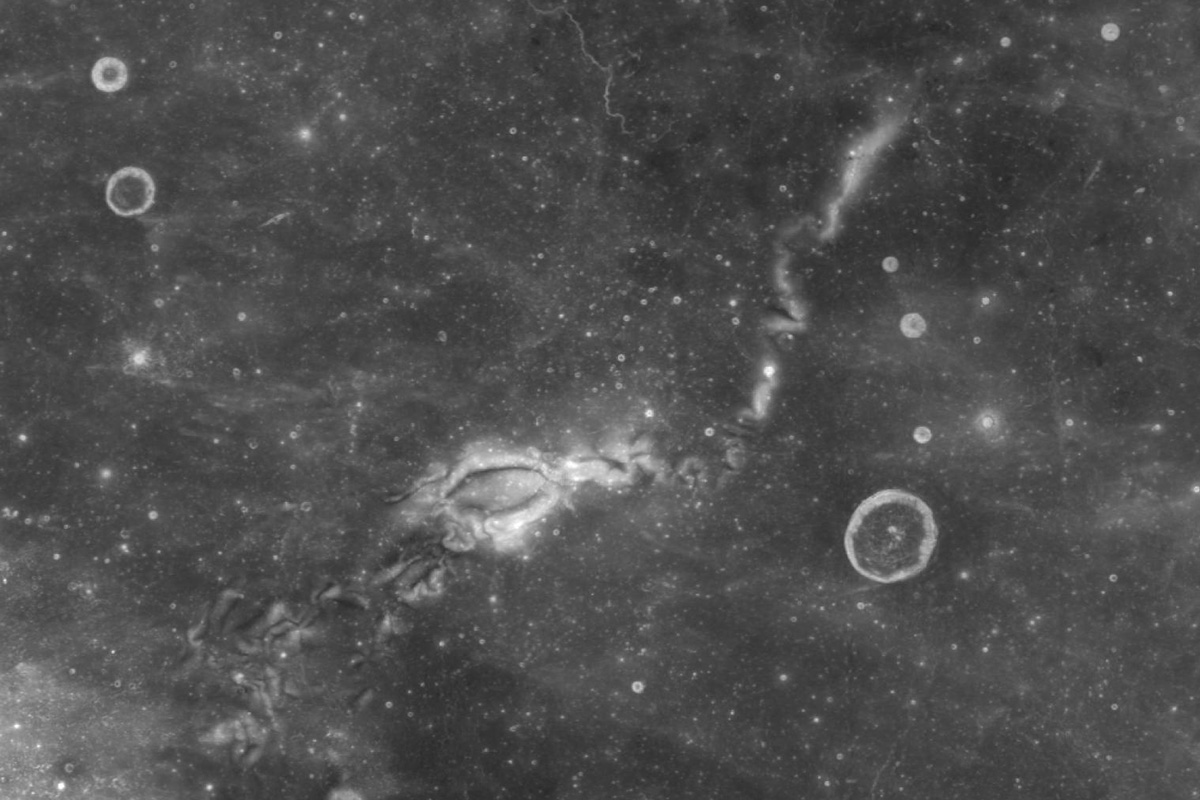
Lunar Vertex
Lunar Vertex will be the first mission to carry out a comprehensive study of lunar magnetic anomaly and the associated swirl and mini-magnetosphere.
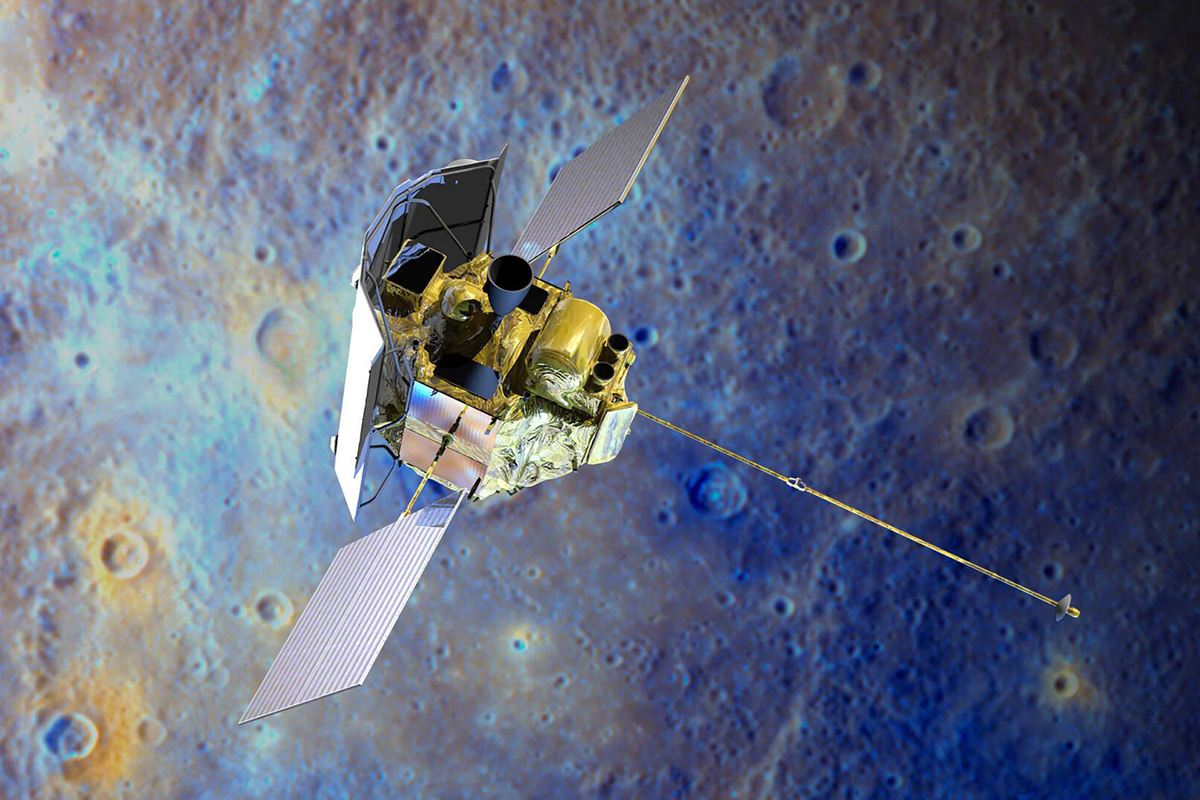
MESSENGER
MErcury Surface, Space ENvironment, GEochemistry, and Ranging (MESSENGER) was the first mission to orbit Mercury, shedding unprecedented light on the origins and evolution of the innermost planet.
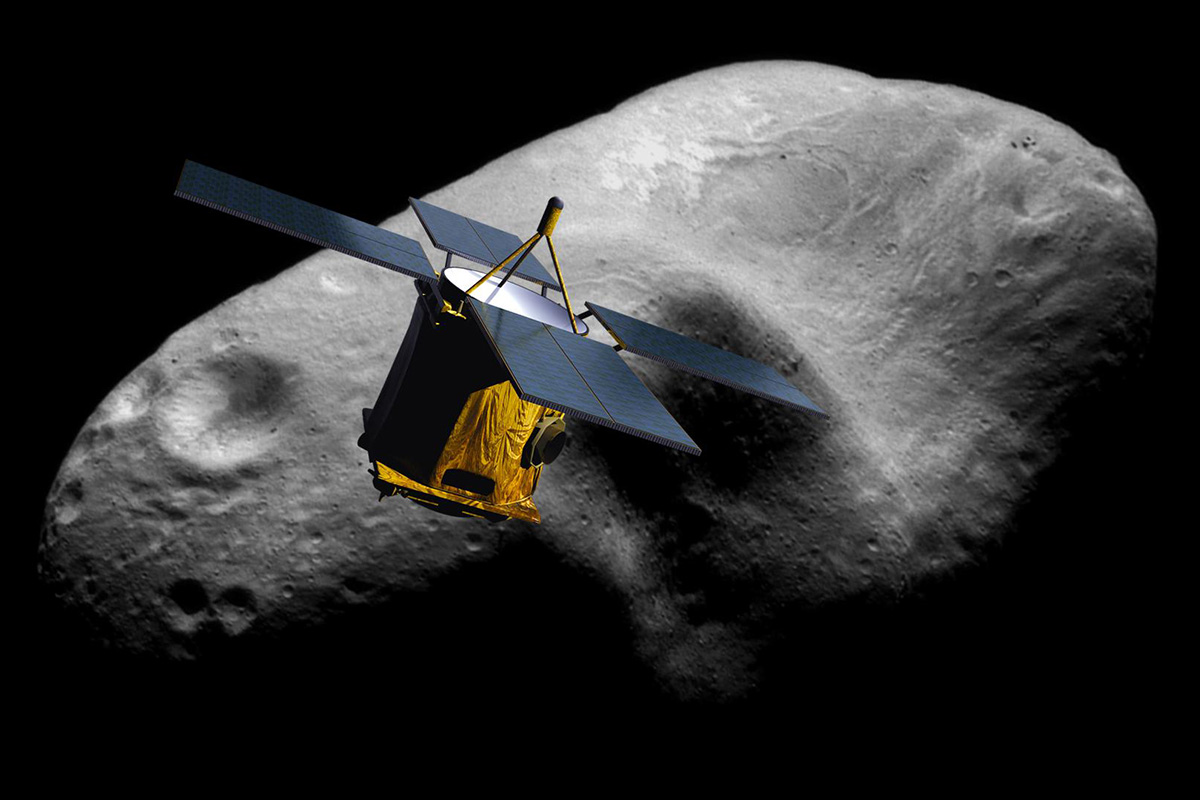
NEAR
The first launch in NASA’s Discovery program, the Near Earth Asteroid Rendezvous (NEAR) was the first mission to orbit and land on an asteroid.
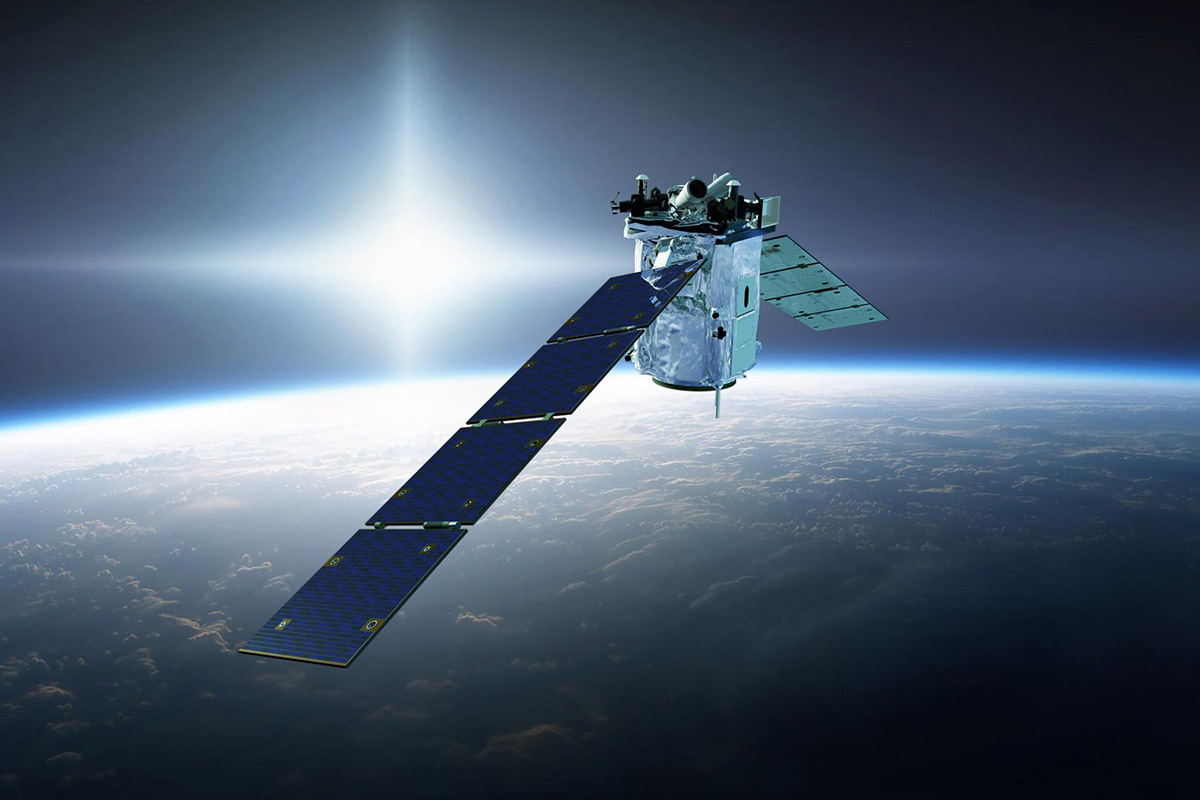
TIMED
For nearly two decades, the Thermosphere, Ionosphere, Mesosphere Energetics and Dynamics (TIMED) mission has explored the gateway between Earth and space.
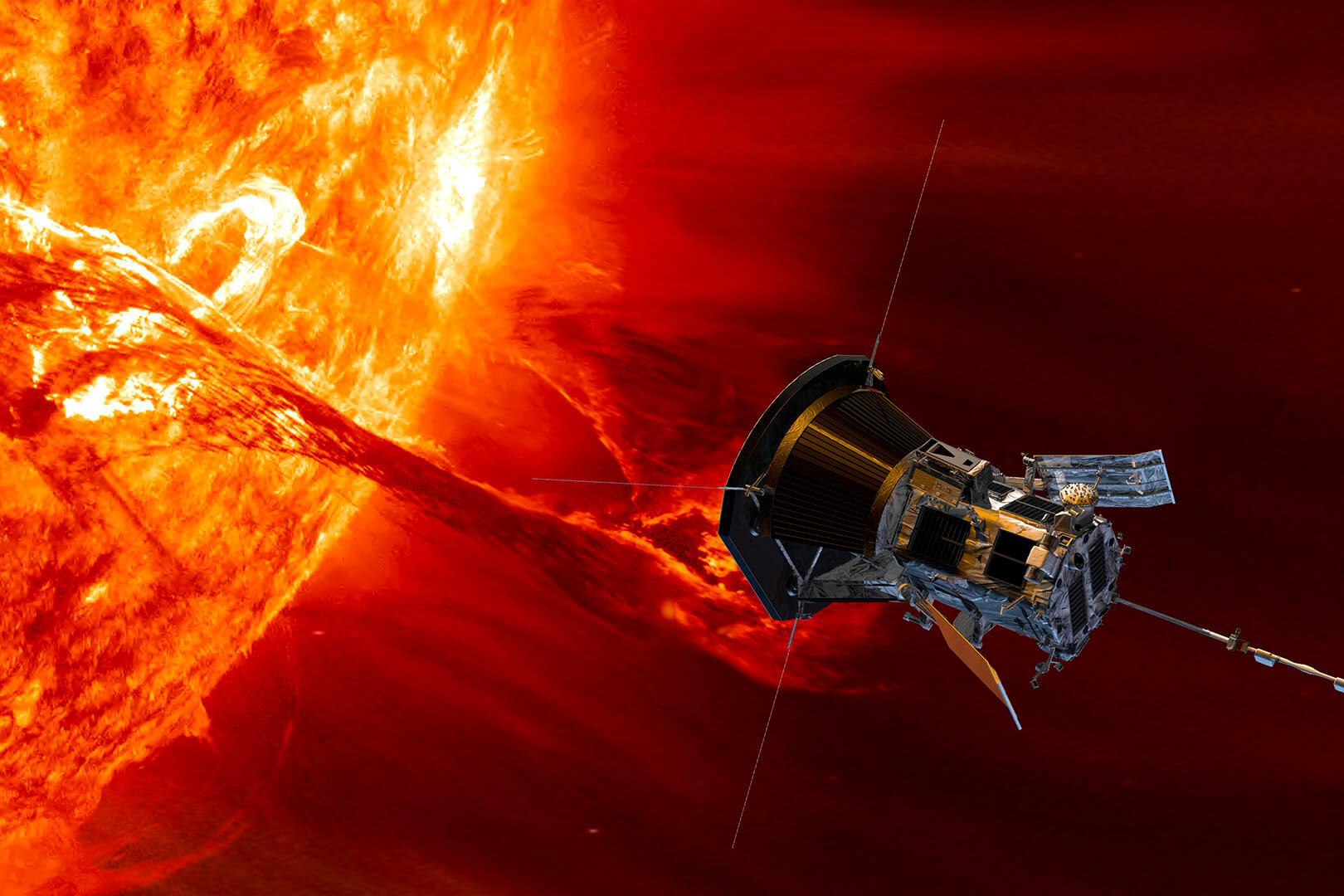
Parker Solar Probe
Parker Solar Probe dives closer to the Sun than humanity has ever ventured to unlock the mysteries of our nearest star.
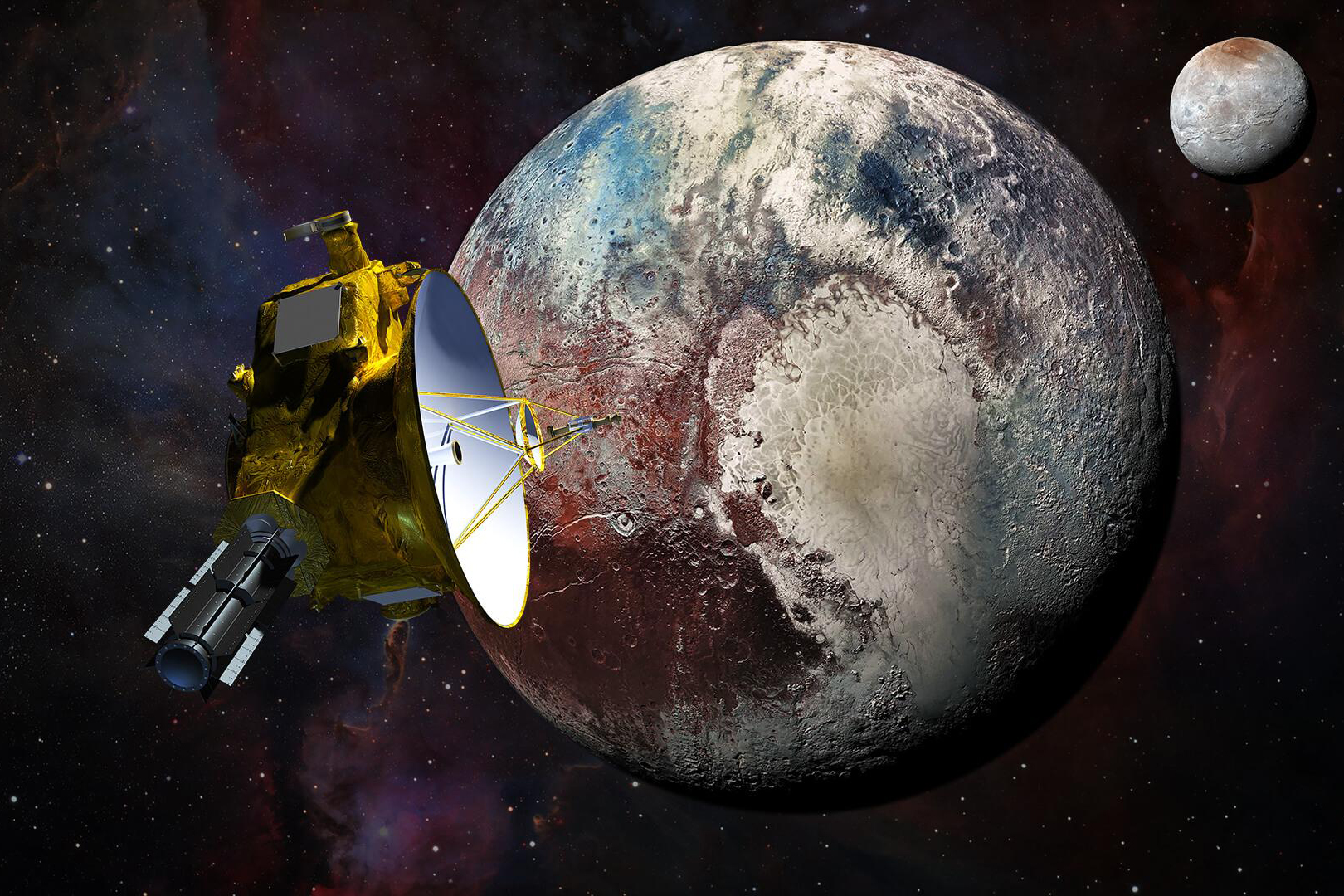
New Horizons
New Horizons is the first mission to Pluto and the Kuiper Belt, the distant region of planetary building blocks that hold keys to our solar system’s formation.
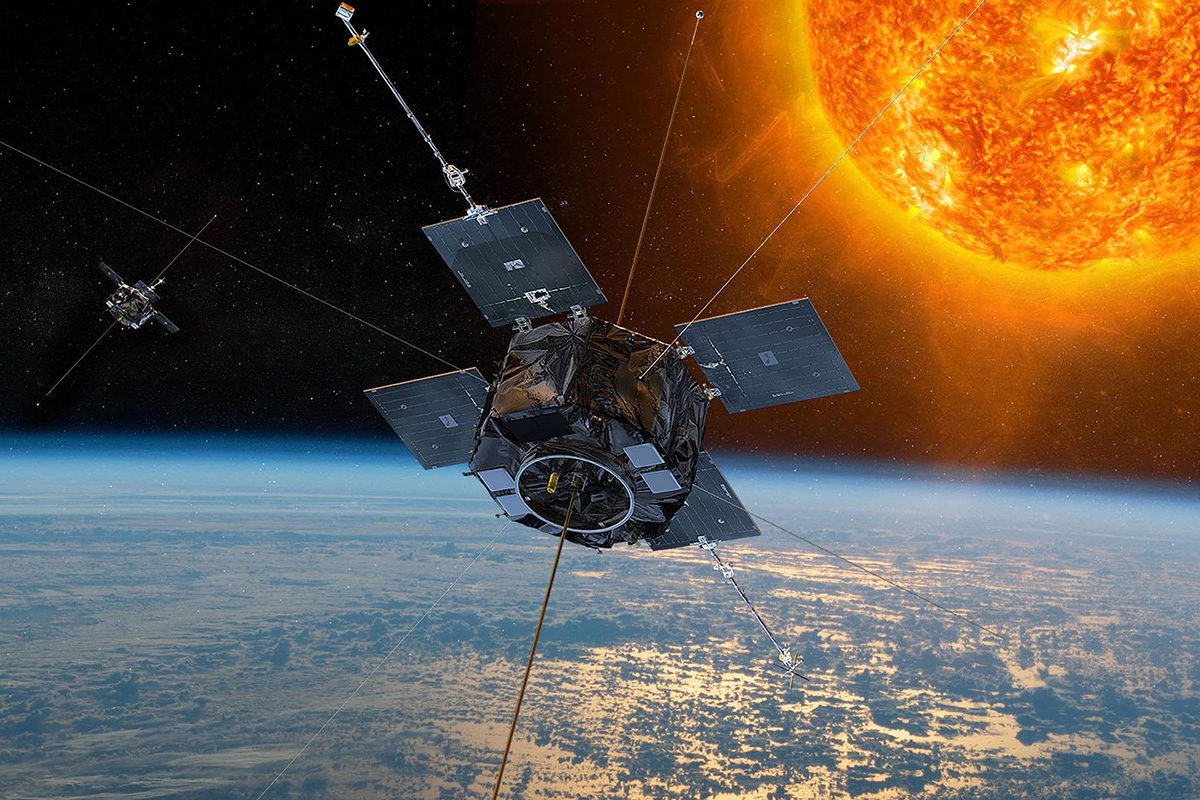
Van Allen Probes
A mission to explore Earth’s harsh radiation belt environment and the dynamics of geomagnetic storms