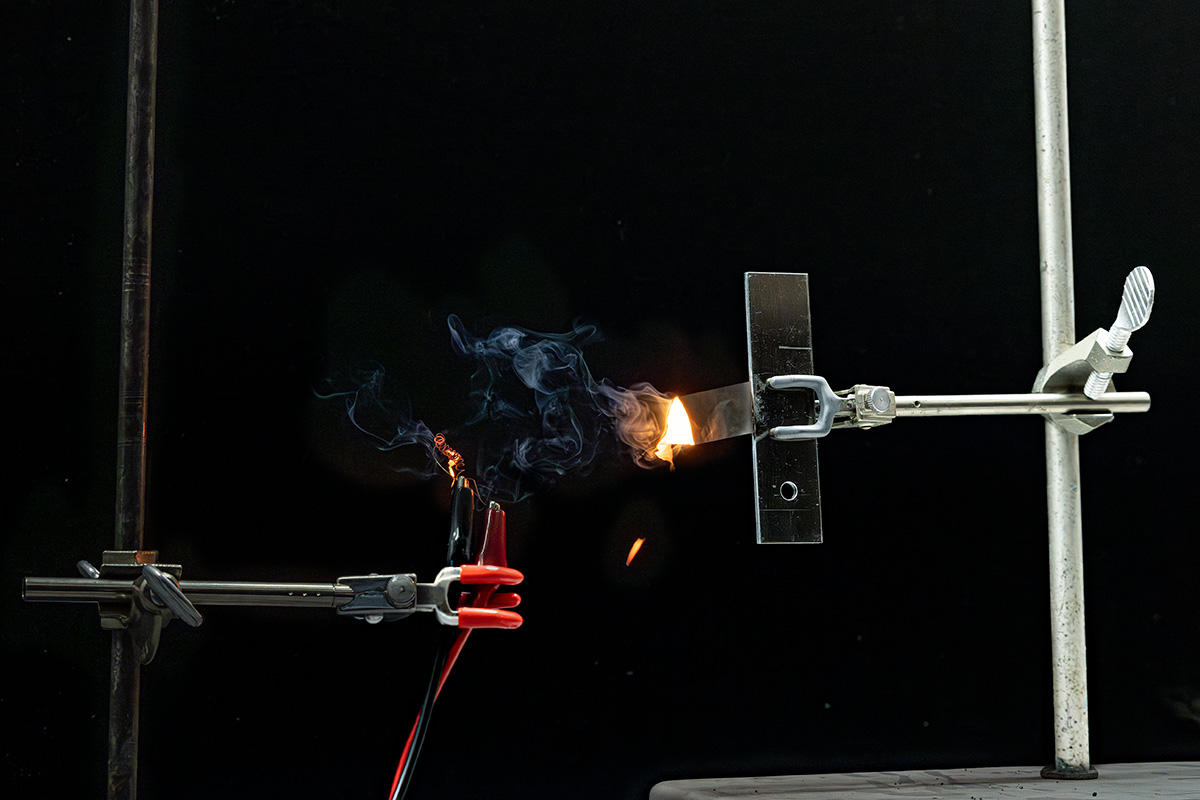
Critical Contributions to Critical Challenges

Strategic Technology Solutions
Johns Hopkins APL leverages world-class talent and facilities to conceive and mature critical innovations across multi-domain missions spanning deep sea to space. Learn more about our capabilities in scaled hypersonics, contested logistics technologies, applied artificial intelligence, quantum and battlefield information dominance, biomanufacturing, and scaled directed energy.
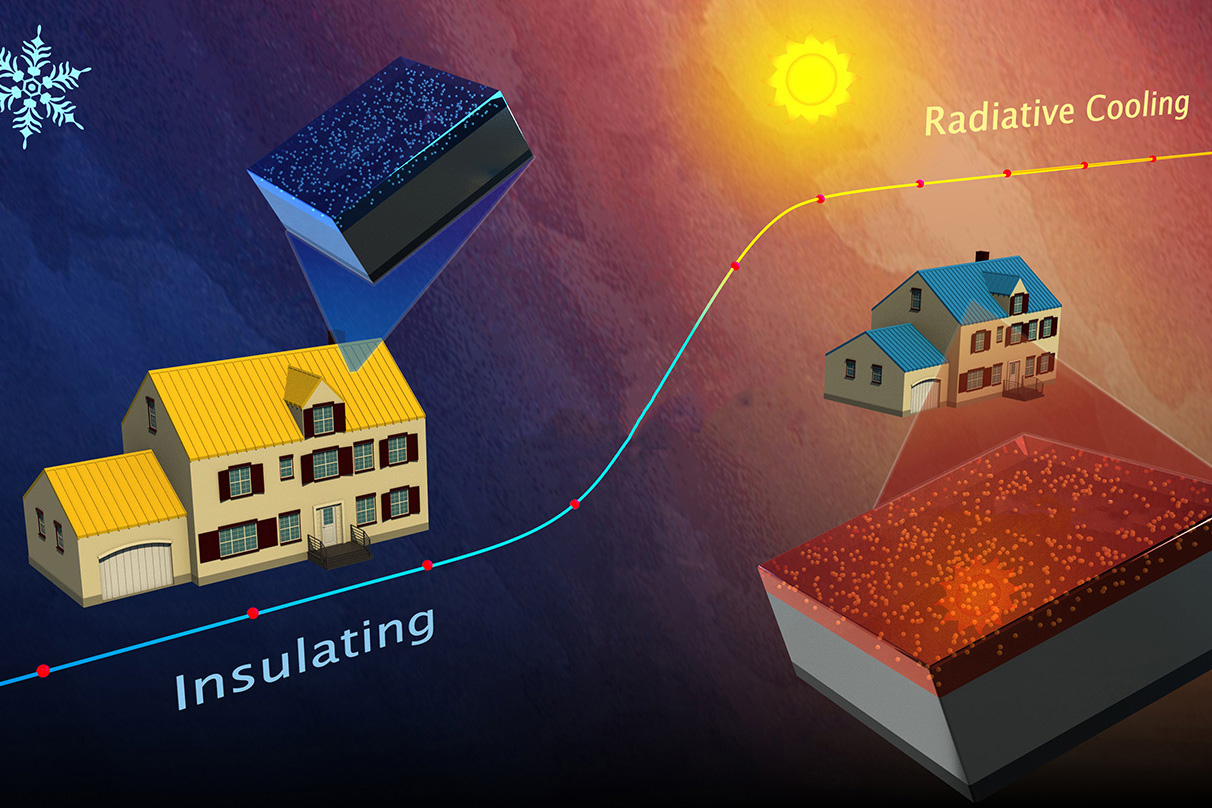
Advancing Materials for Thermal Management
Researchers at APL have made a significant breakthrough in the development of advanced materials technology that can efficiently manage thermal conditions, particularly in buildings and data centers.
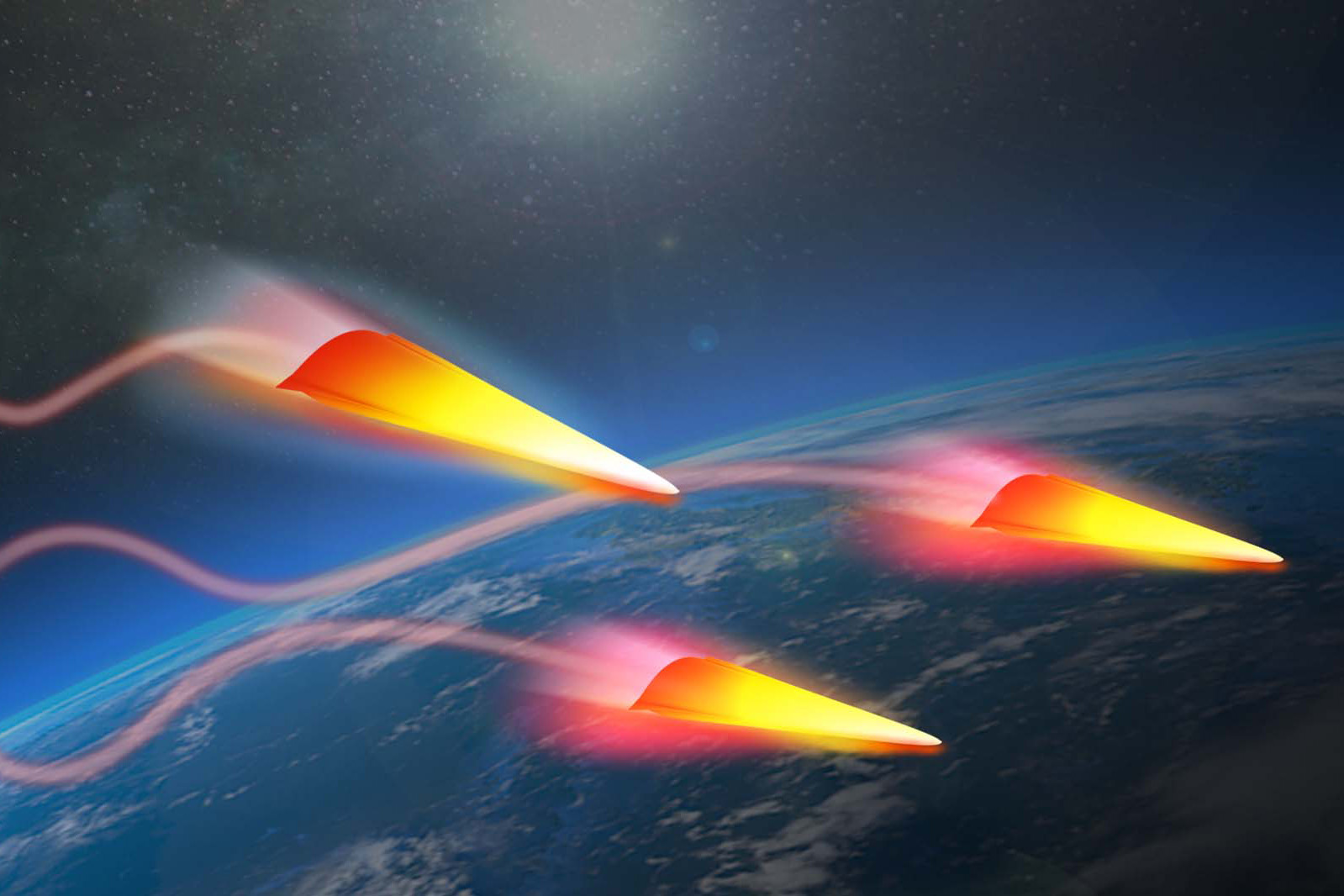
Creating Coatings for Extreme Environments
APL researchers are developing coatings that can stand up to the rigors of hypersonic flight in the upper atmosphere.

National Security Space Missions and Hardware
APL is proud to conceptualize and implement highly classified and critically important spaceflight missions to enable our nation’s security.
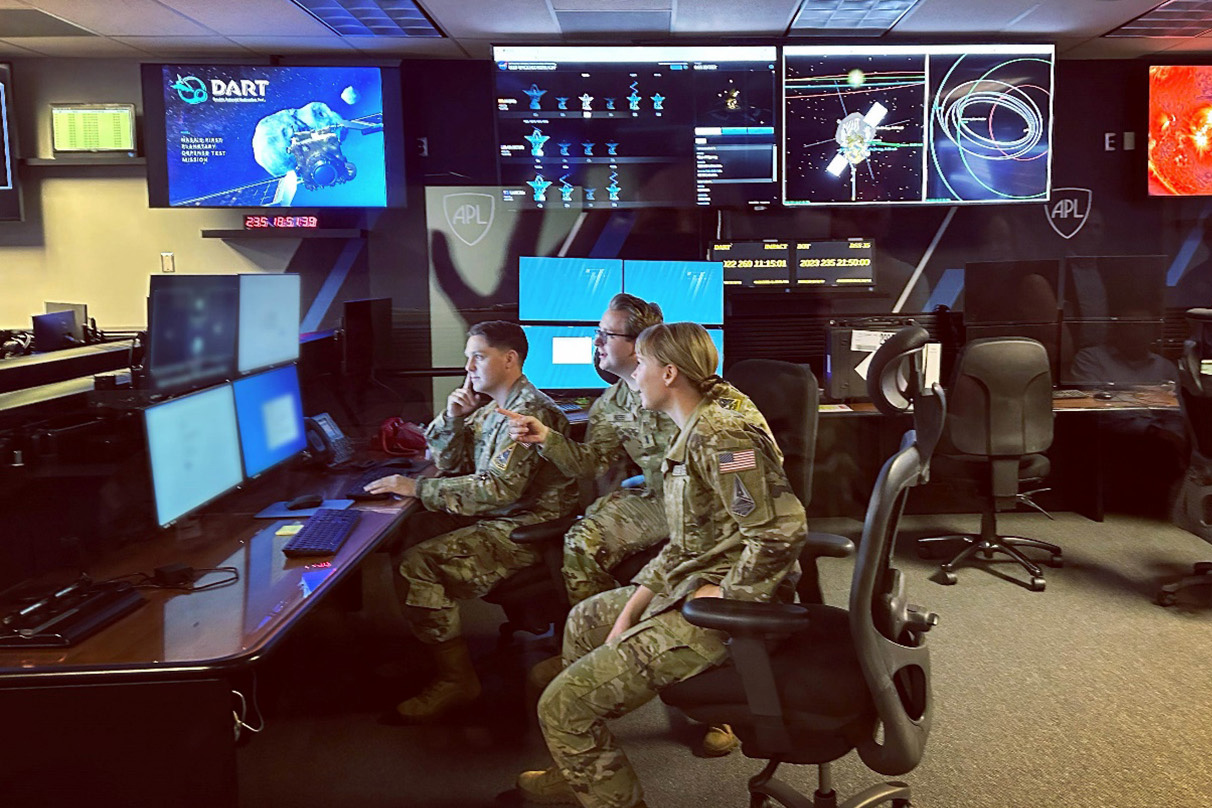
Enabling the Next Generation of Space Operator
APL is uniquely positioned to bolster the Joint Force in their effort to enhance the professional development of military and civilian members.
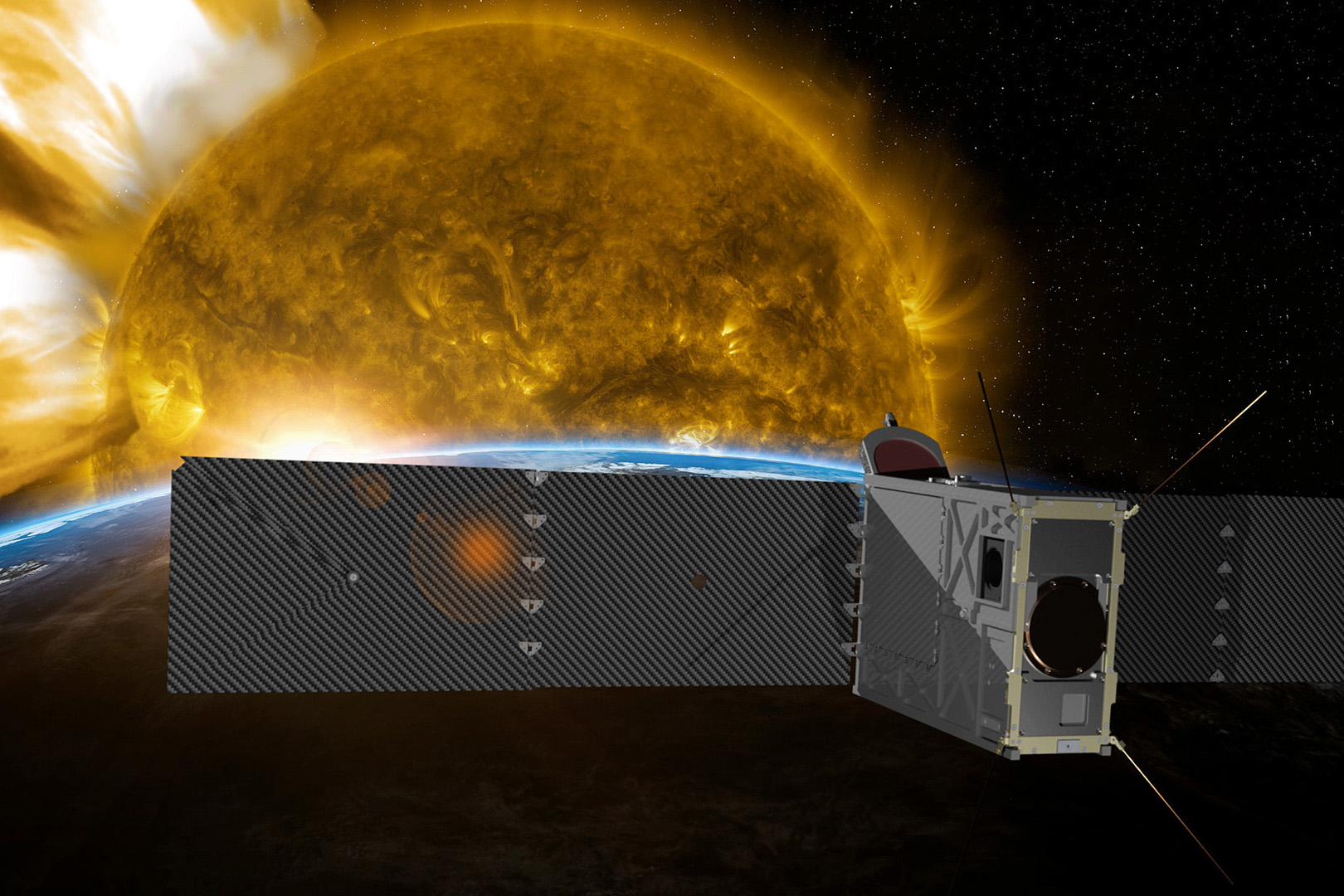
SunCET
The Sun Coronal Ejection Tracker (SunCET) mission seeks to determine what mechanisms accelerate most coronal mass ejections to speeds approaching 620 miles (1,000 kilometers) per second.
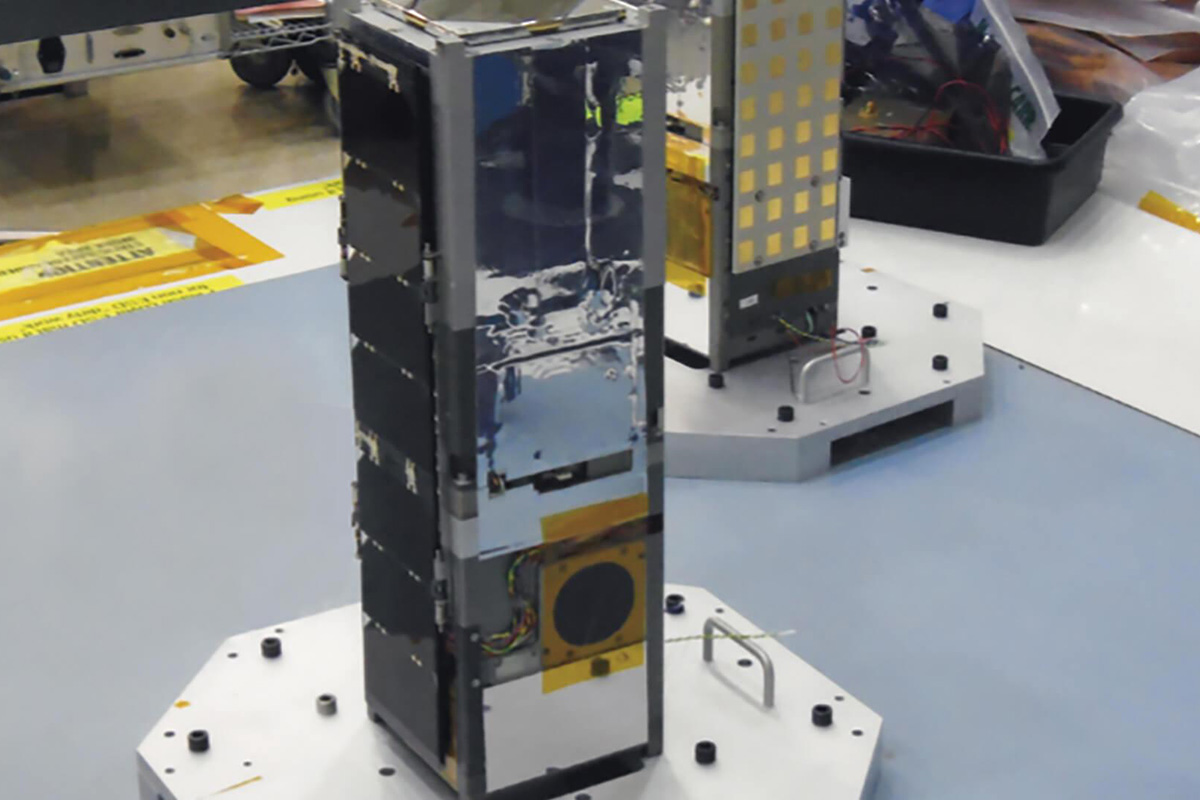
The CAT Experiment
APL has successfully delivered, flown, and operated two miniaturized satellites, or CubeSats, as part of a Lab-led flight demonstration known as the CubeSat Signal Preprocessor Assessment and Test (CAT).
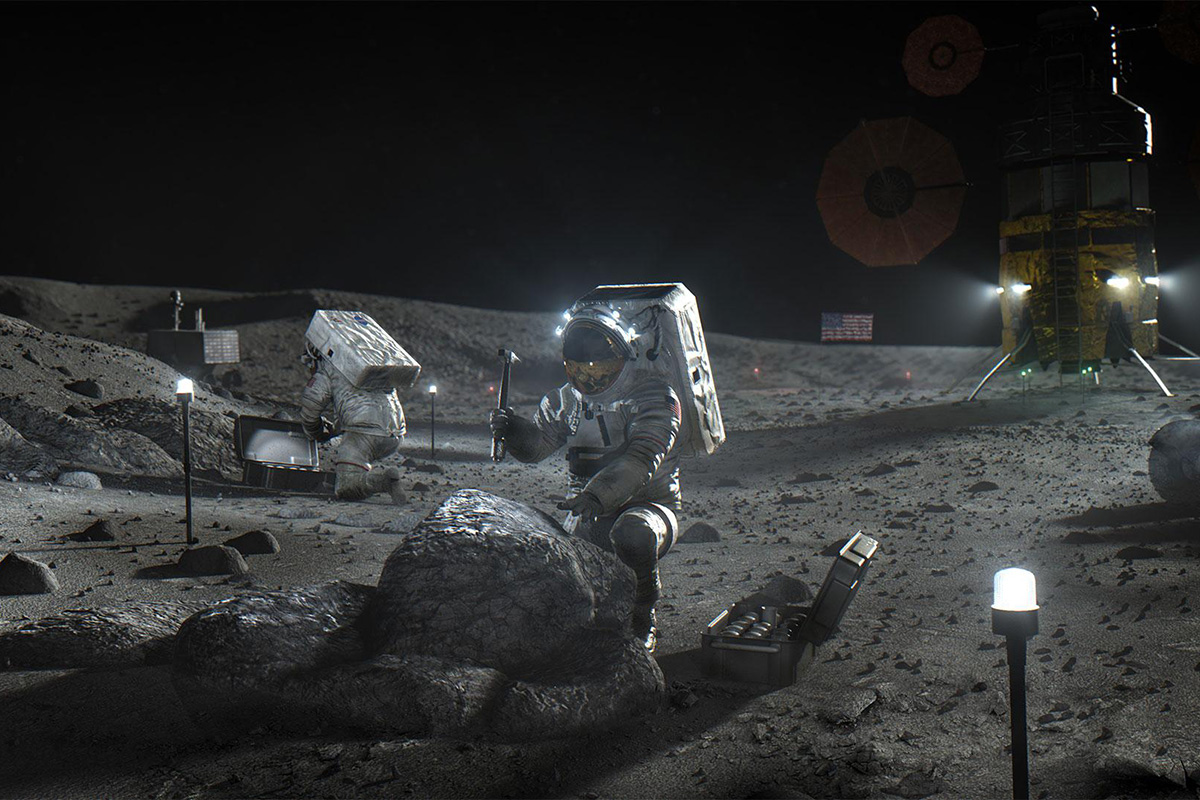
Lunar Surface Innovation Initiative
APL holds a key leadership role in NASA’s Lunar Surface Innovation Initiative (LSII), which aims to spur the development and deployment of technologies enabling humans to live and work on the Moon.
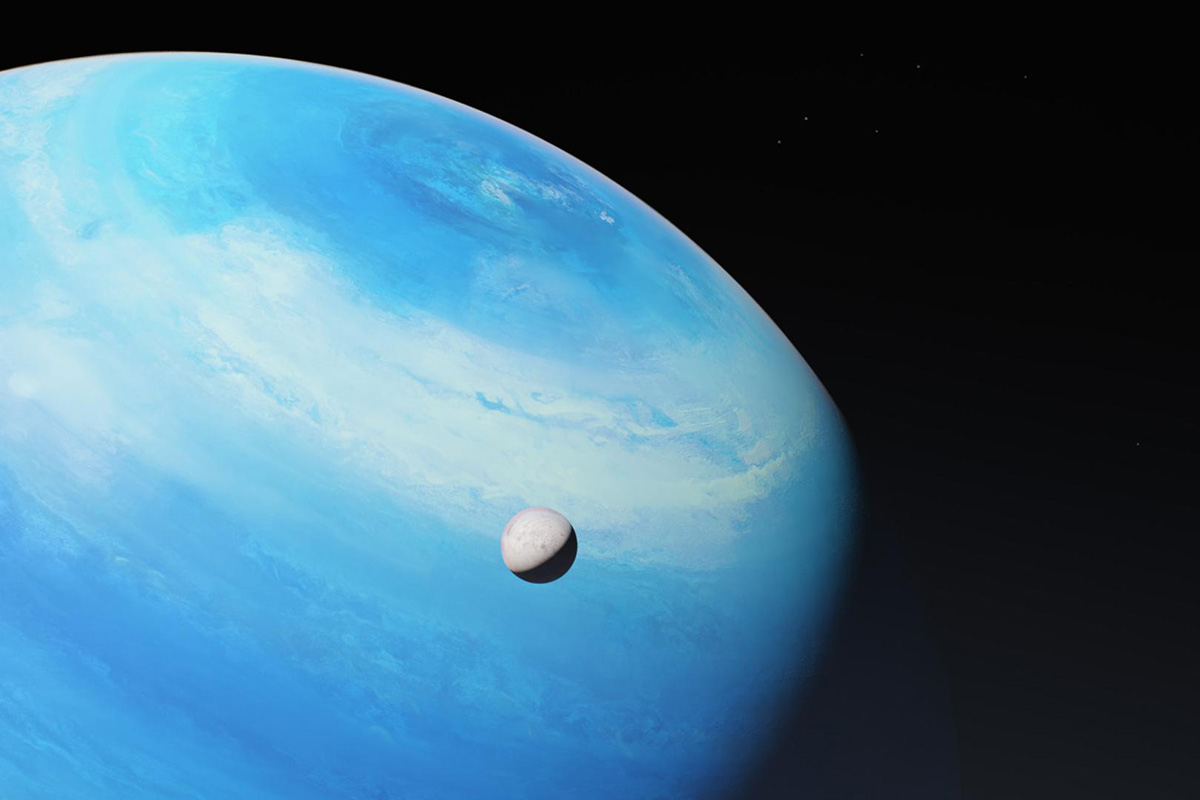
Ice Giant Research and Exploration
In the decades since NASA’s Voyager 2 spacecraft explored the solar system’s ice giants, Uranus and Neptune, APL has made concerted efforts to underscore the scientific value of these planets and provide innovative conceptual missions to return to their azure skies. Through research, workshops, and seminars, APL researchers and engineers are helping establish a framework and community that will maximize the scientific returns of a potential future mission.
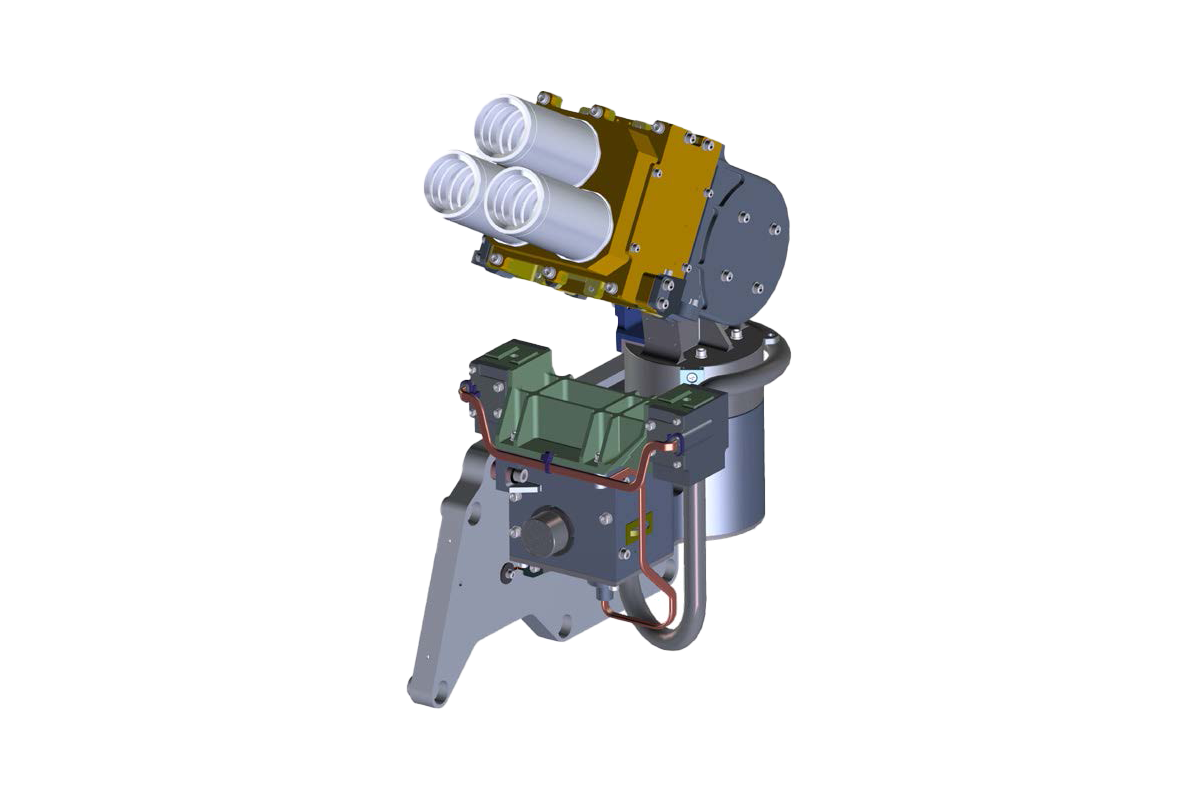
The SKA Experiment
APL developed and tested the sensors for the Missile Defense Agency’s Spacebased Kill Assessment (SKA) system, currently on orbit and executing planned test events.
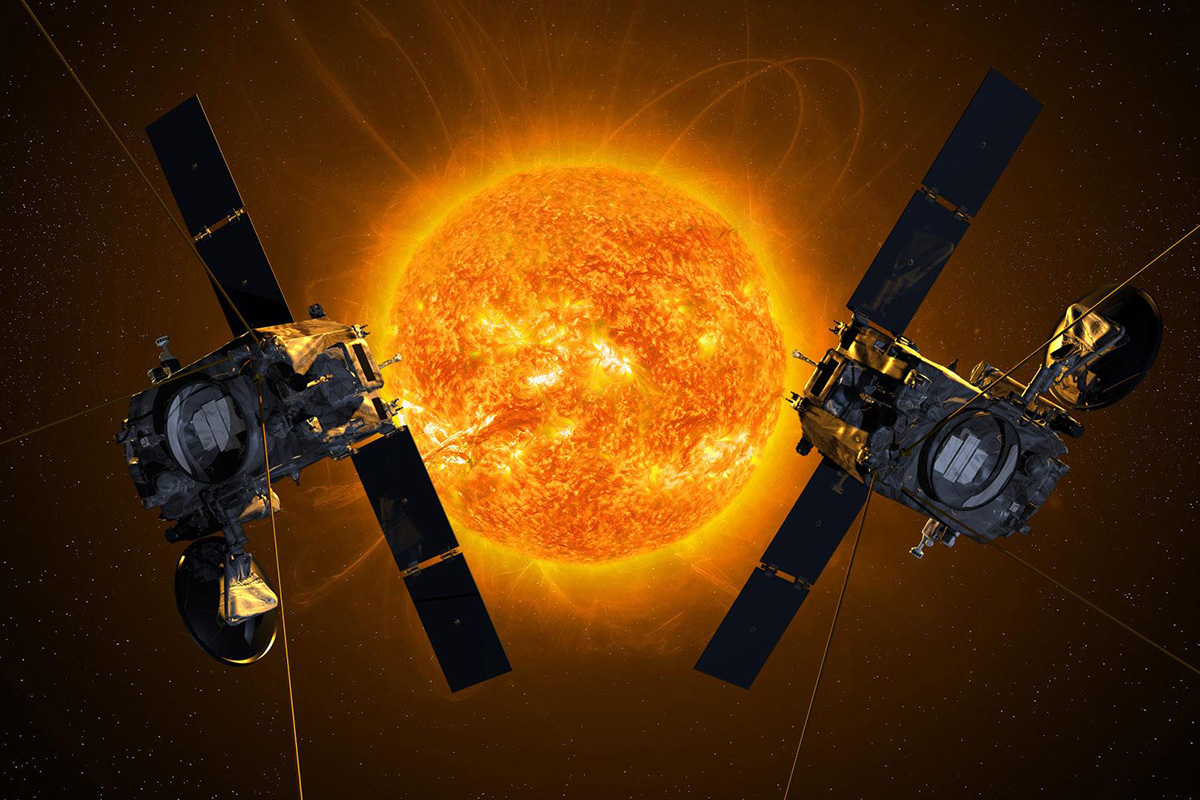
STEREO
The Solar TErrestrial RElations Observatory (STEREO) mission has provided 3D views of the solar corona, coronal mass ejections and the solar wind, and advanced space weather forecasting.
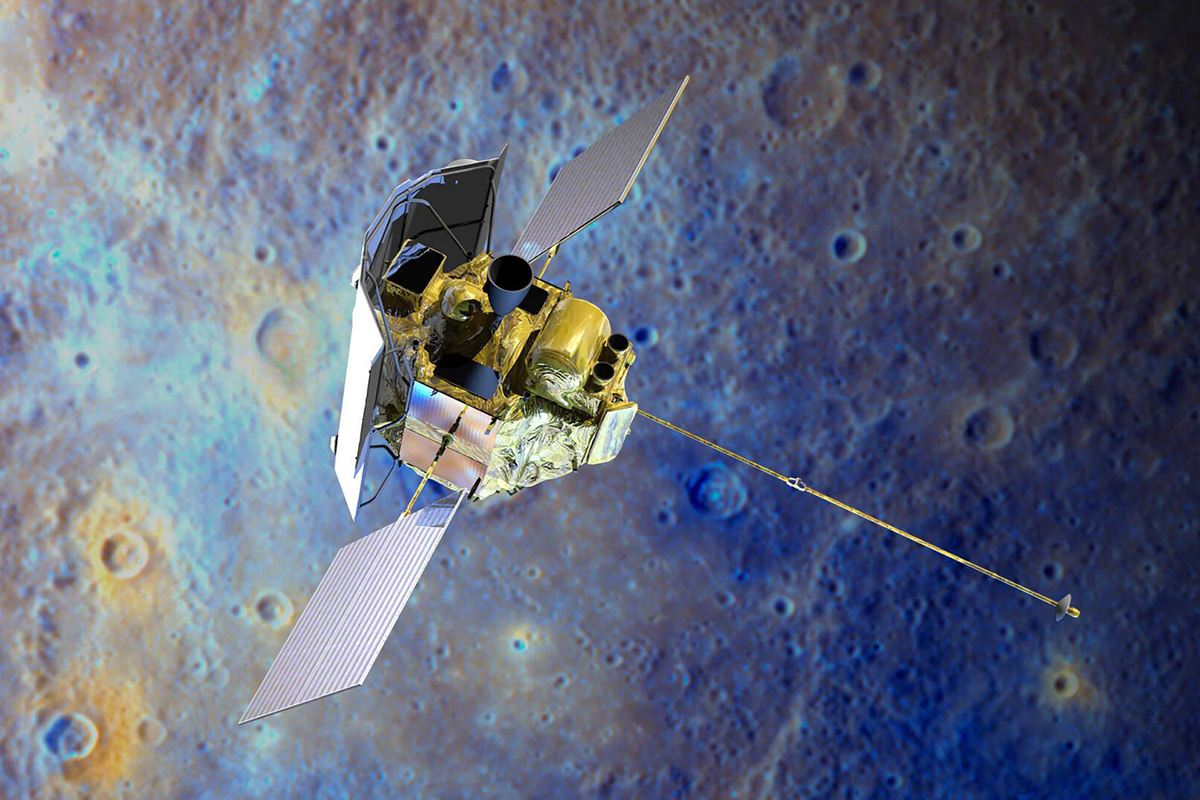
MESSENGER
MErcury Surface, Space ENvironment, GEochemistry, and Ranging (MESSENGER) was the first mission to orbit Mercury, shedding unprecedented light on the origins and evolution of the innermost planet.
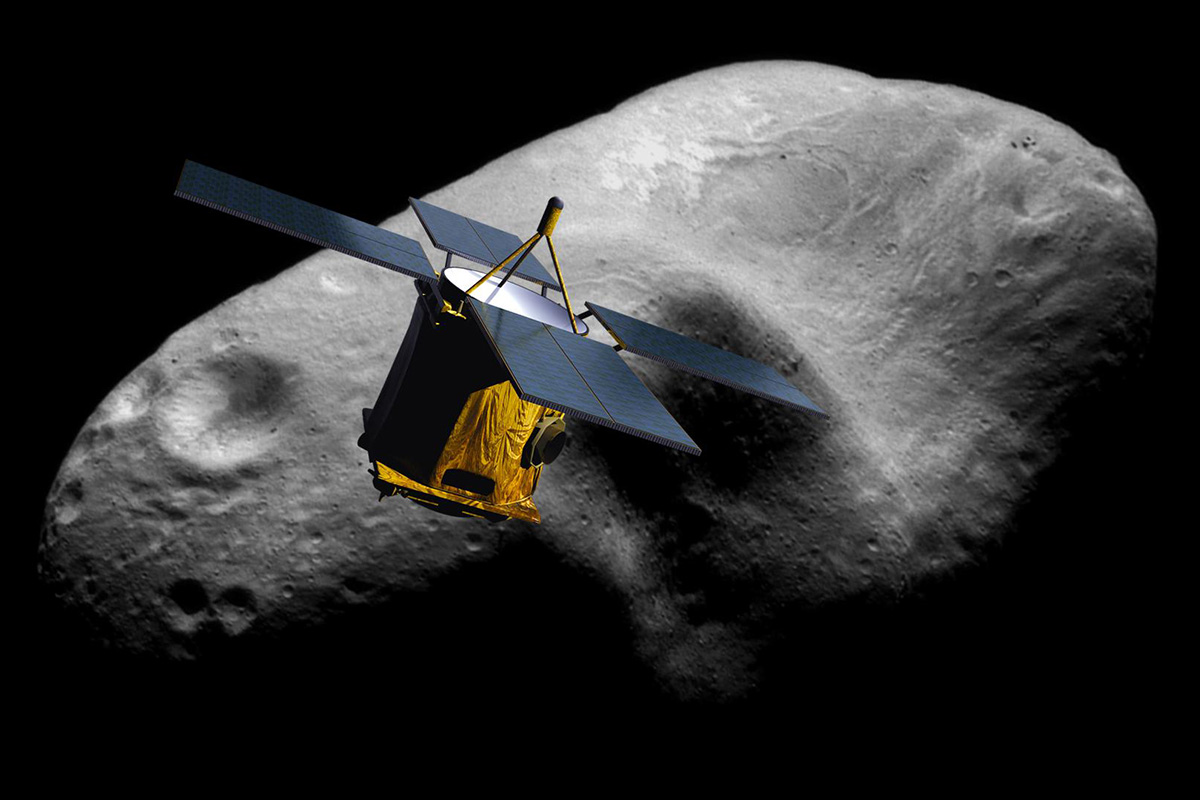
NEAR
The first launch in NASA’s Discovery program, the Near Earth Asteroid Rendezvous (NEAR) was the first mission to orbit and land on an asteroid.