
Critical Contributions to Critical Challenges

Strategic Technology Solutions
Johns Hopkins APL leverages world-class talent and facilities to conceive and mature critical innovations across multi-domain missions spanning deep sea to space. Learn more about our capabilities in scaled hypersonics, contested logistics technologies, applied artificial intelligence, quantum and battlefield information dominance, biomanufacturing, and scaled directed energy.
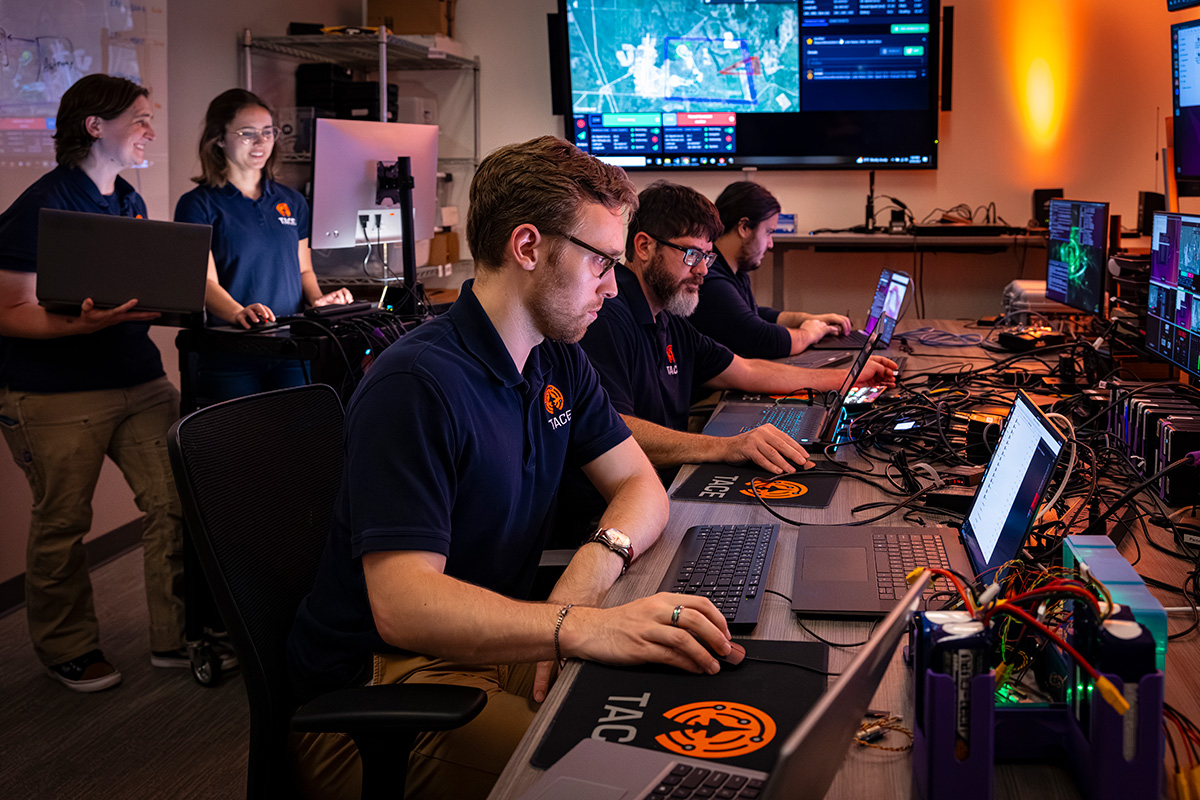
Runtime Safety Assurance for AFWERX Autonomy Prime
Quickly and safely testing autonomous vehicles in complex, interactive environments
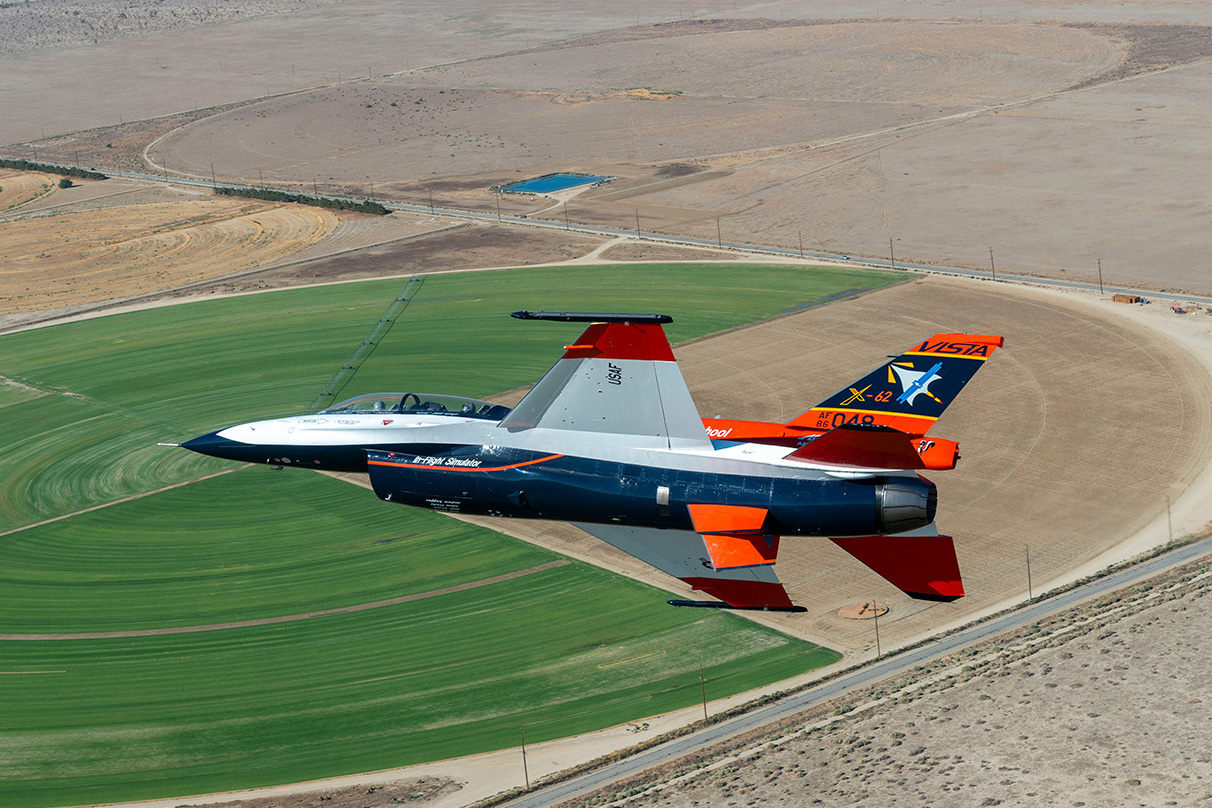
AI-Piloted Aviation
As part of DARPA’s ACE program, APL has developed infrastructure and autonomous solutions, including constructive simulation environments, virtual aircraft simulators, live subscale aircraft, and the interfaces required to integrate performer and APL autonomy solutions into full-scale tactical fighter aircraft.
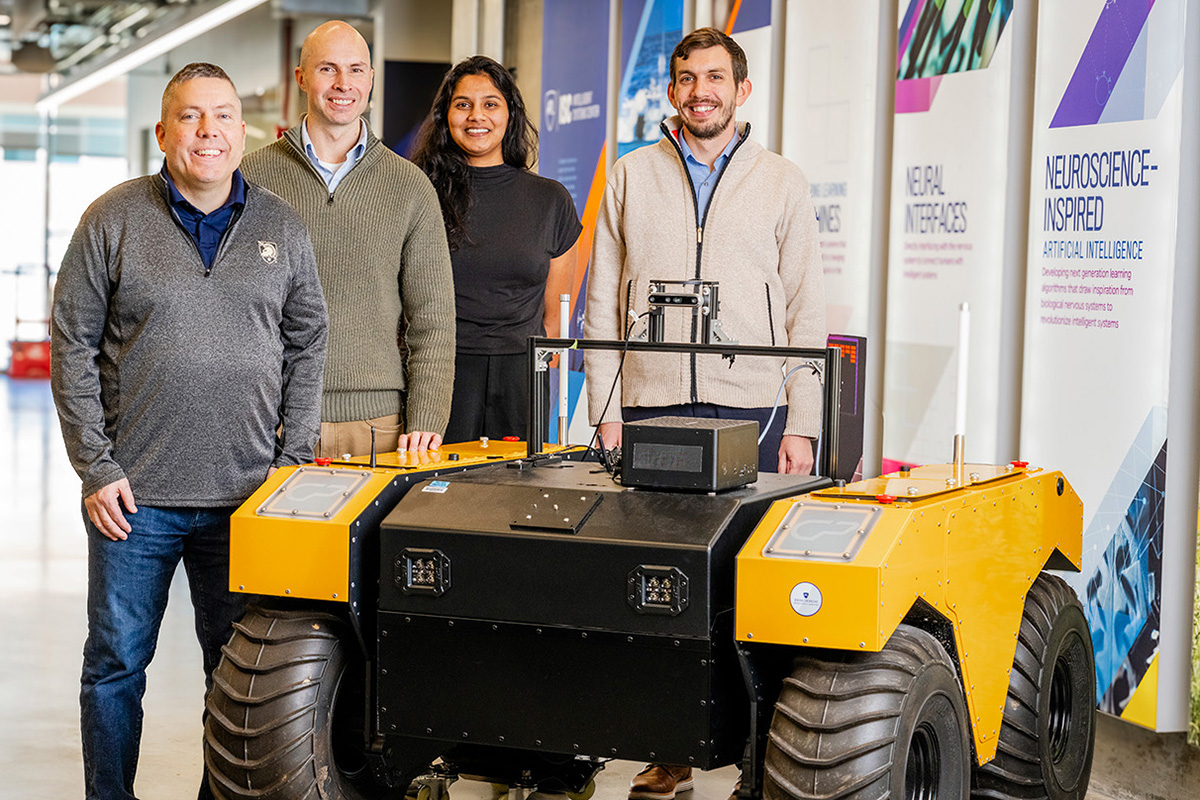
Full Scene Extraction
Training robots to gather information about their surroundings to create a contextual understanding of their environment

ConceptGraphs
Transforming robots into capable teammates using generative AI and advanced scene mapping
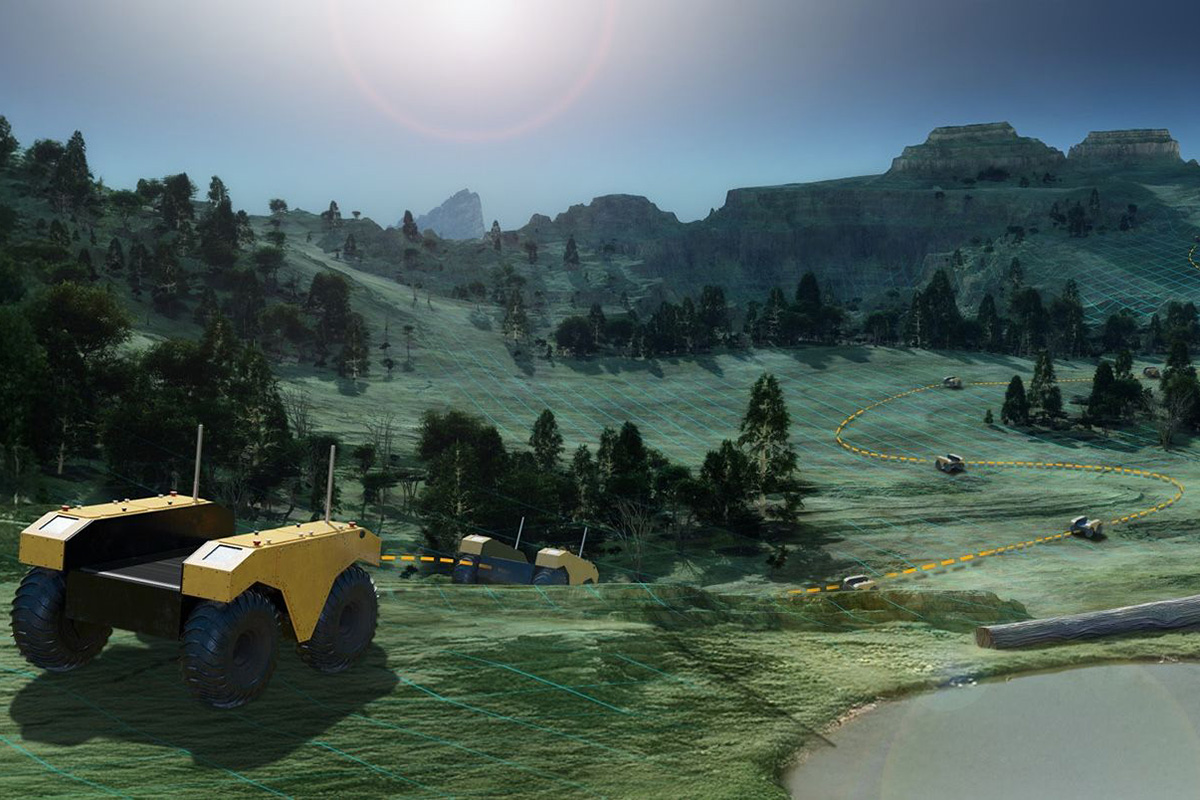
Tactical Behaviors for Autonomous Maneuver
Enabling scalable, real-time solutions for autonomous teams
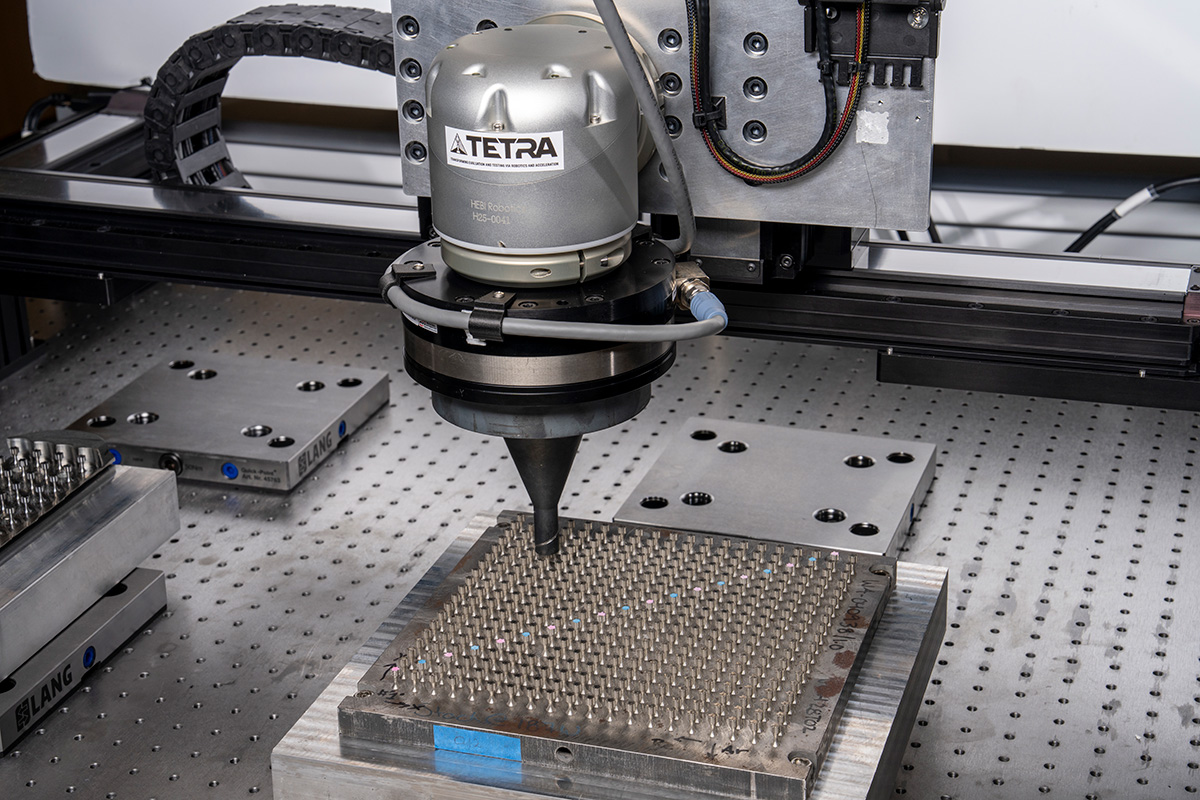
Accelerating Materials Innovation for Defense
Developing a novel materials science paradigm—and strategically applying artificial intelligence and robotics—to dramatically accelerate the process of designing, testing, and optimizing metal components for the defense industrial base
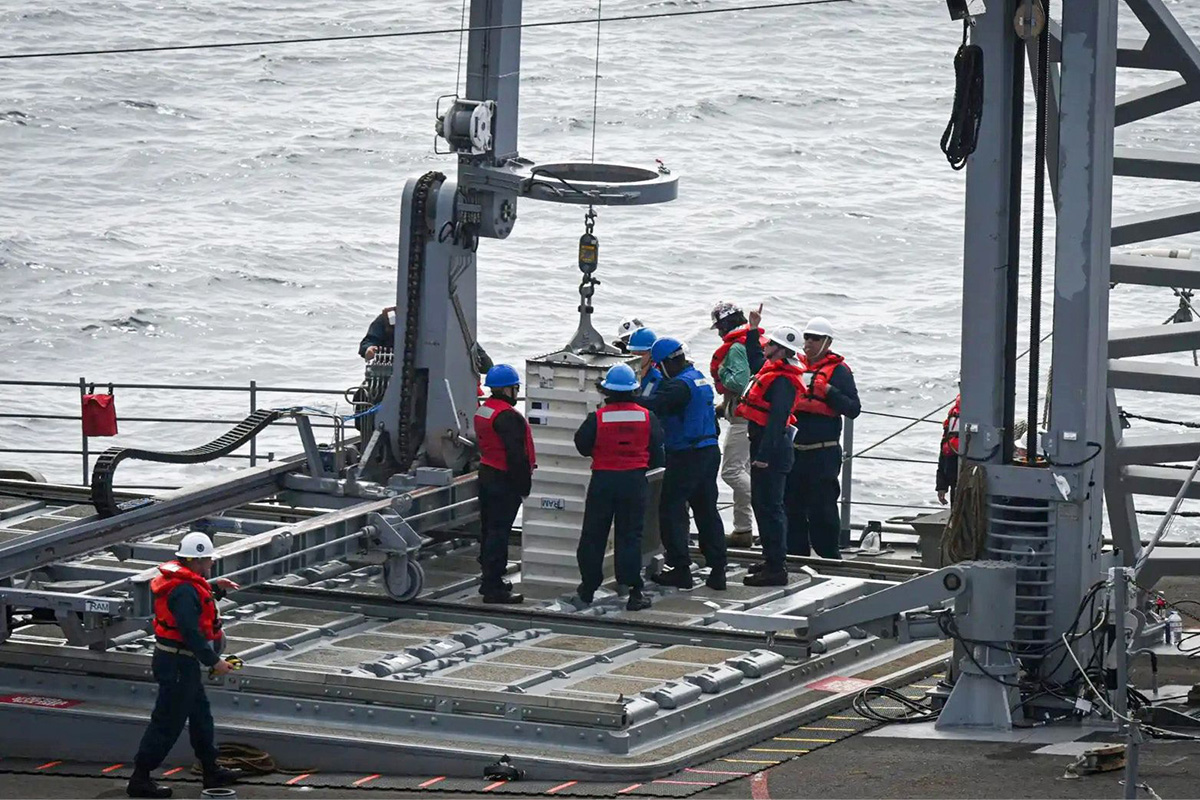
Reloading Vertical Launching Systems at Sea
APL is addressing one of the Navy’s most persistent logistical challenges: reloading vertical launching systems at sea.
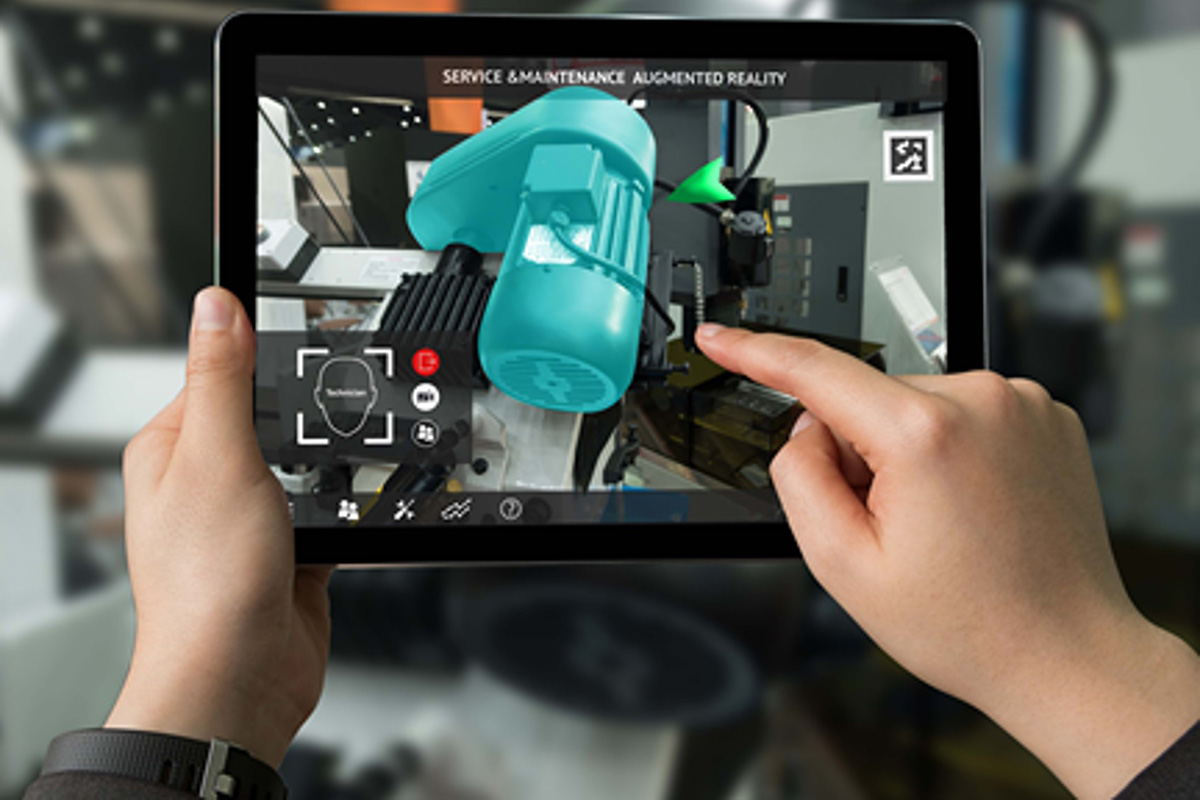
AI/AR-Guided Electronic Repair
Combining artificial intelligence and augmented reality to troubleshoot and maintain complex systems
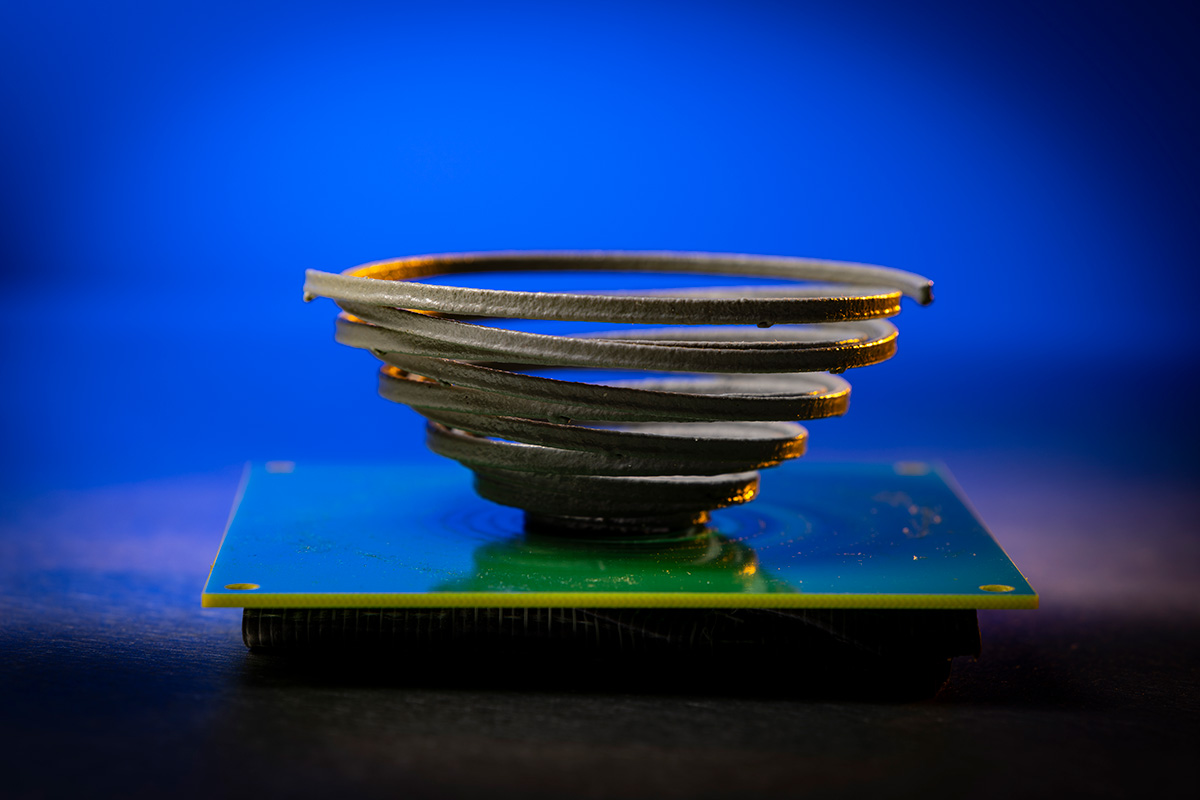
Shape-Shifting Antenna for Adaptive Communications
By leveraging cutting-edge additive manufacturing techniques and shape memory alloys, APL researchers have created an antenna that can change its shape based on its temperature.
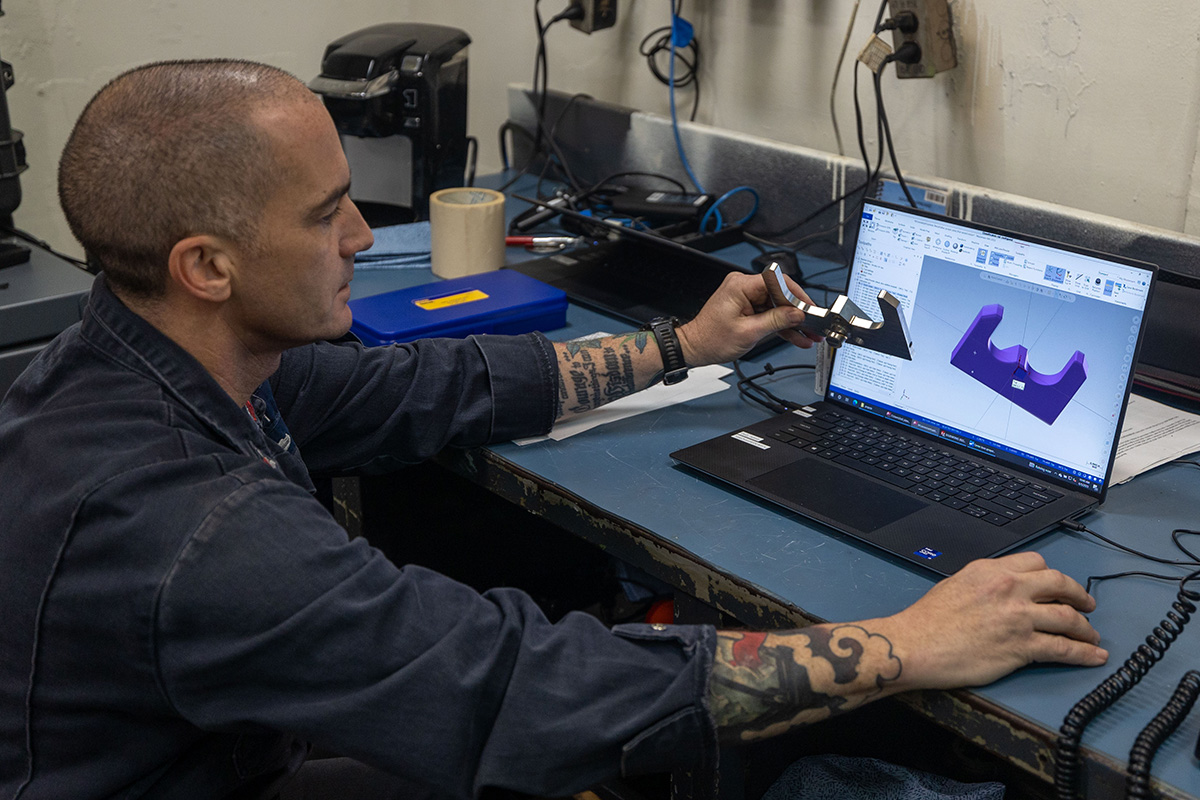
Enhancing Naval Readiness with Onboard 3D Printing Solutions
Implementing onboard 3D printing systems to enable ships to produce essential parts at sea, thereby enhancing operational readiness and reducing maintenance delays

GenWar Sim
Integrating large language models with AFSIM—making high-fidelity simulations accessible to users through natural language interaction
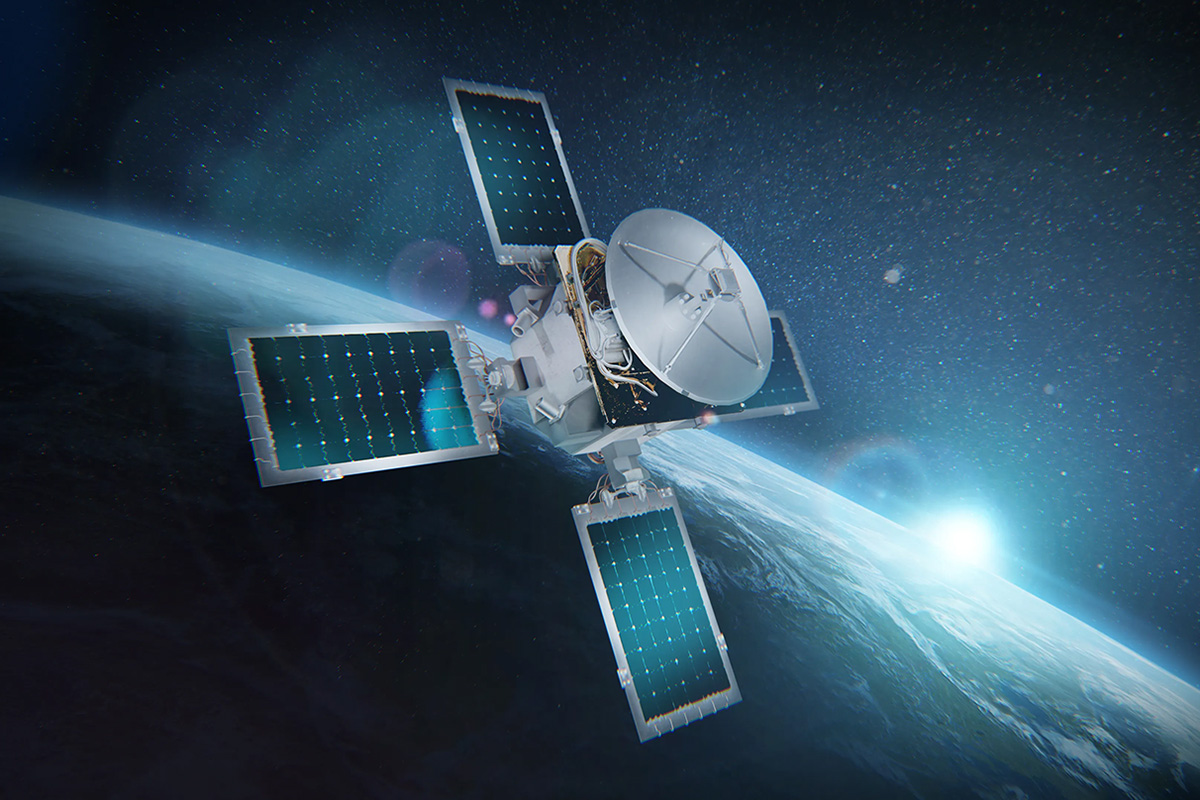
PExT
PExT is a first-of-its-kind wideband multilingual terminal allowing satellites to communicate across the broad range of networks and frequencies used by both commercial and government providers.