Our Contribution
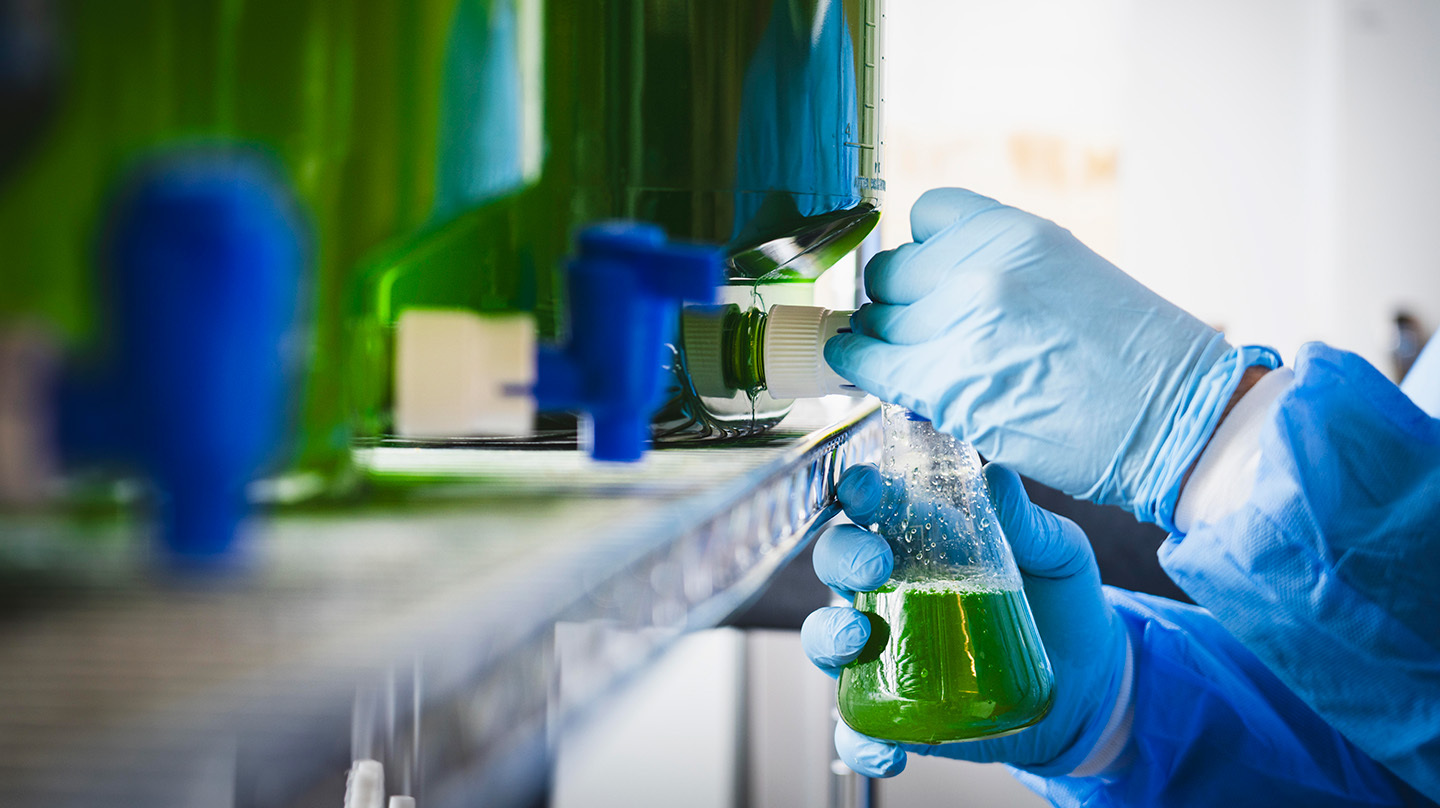
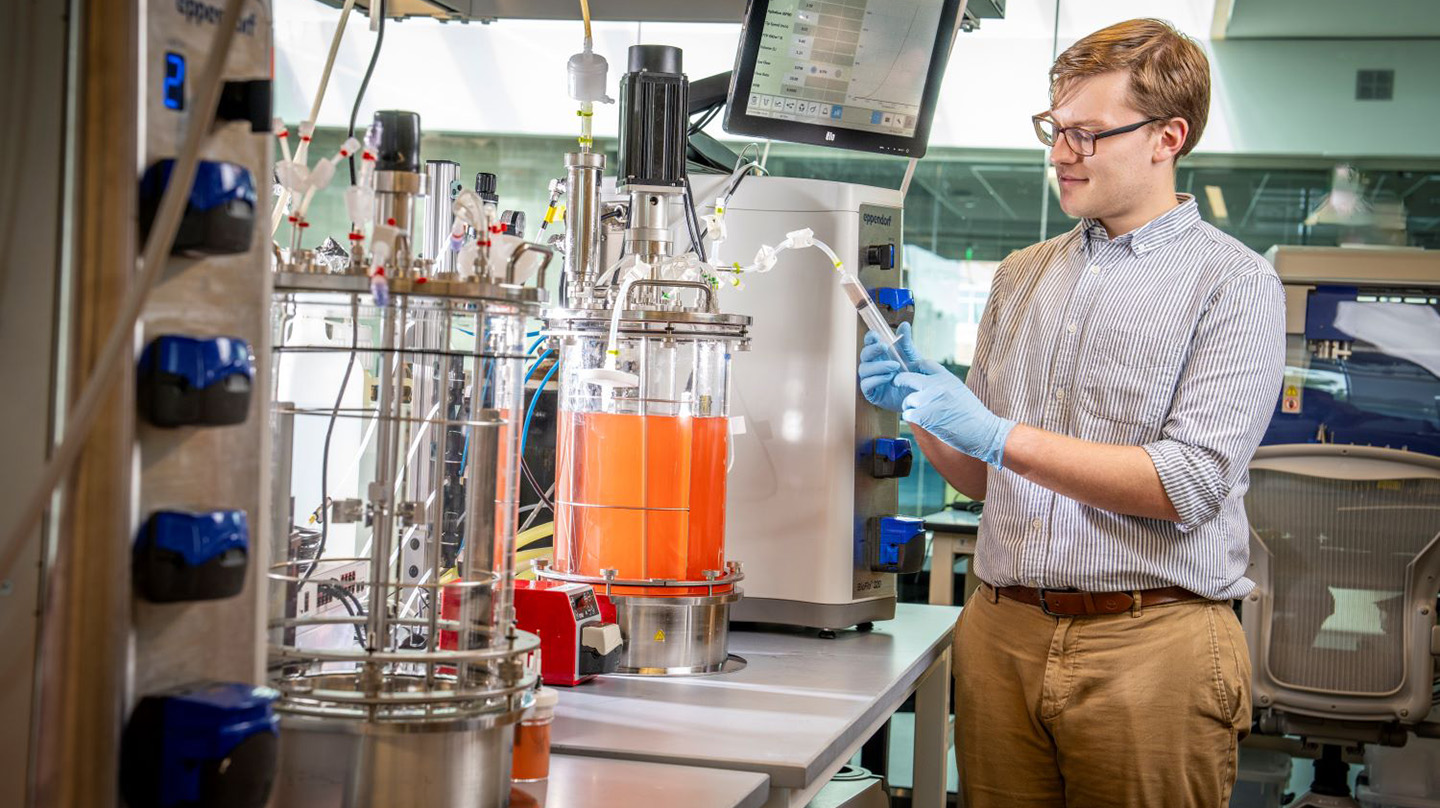
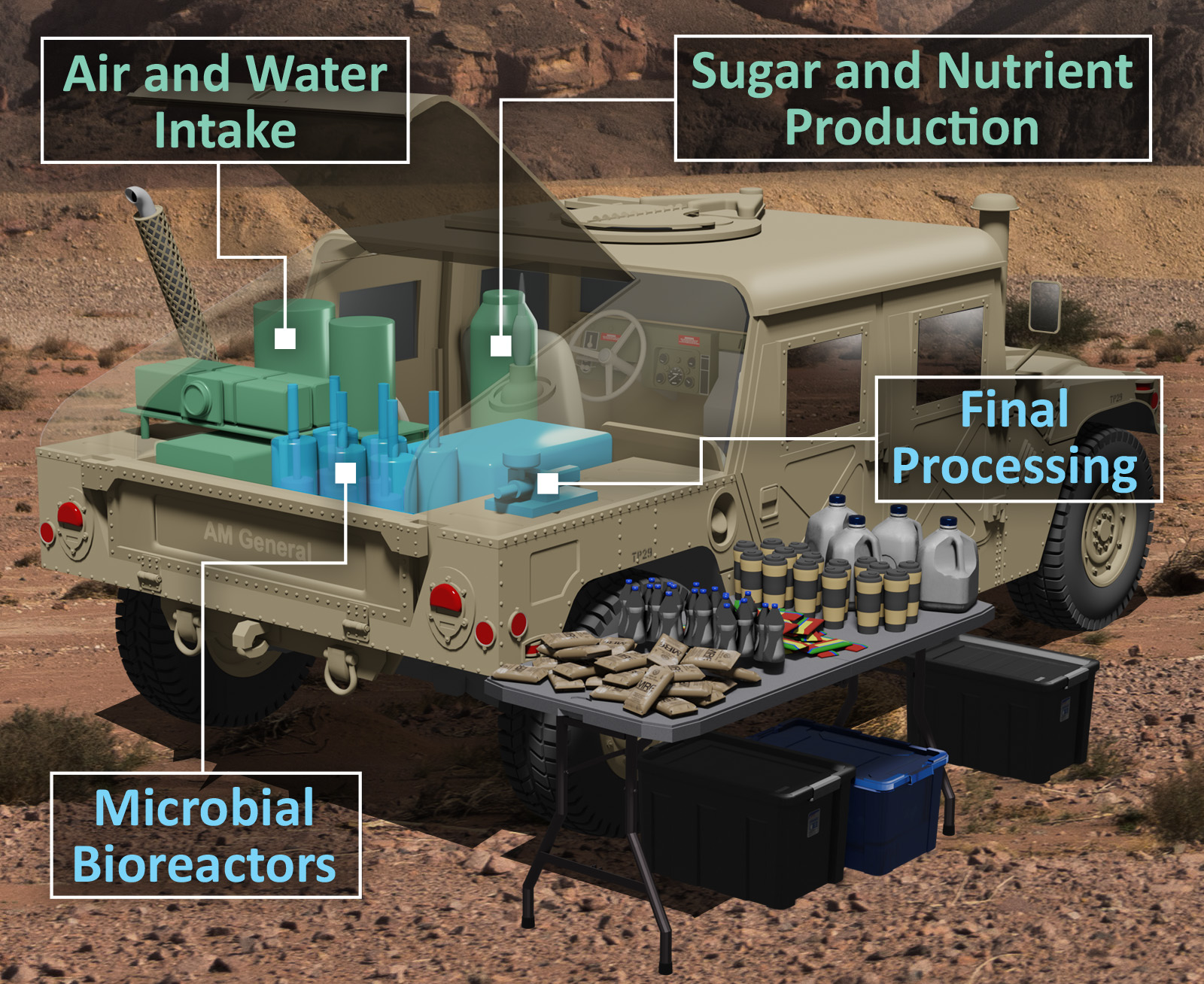
APL researchers are applying biological principles to develop sustainable solutions that meet critical mission needs in remote and resource-limited environments. By engineering biological systems to produce essential materials and medicines on demand, these efforts aim to reduce the burden on the supply chain and strengthen operational resilience. By examining different feedstocks and growth conditions, APL scientists are developing methods that could enable on-demand food production for military and humanitarian missions alike—enhancing sustainability and resilience for operations in austere environments where access to fresh provisions is limited and logistics are complex. Under the DARPA-funded Feedstocks for Food Production effort, which supported the Cornucopia program, the Laboratory accelerated biomanufacturing to quickly produce safe and reliable sources of nutrition in areas where resources were scarce. The team studied how algae and other microbes could convert nonpotable water—including pond and gray wastewater—into edible microbial biomass.