Biology and Bioengineering
Unlocking the power of biology and bioengineering for biodefense and biosecurity
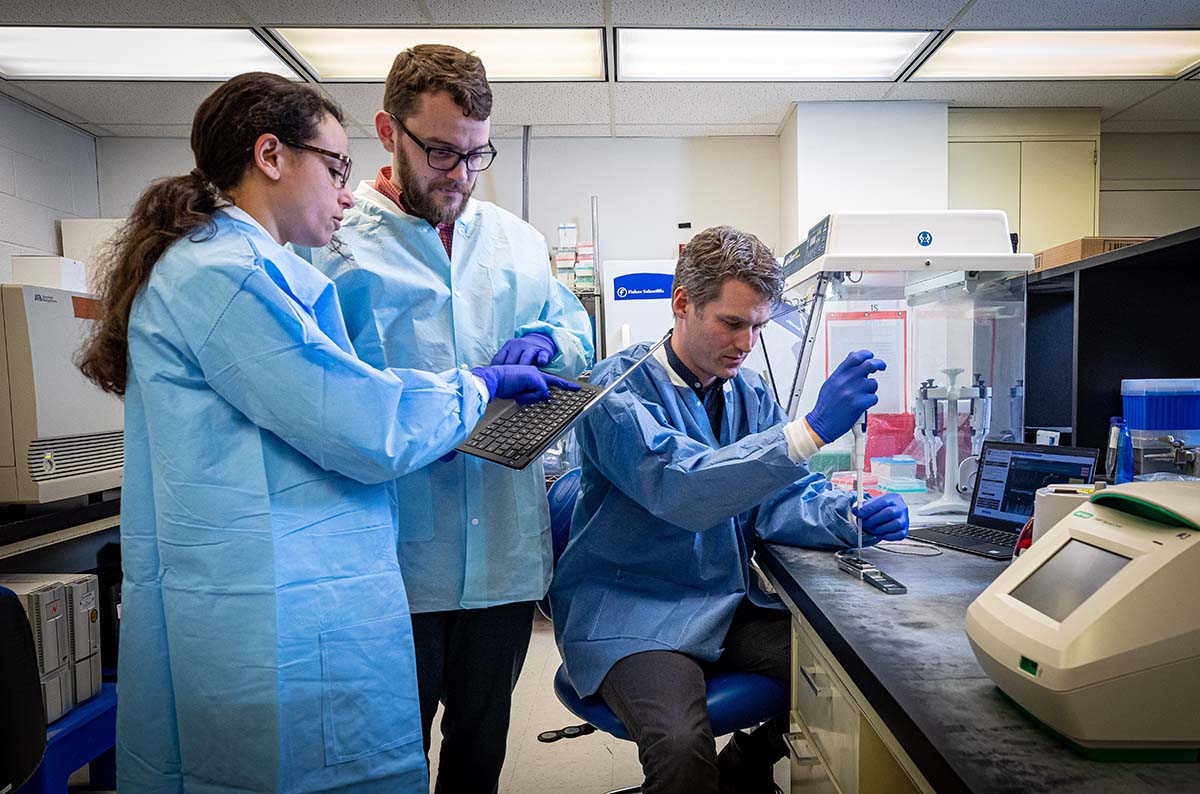
We work to measure, understand, and harness biological systems and processes to drive innovation and enable new capabilities to address critical challenges to national security and human health. Our expertise spans the domains of biochemistry, molecular biology, virology, microbiology, plant biology, marine biology, genomics, bioinformatics, microfluidics, and computational biology.
Featured Work

Feedstocks for Food Production
Accelerating biomanufacturing to quickly produce safe and reliable sources of nutrition in areas where resources are scarce
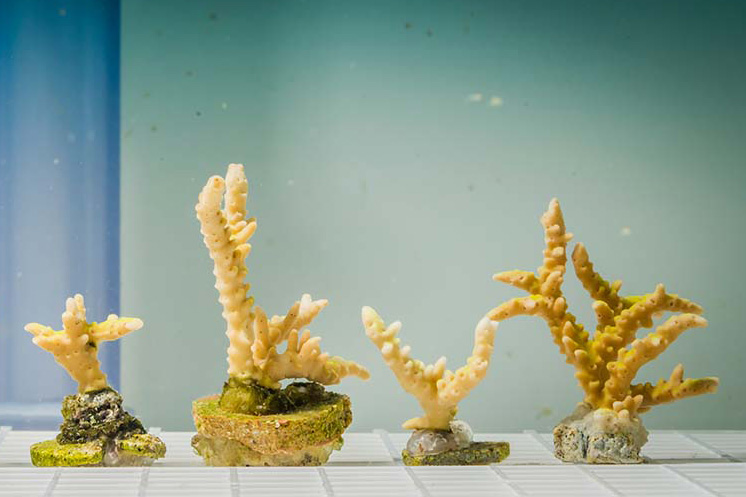
Reversing the Loss of Coral Reefs
Recognizing the need to safeguard America’s coastlines and the value natural structures play in their protection, APL researchers are finding ways to use materials science to support coral reef growth and restoration.
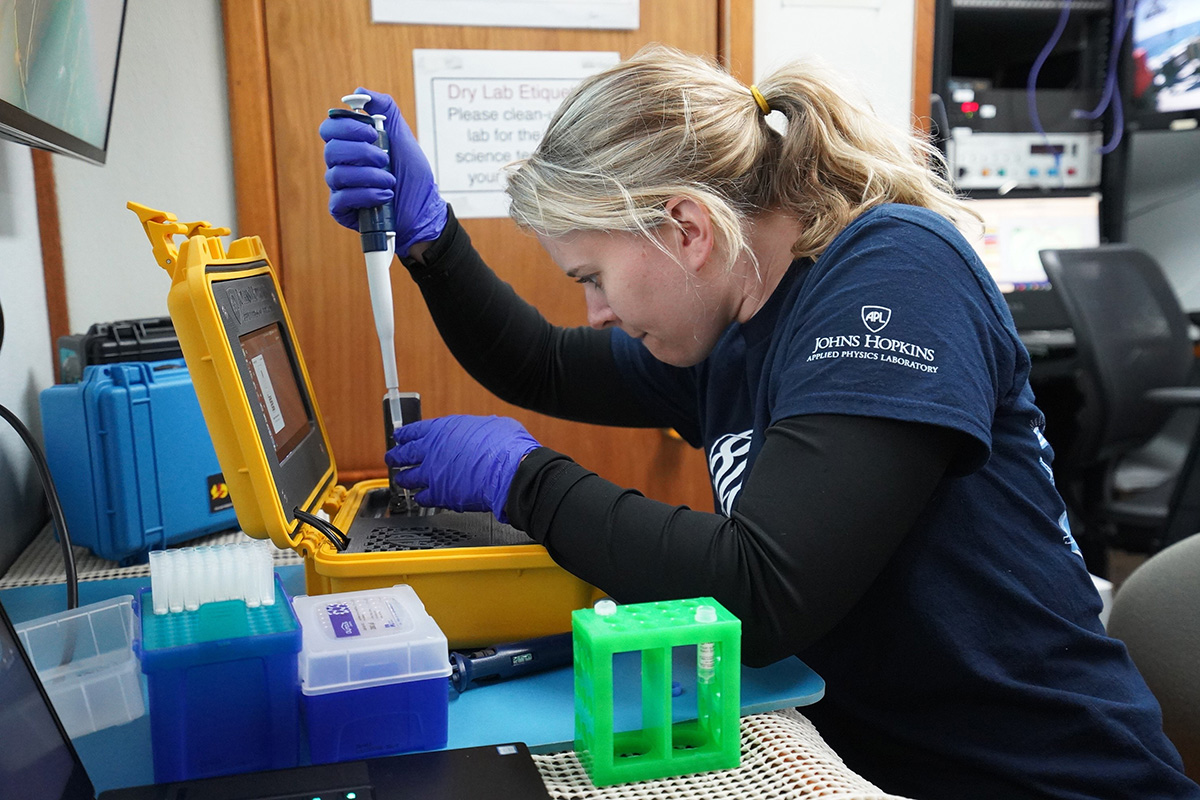
Enlisting eDNA to Understand Ecosystems
APL researchers are using genetic information to observe animals, plants, and microbes in their natural environments, and pioneering environmental DNA (eDNA) analysis methods to study marine ecosystems that the world relies on as the foundation of global food webs.
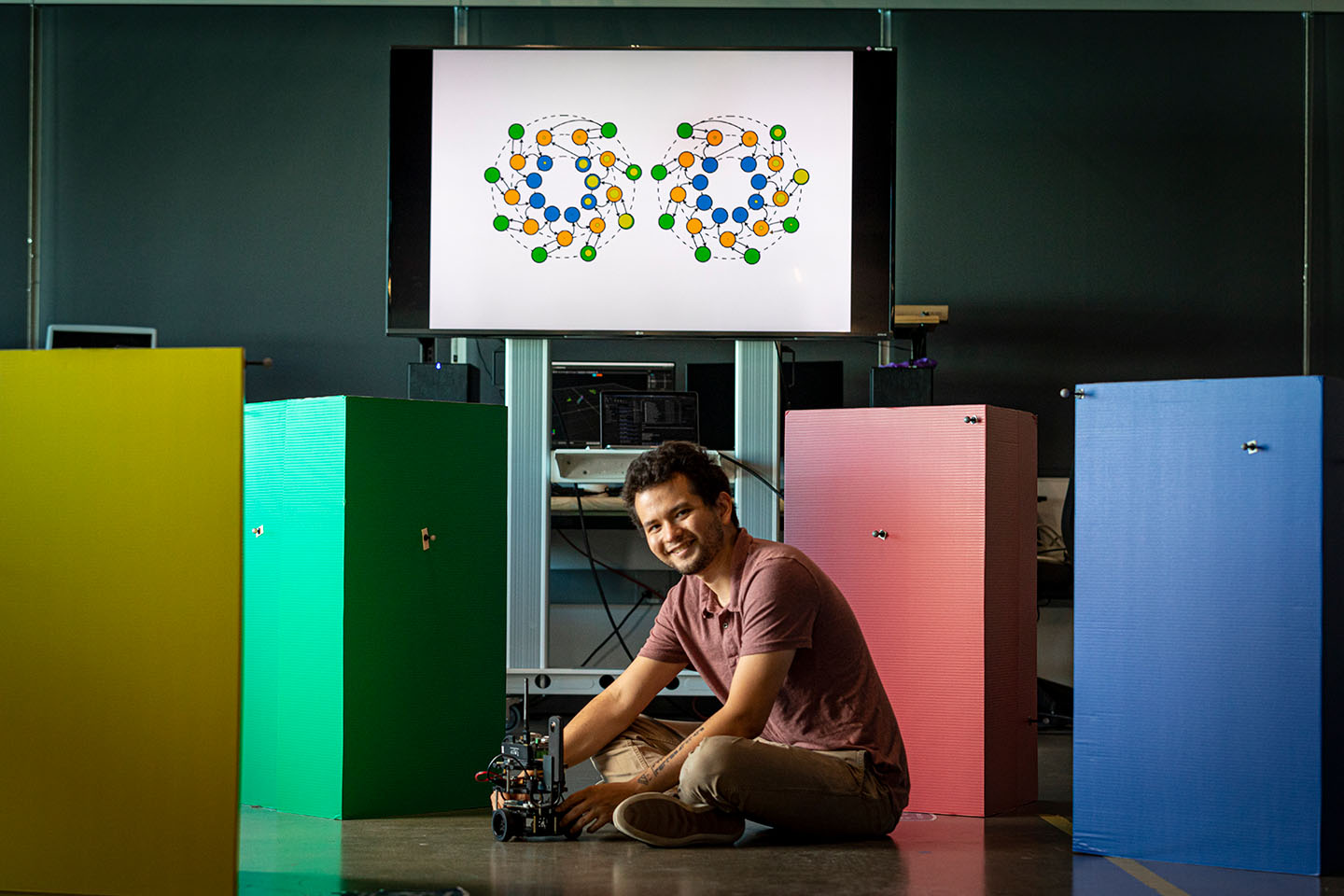
Neuroscience-Inspired Artificial Intelligence
Developing next-generation algorithms and computing substrates that leverage neurobiology to revolutionize intelligent systems
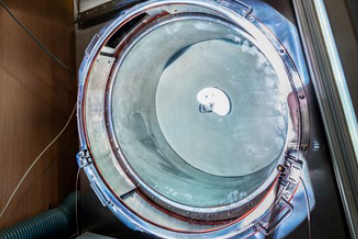
Biological Threat Analysis
APL is developing innovative ways to evaluate biological threats in a natural environment.
Related News

News
Sep 16, 2026
Fieldable Quantum Sensors Could Revolutionize Warfighter Safety
Johns Hopkins APL scientists are developing a portable quantum sensing platform using nuclear magnetic resonance spectroscopy that has potential to enable warfighters and others working in contested environments to identify chemical and biological threats before they inflict damage.
Press Release
Sep 15, 2026
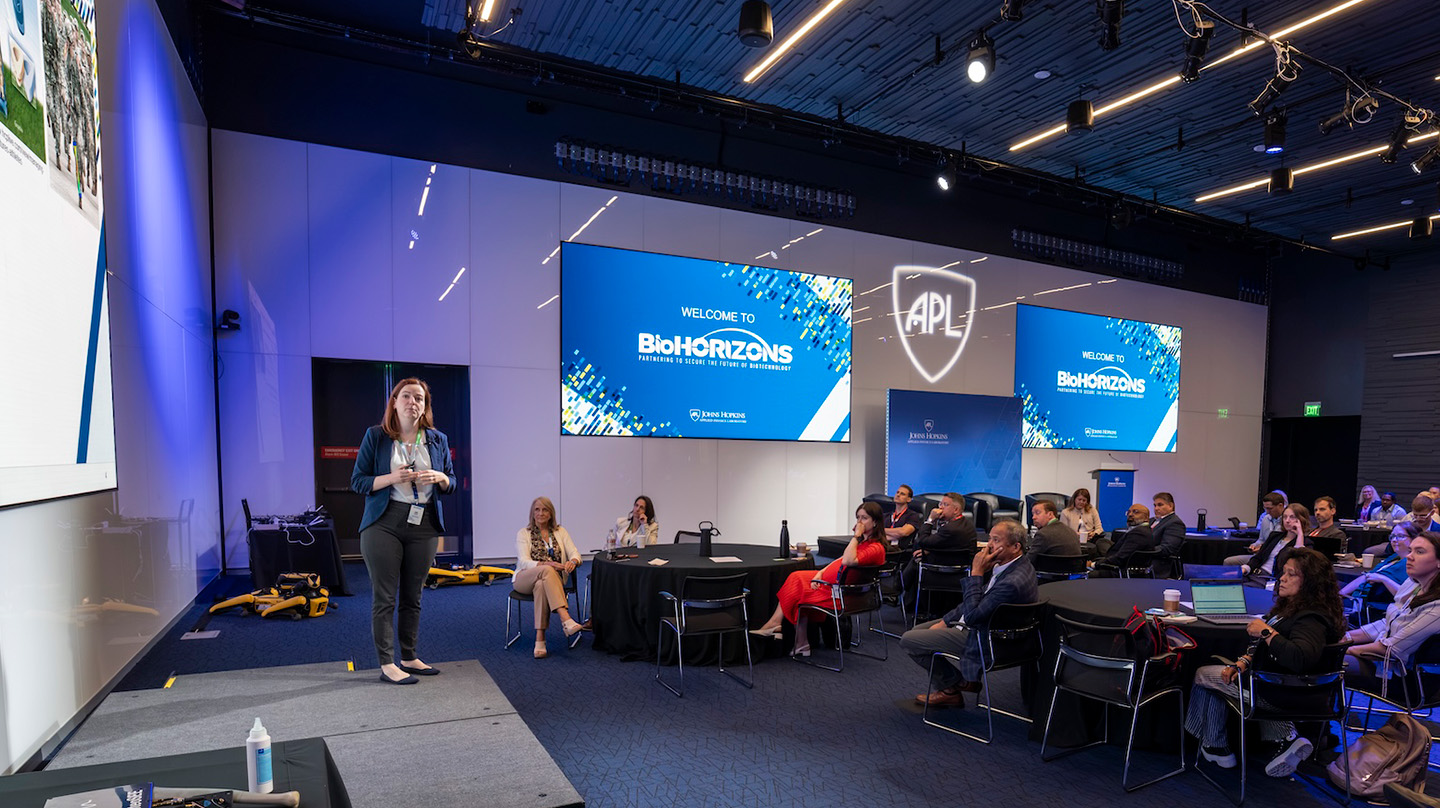
Johns Hopkins APL Hosts Government and Industry Leaders to Discuss Urgent Biodefense Issues
The BioHorizons conference convened experts from across the biotechnology industry to explore how to keep the U.S. at the forefront of biotechnology research and development and how to best transition critical capabilities from the lab to the field.
News
Aug 17, 2026
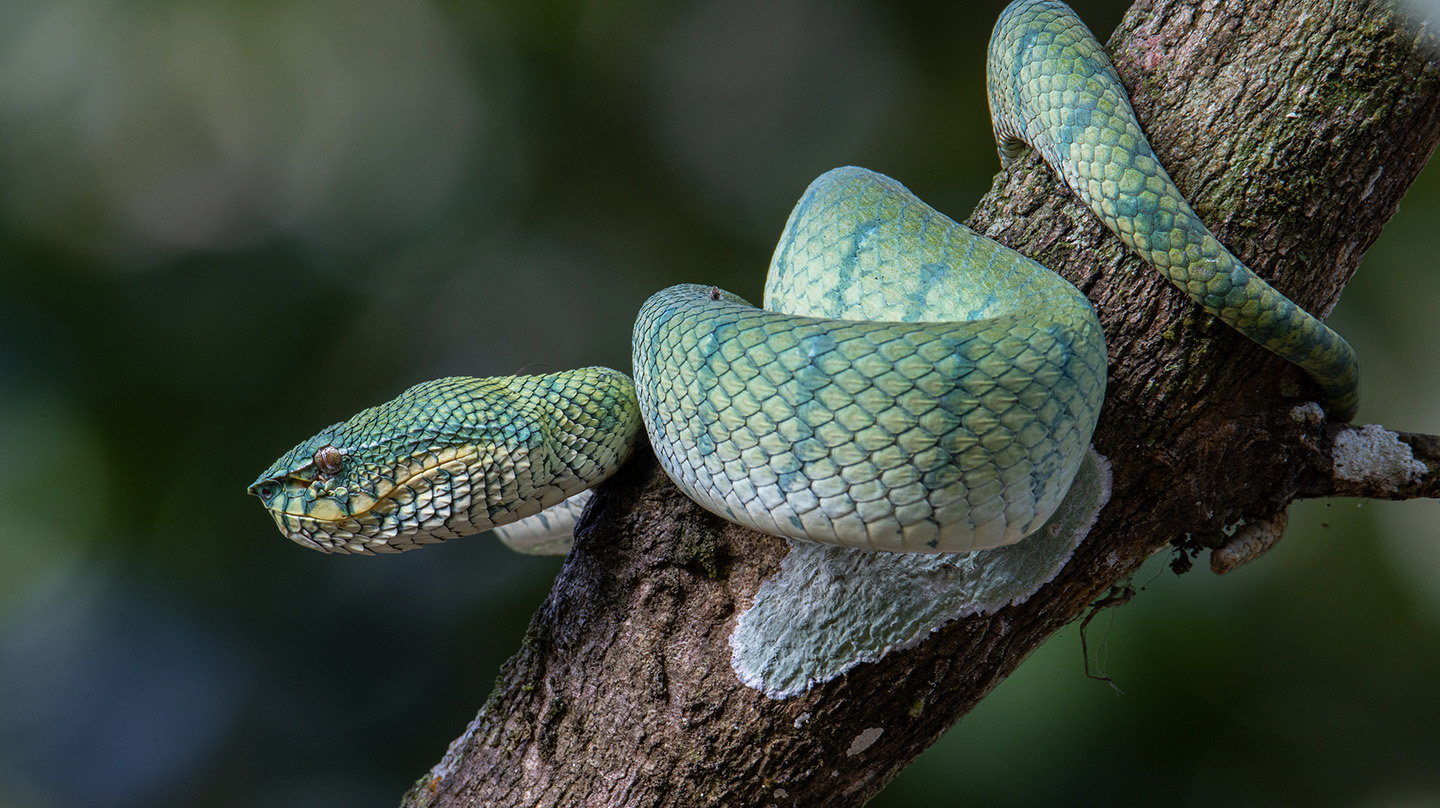
Johns Hopkins APL Harnesses Snake Heat-Sensing Proteins for Next-Generation Sensors
APL researchers are developing biologically driven thermal sensors that could operate without conventional electrical power.
News
May 7, 2026
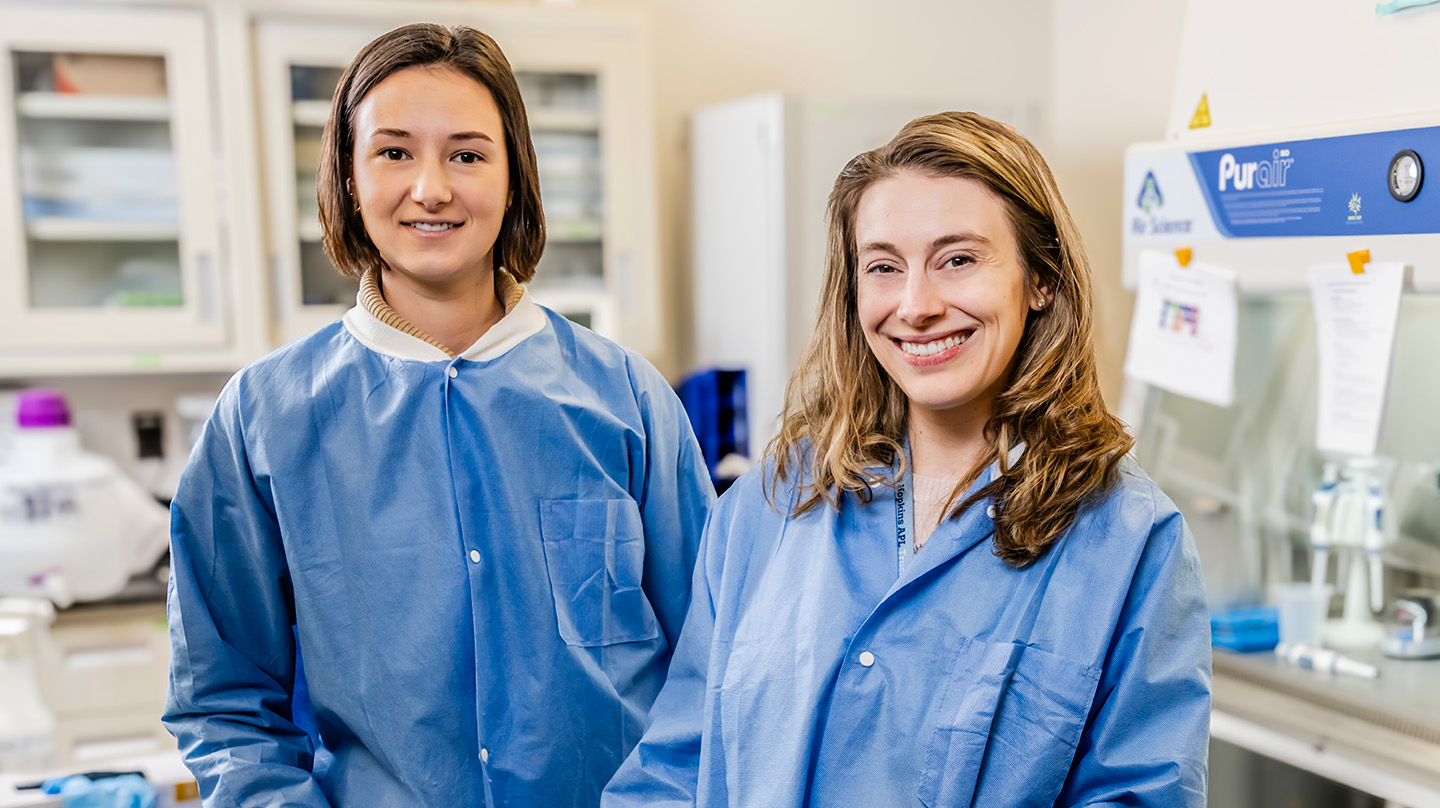
A Pint of Hope: Developing a Shelf-Stable Blood Substitute
Johns Hopkins APL researchers are investigating the viability and scalability of shelf-stable, freeze-dried red blood cells. With far-reaching implications for trauma care in remote or austere environments — a critical need for the nation’s warfighters — this effort opens the door to safe and effective blood transfusions anywhere, anytime, and with minimal supplies.

News
Mar 2, 2026
Researchers Engineer Cold-Tolerant Proteins to Give U.S. an Arctic Edge
Researchers at Johns Hopkins APL, inspired by biomolecules found in cold-tolerant organisms, are developing novel materials that can control ice formation. Their breakthroughs could lead to new technologies for the U.S. military, from advanced materials for construction to medical treatments that can prevent frostbite and preserve sensitive biological samples.